

Have you ever wanted to enjoy fresh, crisp greens right from your garden? Lamb’s lettuce, with its tender leaves and mild flavor, is a fantastic choice for home gardeners. It’s not only easy to grow but also a delicious addition to salads and sandwiches.
Key Takeaways
- Nutritional Benefits: Lamb’s lettuce is rich in vitamins A and C, folate, and iron, contributing to a healthy diet and offering numerous health advantages.
- Ideal Growing Conditions: Choose a sunny location with at least six hours of direct sunlight daily and ensure well-drained, nutrient-rich soil with a pH between 6.0 and 7.0 for optimal growth.
- Sowing and Maintenance: Sow seeds from early spring to early fall, keeping them 1 inch apart, and maintain regular watering (about 1 inch per week) while mulching to retain moisture and suppress weeds.
- Harvesting Tips: Harvest lamb’s lettuce 6 to 8 weeks after sowing, ideally when leaves are 4 to 6 inches long; use scissors for a clean cut, and consider morning harvesting for the best flavor.
- Versatile Culinary Uses: Incorporate lamb’s lettuce in salads, sandwiches, or smoothies to enjoy its mild flavor and nutritional benefits in a variety of dishes.
- Pest Management: Stay vigilant for common pests such as aphids and slugs, utilizing organic solutions to maintain healthy plants throughout the growing season.
Understanding Lamb’s Lettuce
Lamb’s lettuce, also known as corn salad or mache, offers several nutritional advantages and culinary possibilities. Its tender leaves provide a unique addition to your garden and kitchen.
Nutritional Benefits
Lamb’s lettuce contains essential vitamins and minerals. Each serving is rich in:
- Vitamin A: Supports vision and immune function.
- Vitamin C: Promotes skin health and boosts immunity.
- Folate: Aids in cell division and is crucial during pregnancy.
- Iron: Essential for transporting oxygen in the blood.
Eating lamb’s lettuce contributes to a balanced diet. Just 100 grams provides about 1.5 grams of protein, making it a solid option for a light meal or snack.
Culinary Uses
Lamb’s lettuce enhances various dishes with its mild flavor. You can:
- Use it in salads: Combine with ingredients like tomatoes, cucumbers, and dressing for a refreshing salad.
- Add it to sandwiches: Substitute lamb’s lettuce for traditional lettuce in wraps or sandwiches for extra texture.
- Incorporate it into smoothies: Blend it with fruits and yogurt for a nutritious green smoothie.
Experiment with lamb’s lettuce in different dishes to discover its versatility. Its delicate leaves pair well with a variety of flavors, making it a popular choice in gourmet kitchens.
Preparing to Grow Lamb’s Lettuce
Growing lamb’s lettuce starts with the right preparation. Taking a few steps now leads to a healthy, plentiful harvest.
Recommended Products

PROFESSIONAL-GRADE ACCURACY: Engineered specifically for soil pH testing, delivering results quickly (in about 60 seconds). With a 3rd Generation, 3-pad ph tester strips design, our soil ph test kit ensures consistent, repeatable results for all your lawn, landscape and garden needs.

When you shop with Carolina, you're not alone! All of our products are backed by unparalleled technical support, available from 8:00am to 6:00pm, ET, Monday through Friday. Live chat is available from 8am to 5:30pm ET, Monday-Friday. Contact information (Live Chat, email, and phone) is provided after placing your order at Amazon.
Choosing the Right Location
Select a sunny spot for planting lamb’s lettuce. It thrives best with at least six hours of direct sunlight each day. Avoid shaded areas, as they can hinder growth and reduce leaf quality. You can plant in a garden bed or containers on a patio. Ensure good air circulation to reduce disease risks.
Soil Requirements
Lamb’s lettuce prefers well-drained soil rich in organic matter. Aim for a pH level between 6.0 and 7.0. Incorporate compost or well-rotted manure to improve soil fertility. This enriches the soil and promotes healthy growth. Avoid compacted or heavy clay soils, as they retain too much moisture, which can lead to root rot. Consider adding peat moss or perlite to enhance drainage if necessary.
Growing Lamb’s Lettuce
Growing lamb’s lettuce is straightforward, making it an ideal option for garden enthusiasts. This leafy green thrives in cool weather and offers a nutritious addition to your meals.
Recommended Products

Complete Lettuce Garden Starter Kit Indoor – 5 heirloom salad and green seed packets, 8 biodegradable soil disks, 8 plant markers, and 8 starter pots. Romaine, Spinach, Arugula, Kale and Buttercrunch lettuce heirloom seeds are the star of the set!

These miniature salad greens have been popular in central and northern Europe for centuries, and was first popularized by Henry XIV during the 1590's. The dark green leaves are delightfully minty-sweet and productive. Best if grown during cool weather. Fairly cold-tolerant. 45 Days
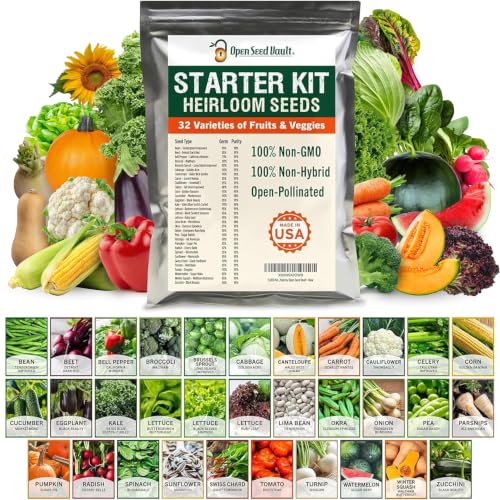
COMPLETE VEGETABLE GARDEN VARIETY PACK – Grow a thriving home garden with 32 popular vegetable seeds including Bean, Beet, Bell Pepper, Broccoli, Brussels Sprout, Cabbage, Cantaloupe, Carrot, Cauliflower, Celery, Corn, Cucumber, Eggplant, Kale, Lettuce (3 types), Lima Bean, Okra, Onion, Pea, Parsnip, Pumpkin, Radish, Spinach, Sunflower, Swiss Chard, Tomato, Turnip, Watermelon, Zucchini. A diverse mix perfect for fresh meals, backyard gardens, and sustainable growing.
Sowing Seeds
Sow lamb’s lettuce seeds directly in your garden or containers, preferably from early spring to early fall. Space seeds about 1 inch apart, covering them with a thin layer of soil. If you’re using rows, maintain a distance of 12 inches between rows to facilitate growth and access. Germination takes about 7 to 14 days under optimal conditions. For continuous harvest, sow seeds every two weeks.
Watering and Maintenance
Water lamb’s lettuce regularly, ensuring soil stays moist but not soggy. Aim for about 1 inch of water per week, adjusting based on rainfall and temperature. Mulch around the plants to retain moisture and suppress weeds. Thin seedlings to improve air circulation, keeping the healthiest plants while removing weaker ones. Watch for pests, such as aphids or slugs, and use organic remedies to keep your plants healthy. Fertilize sparingly, as lamb’s lettuce prefers nutrient-rich but not overly fertilized soil.
Harvesting Lamb’s Lettuce
Harvesting lamb’s lettuce is simple and rewarding. Knowing the right time and method ensures you’ll enjoy fresh, tender leaves.
Recommended Products
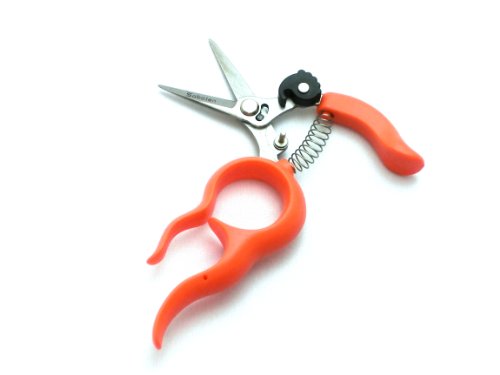
[Caution] Picture shown is 1318S.

Chop Salad in the Bowl: These salad chopper scissors turn a bowl of lettuce and toppings into a finely chopped salad. The salad cutter tool has a curved anti-splash head and needs no chopping board

Total length: 6.1 inches (155 mm)
When to Harvest
You can harvest lamb’s lettuce about 6 to 8 weeks after sowing seeds. Leaves reach optimal size when they are around 4 to 6 inches long. Check for a healthy green color and firm texture, as these indicate readiness. If you notice flowering, harvest immediately. Flowering can make the leaves bitter.
How to Harvest
To harvest, use scissors or garden snips for a clean cut. Cut the outer leaves about 1 inch above the soil line, allowing inner leaves to continue growing. Harvesting in the morning yields the freshest flavor. You can also choose to pull the entire plant if you prefer to have a larger harvest at once. Always wash harvested leaves under running water to remove dirt and pests before using them in your meals. For continuous harvesting, leave at least 2 inches of the plant intact. This encourages regrowth and lets you enjoy multiple harvests throughout the season.
Conclusion
Growing lamb’s lettuce can be a rewarding experience that brings fresh flavors to your table. With its easy cultivation and nutritional benefits it’s a great addition to any garden. By following the simple steps for planting watering and harvesting you’ll enjoy a bountiful supply of tender leaves throughout the season.
Don’t forget to experiment with different recipes to make the most of your harvest. Whether you toss it in salads or blend it into smoothies lamb’s lettuce is sure to elevate your meals. Happy gardening and enjoy your delicious homegrown greens!
Frequently Asked Questions
What is lamb’s lettuce and why should I grow it?
Lamb’s lettuce, also known as mache, is a tender green leafy vegetable with a mild flavor. It’s easy to grow in home gardens and is great for adding to salads, sandwiches, and smoothies. Its nutritional benefits include essential vitamins and minerals like Vitamin A, Vitamin C, folate, and iron, making it a healthy choice for a balanced diet.
How do I prepare my garden for growing lamb’s lettuce?
Choose a location that gets at least six hours of direct sunlight daily. Ensure the soil is well-drained and rich in organic matter, with a pH level between 6.0 and 7.0. You can enhance soil fertility by incorporating compost or well-rotted manure, and avoid heavy clay soils to prevent root rot.
When is the best time to sow lamb’s lettuce seeds?
The best time to sow lamb’s lettuce seeds is from early spring to early fall. You can plant seeds directly in the garden or containers, spacing them about 1 inch apart and maintaining 12 inches between rows for optimal growth. For a continuous harvest, sow seeds every two weeks.
How often should I water lamb’s lettuce?
Lamb’s lettuce requires about 1 inch of water per week to keep the soil moist, but not soggy. Regular watering helps maintain healthy growth. Mulching can help retain moisture and suppress weeds.
When and how do I harvest lamb’s lettuce?
You can harvest lamb’s lettuce about 6 to 8 weeks after sowing, when the leaves are 4 to 6 inches long. Use scissors or garden snips to cut the outer leaves about 1 inch above the soil line. Harvesting in the morning enhances flavor, and make sure to wash the leaves before use.
Can lamb’s lettuce be grown in containers?
Yes, lamb’s lettuce can be successfully grown in containers. Ensure the container has good drainage and use rich, well-drained soil. Follow the same planting and care instructions as you would in a garden, maintaining adequate sunlight and moisture for optimal growth.
