

Have you ever wanted to enjoy fresh, crisp lettuce right from your garden? Growing heads of lettuce isn’t just rewarding; it’s also easier than you might think. Whether you’re a seasoned gardener or just starting out, lettuce is a fantastic choice for your home garden.
Key Takeaways
- Understand Lettuce Varieties: Familiarize yourself with different types of lettuce—Butterhead, Romaine, Iceberg, and Looseleaf—to choose the best for your garden and climate.
- Prepare Your Garden: Ensure nutrient-rich, well-draining soil with a pH between 6.0 and 7.0, and position your plants to receive at least six hours of direct sunlight daily for optimal growth.
- Select Quality Seeds: Choose lettuce seeds that suit your local climate and have high germination rates for better success. Consider organic seeds for sustainable gardening.
- Watering and Care: Maintain consistent soil moisture of 1 to 1.5 inches of water weekly, and regularly check for pests and diseases to ensure healthy plant growth.
- Harvest at the Right Time: Harvest heads of lettuce when they reach full size and feel firm, using sharp tools to cut at the base to prevent damage to neighboring plants.
- Proper Storage: Store harvested lettuce in perforated bags in the refrigerator at around 32°F (0°C) to maintain crispness and prolong freshness.
Understanding Lettuce Varieties
Knowing the different types of lettuce helps you select the best option for your garden. Lettuce comes in several varieties, each with unique flavors, textures, and growth requirements. Understanding these will ensure a bountiful harvest.
Types of Lettuce
- Butterhead: Soft and tender leaves, butterhead lettuce has a sweet flavor. Varieties like Boston and Bibb are popular choices, thriving in cooler temperatures.
- Romaine: Known for its sturdy leaves and crisp texture, romaine is ideal for salads and wraps. Varieties such as Hearts of Romaine grow tall and provide a crunchy bite.
- Iceberg: This variety features dense, round heads with a mild flavor. Iceberg lettuce prefers cooler weather and is a staple in many salads.
- Looseleaf: This type has loose, curling leaves that come in various colors. Popular varieties include Green Leaf and Red Leaf. Looseleaf grows quickly and is easy to harvest.
- Seasonal Varieties: Some lettuce, like Batavia and Mâche, thrive in specific seasons. They offer unique flavors and textures, enhancing your garden diversity.
Choosing the Right Variety for Your Garden
Selecting the right lettuce variety depends on several factors:
- Climate: Determine your growing zone. For cooler climates, choose butterhead or romaine. Warmer areas can support iceberg or looseleaf.
- Growing Space: If space is limited, opt for looseleaf varieties. They grow quickly and can be harvested multiple times.
- Usage: Consider how you’ll use the lettuce. Plan your selection based on salad types and preferred dishes.
- Time: Assess the time to maturity for each variety. Quick-growing types like looseleaf offer fast yields, while others may take longer.
By understanding the key lettuce types and making informed choices, you maximize your success in growing fresh, delicious lettuce in your garden.
Preparing Your Garden
Preparing your garden for growing heads of lettuce involves ensuring optimal conditions for healthy plant growth. Focus on soil quality, sunlight, and spacing to achieve the best results.
Recommended Products

Quick, at home results for Soil pH, Nitrogen, Phosphorous and Potash Innovative and inexpensive soil test kit features an easy-to-use capsule system and patented color comparators

Accurate Soil pH Testing: Dewildetradingco Soil pH Test Strips offer measurements of soil pH levels (pH 3.5-9). As an essential tool for every gardener and grower, these test strips help determine the optimal pH for various plants, such as outdoor plants, indoor plants, gardens, grass lawns, fruit trees, flowers, vegetables, and forest shrubs.

Kindly NOTE: This soil tester can not be applied to test pH value of any other liquid. If the soil is too dry the indicator will not move, and water it before testing.
Soil Requirements
Select nutrient-rich, well-draining soil for growing lettuce. Aim for a pH level between 6.0 and 7.0. To enhance soil quality, consider mixing in organic matter, such as compost or well-rotted manure. This addition boosts nutrients and improves drainage. Prior to planting, conduct a soil test to identify any deficiencies, allowing for timely amendments.
Sunlight and Spacing
Position your lettuce in a spot that receives at least six hours of direct sunlight daily. Proper placement promotes healthy growth and vibrant flavors. For spacing, plant lettuce seeds or seedlings 10 to 12 inches apart, depending on the variety. If growing looseleaf lettuce, you can plant them closer together. Proper spacing allows for air circulation, reducing the risk of diseases and ensuring each plant has enough room to thrive.
Planting Lettuce
Planting lettuce involves selecting the right seeds and using effective techniques to ensure a successful crop. Follow these guidelines to grow healthy heads of lettuce.
Recommended Products

CONTAINS: This organic Seed Stating soil mix is a rich blend of sphagnum peat moss & perlite with yucca extract and lime to ensure correct pH.

EASIER SEED STARTING: Our Burpee SuperSeed tray with 8 extra-large flexible pop-out cells is designed to simplify indoor seed starting. Just add seed starting mix, seeds, water and light to get growing! Perfectly sized for starting seeds in the windowsill: 11.5" x 5-3/16" x 2-1/4". Rows are labeled alphanumerically for seedling identification with included Plant-o-Gram diagram.

Adjustable Vents: The seed trays have adjustable vents that allow you to regulate the temperature and humidity of your seedling environment for total control over the growing process.
Seed Selection
Select your lettuce seeds based on the variety you desire, such as Butterhead, Romaine, or Looseleaf. Choose seeds that suit your climate. For example, Iceberg grows best in cooler weather, while Looseleaf varieties can thrive in warmer temperatures. Consider seed packets with germination rates above 80% for better chances of success. Also, buy organic seeds to support sustainable practices.
Planting Techniques
Plant seeds directly in the soil or start them indoors for a head start. If planting directly, sow seeds about 1/4 to 1/2 inch deep, spacing them 10 to 12 inches apart. In rows, ensure spacing of 12 to 18 inches between each row for airflow. If starting indoors, use seed trays with quality seed-starting mix, and transplant seedlings once they reach 2 to 4 inches tall. Always keep the soil moist but not soggy, and thin seedlings once they establish two true leaves to prevent overcrowding.
Caring for Your Lettuce
Caring for your lettuce ensures healthy growth and a bountiful harvest. Follow these guidelines for success in your lettuce gardening journey.
Recommended Products
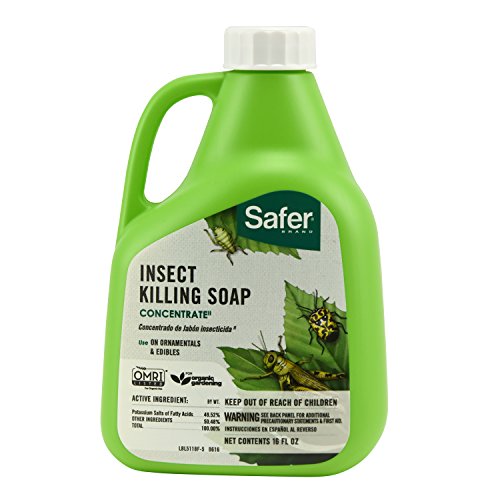
GENTLE ON MOST PLANTS - This aphid spray is ideal for use on flowers, herbs, vegetables, houseplants, lawn, tree, shrubs, and more

EASY TO USE: The ready-to-use indoor bug spray bottle makes application easy

CROP, GARDEN & HOUSEPLANT INSECT CONTROL. Trifecta Crop Control all-natural, plant-based formula effectively combats destructive spider mites, aphids, whiteflies, fungus gnats, and other soft-bodied pests on indoor and outdoor plants. Our biodegradable, eco-friendly solution is safe for use on edible crops, without chemical residues. Our gentle yet potent plant spray suffocates and dehydrates pests without harming beneficial insects or the environment, making it ideal for organic gardening.
Watering Guidelines
Watering plays a vital role in lettuce growth. Keep the soil consistently moist but not soggy. Aim for about 1 to 1.5 inches of water each week, increasing in hot weather. Water in the morning to reduce evaporation and fungal risks. Check the soil by sticking a finger about an inch deep; if it feels dry, it’s time to water. Avoid overhead watering to minimize disease potential.
Pest and Disease Management
Managing pests and diseases protects your lettuce plants. Regularly inspect leaves for common pests like aphids and slugs. If detected, hand-picking or using insecticidal soap can help control infestations. To prevent diseases such as downy mildew, ensure plants have adequate spacing for airflow. Rotate crops yearly to avoid soil-borne diseases. Maintaining a clean garden free of debris is crucial for discouraging pests and pathogens.
Harvesting Heads of Lettuce
Harvesting heads of lettuce requires timing and technique to ensure maximum flavor and freshness. Knowing when and how to harvest encourages healthy yields from your garden.
When to Harvest
Harvest heads of lettuce when they reach full size, which typically ranges from 6 to 12 inches high, depending on the variety. Check the outer leaves for crispness; they should be firm and vibrant. For Butterhead and Romaine varieties, the heads will feel solid when ready. Avoid waiting too long, as overripe lettuce can become bitter or bolt in hot weather.
Proper Harvesting Techniques
Use a sharp knife or garden shears to cut heads at the base. Cut at the soil line to avoid damaging neighboring plants. Handling heads carefully prevents bruising. If you prefer to harvest individual leaves rather than entire heads, start with outer leaves and leave the center for continued growth. This method encourages new growth and allows for multiple harvests.
Store freshly harvested lettuce in perforated plastic bags in the refrigerator to maintain crispness. Keep the temperature around 32°F (0°C) for optimal freshness.
Conclusion
Growing lettuce can be a rewarding experience that adds freshness to your meals. With just a bit of attention to detail and care you can enjoy a bountiful harvest right from your garden. Remember to choose the right variety for your space and climate to set yourself up for success.
As you nurture your lettuce plants keep an eye on their needs and adjust your care routine as necessary. From watering to harvesting there’s plenty of joy in watching your hard work pay off. So grab your gardening tools and get started on your journey to delicious homegrown lettuce. Happy gardening!
Frequently Asked Questions
What are the benefits of growing lettuce at home?
Growing lettuce at home provides fresh, nutritious produce right at your fingertips. It’s easy to cultivate, even for beginners. Enjoying homegrown lettuce can lead to healthier meals, save money on groceries, and enhance your gardening skills.
What types of lettuce can I grow in my garden?
You can grow various types of lettuce, including Butterhead, Romaine, Iceberg, and Looseleaf. Seasonal varieties like Batavia and Mâche also offer unique flavors and textures, adding diversity to your garden.
How do I choose the right lettuce variety for my garden?
Choose the right lettuce variety by considering your climate, available growing space, intended use, and time to maturity. Research each variety’s growth requirements to ensure an abundant harvest.
What soil conditions are best for growing lettuce?
Lettuce thrives in nutrient-rich, well-draining soil with a pH level between 6.0 and 7.0. Mixing in organic matter like compost will further improve soil quality and promote healthy plant growth.
How much sunlight does lettuce need to grow?
Lettuce requires at least six hours of direct sunlight daily to grow well. Ensure your garden location receives adequate sunlight to promote healthy growth and increase your chances of a bountiful harvest.
What is the best way to plant lettuce seeds?
Plant lettuce seeds by direct sowing or starting them indoors. Follow guidelines for planting depth and spacing, and maintain soil moisture consistently. Thinning seedlings is essential to prevent overcrowding and ensure healthy growth.
How often should I water my lettuce?
Water your lettuce consistently, providing 1 to 1.5 inches of water weekly. Adjust this based on weather conditions, and water in the morning to reduce evaporation and limit fungal risks.
How can I manage pests and diseases when growing lettuce?
Regularly inspect your lettuce for common pests and address issues promptly using methods like hand-picking or insecticidal soap. Ensure proper spacing for good airflow and maintain a clean garden environment to help prevent diseases.
When is the best time to harvest lettuce?
Harvest lettuce heads when they reach full size, usually between 6 to 12 inches. Look for crisp outer leaves and use a sharp knife or garden shears to cut at the base, avoiding damage to neighboring plants.
How should I store freshly harvested lettuce?
Store freshly harvested lettuce in perforated plastic bags in the refrigerator at around 32°F (0°C). This helps maintain optimal freshness and prolongs the shelf life of your homegrown greens.
