

Growing Gardenia Cape Jasmine from seed requires careful attention to germination conditions and ongoing care. Start by selecting high-quality seeds and providing the right environment for growth. Following these pro secrets will help you cultivate healthy plants that thrive.
Essential Supplies for Growing Gardenia Seeds
To successfully grow Gardenia Cape Jasmine from seed, having the right supplies is crucial. This section outlines the essential tools and materials needed to create an optimal environment for germination and growth. By preparing adequately, you can set the stage for healthy plants and vibrant blooms.
Before starting your seed-growing journey, gather essential supplies. Having the right tools and materials will streamline the process and enhance your success rate. Here’s what you need:
| Item | Description |
|---|---|
| Seeds | High-quality Gardenia seeds from a reputable source |
| Seed trays | Shallow trays with drainage holes |
| Seed starting mix | Lightweight, well-draining soil mix |
| Humidity dome | Clear cover to maintain moisture |
| Grow lights | Full-spectrum lights for indoor growth |
| Watering can | For gentle watering without disturbing seeds |
Optimal Seed Germination Environment
Creating the right environment for germinating Cape Jasmine seeds is crucial for successful growth. This section delves into the specific conditions needed, including temperature, humidity, and light requirements, to ensure your gardenia seeds thrive and develop into healthy plants. Understanding these factors will set the foundation for a flourishing gardenia garden.
Creating the right environment is crucial for seed germination. Start by filling your seed trays with a seed starting mix. This mix should be light and airy to promote root development.
Moisten the soil: Lightly water the mix before planting seeds. Ensure it is damp but not soggy.
Plant seeds: Place seeds about 1/4 inch deep in the soil. Space them adequately to allow for growth.
Cover with humidity dome: This will help maintain moisture levels, crucial for germination.
Be cautious of overwatering, as it can lead to mold and seed rot.
Recommended Products

Upgraded Design & Adjustable: It is equipped with a transparent dome and an adjustable vent that helps manage moisture and temperature; It also comes with drain holes to prevent overwatering and protect roots

Upgraded with Adjustable Ventilation - Gardzen seed starter tray has been newly upgraded with two air vents added to the top, allowing you to easily adjust the ventilation for optimal seed growth. Say goodbye to stagnant air and hello to thriving plants!
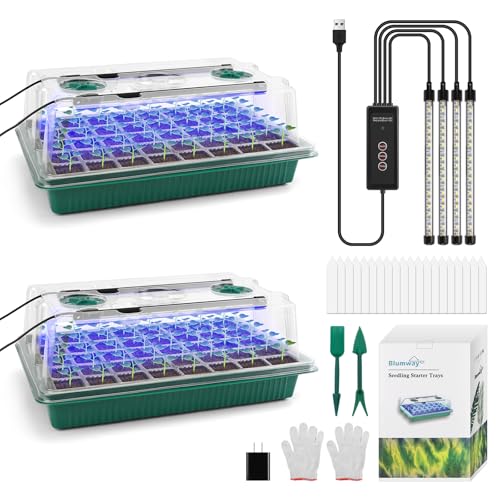
【360°Spectrum Seed Starter Tray with Grow Light】 The Larger 360°full-spectrum plant grow light in our seed start tray promotes healthier roots, faster germination, stronger seedlings. Seed starter kit with 4 full spectrum strip, mounted on the dome of garden plant starter kit. White & blue grow light helps seedlings grow faster and healthier. 3 lighting modes, 3 timer settings (3H/6H/12H), 5 brightness modes fully adjustable to your plants' needs. Your journey from seed to harvest starts here!
Essential Steps for Growing Gardenia Seeds
Growing Gardenia Cape Jasmine from seed can be a rewarding endeavor, but it requires careful attention to specific steps to ensure success. Understanding the essential processes involved in germination and nurturing these delicate plants will set you on the path to cultivating beautiful, fragrant blooms in your garden. Here are the key steps to take for optimal growth.
Successfully growing Gardenia Cape Jasmine from seed involves several critical steps. Follow this guide to ensure healthy growth.
Provide warmth: Keep the trays in a warm area, ideally between 70-75°F. Use a heat mat if necessary.
Monitor moisture: Check daily for moisture. Remove the humidity dome once seedlings emerge to prevent damping-off disease.
Use grow lights: If growing indoors, position grow lights about 6 inches above seedlings. Provide 12-16 hours of light daily.
Thin seedlings: Once seedlings develop their first true leaves, thin them to prevent overcrowding. Keep the strongest plants.
Seedling Transplanting Techniques for Gardenias
Transplanting seedlings is a critical step in successfully growing Gardenia Cape Jasmine from seed. Proper techniques ensure that the delicate young plants establish strong roots and thrive in their new environment. This section will provide essential tips and methods to help you navigate the transplanting process with confidence.
Transplanting is a crucial step in the growth process. When seedlings are about 3-4 inches tall, it’s time to move them to larger pots.
Select pots: Choose pots that are at least 4-6 inches in diameter. Ensure they have drainage holes.
Prepare potting mix: Use a high-quality potting mix that retains moisture but drains well.
Transplant carefully: Gently remove seedlings from their trays, taking care not to damage roots. Place them in the new pots and fill with potting mix.
Water thoroughly: After transplanting, water the seedlings well to help settle the soil.
Gardenia Cape Jasmine Fertilization Techniques
Fertilizing Gardenia Cape Jasmine is crucial for promoting healthy growth and vibrant blooms. Understanding the specific nutritional needs of these plants will help you choose the right fertilizers and application methods. This section delves into effective fertilization techniques to ensure your gardenias thrive throughout their growing season.
Once your Gardenia Cape Jasmine plants are established, proper care is essential for their growth.
Fertilize regularly: Use a balanced, slow-release fertilizer every 4-6 weeks during the growing season.
Monitor pH levels: Gardenias prefer slightly acidic soil (pH 5.0-6.0). Test soil regularly and amend as needed.
Prune for shape: Prune plants to maintain shape and encourage bushy growth. Remove any dead or yellowing leaves.
Avoid over-fertilizing, as this can lead to leaf burn and poor plant health.
Troubleshooting Gardenia Seed Growth Issues
Growing Gardenia Cape Jasmine from seed can be rewarding, but it’s not without its challenges. This section addresses common issues that may arise during the germination and growth phases, offering practical solutions to help ensure your gardenias thrive. Understanding these potential pitfalls will enhance your success in cultivating these fragrant beauties.
Growing Gardenia Cape Jasmine from seed can present challenges. Understanding common issues helps you troubleshoot effectively.
| Challenge | Symptoms | Solutions |
|---|---|---|
| Damping-off | Seedlings collapse and die | Ensure good air circulation and avoid overwatering |
| Leaf yellowing | Nutrient deficiency or overwatering | Test soil pH and adjust watering schedule |
| Poor flowering | Lack of blooms despite healthy foliage | Ensure adequate light and proper fertilization |
By addressing these challenges promptly, you can maintain healthy plants that produce beautiful blooms.
Monitoring Growth for Flourishing Gardenias
Monitoring the growth of Gardenia Cape Jasmine is crucial for ensuring healthy plants and abundant blooms. By keeping a close eye on their development, you can identify any potential issues early and make necessary adjustments to your care routine. This section provides essential tips for tracking their progress and fostering a thriving gardenia garden.
After transplanting and caring for your Gardenia Cape Jasmine, patience is key. Monitor growth and adjust care as needed. With the right conditions, your plants will flourish and reward you with fragrant flowers.
