

Growing tomatoes successfully requires attention to detail and knowledge of best practices. By selecting the right varieties, providing optimal nutrients, and maintaining proper watering techniques, you can achieve a bountiful harvest. This guide outlines essential secrets for cultivating healthy tomatoes.
Choose the Right Tomato Varieties
Selecting the right tomato varieties is crucial for a successful harvest. With countless options available, understanding the differences in growth habits, flavors, and uses can significantly impact your gardening experience. This section will guide you through the best choices tailored to your climate and culinary preferences, ensuring you cultivate the perfect tomatoes for your needs.
Selecting the appropriate tomato varieties is crucial for success. Different types thrive in various climates and conditions. Consider factors such as growth habit, disease resistance, and flavor profile.
Popular varieties include:
Roma: Ideal for sauces and pastes.
Cherry: Great for snacking and salads.
Beefsteak: Perfect for sandwiches with large, juicy fruits.
| Variety | Growth Habit | Days to Maturity | Best Use |
|---|---|---|---|
| Roma | Determinate | 75-80 | Sauces and pastes |
| Cherry | Indeterminate | 60-70 | Snacking and salads |
| Beefsteak | Indeterminate | 80-90 | Sandwiches |
Soil pH Testing for Tomato Cultivation
Understanding soil pH is crucial for successful tomato cultivation, as it directly affects nutrient availability and plant health. This section will guide you through the process of testing your soil’s pH levels, ensuring that your tomatoes thrive in optimal conditions. With the right pH, you can enhance growth and maximize your harvest.
Healthy soil is the foundation for thriving tomatoes. Begin by testing the soil pH.
Tomatoes prefer a pH range of 6.0 to 6.8. Amend the soil with organic matter to enhance fertility.
Steps to prepare your soil:
Test the soil pH using a home kit.
Amend with compost or well-rotted manure.
Tillage to a depth of 12 inches to aerate.
Optimal Watering Strategies for Tomato Growth
Watering is a crucial factor in cultivating healthy tomato plants, as it directly impacts their growth and fruit production. Understanding the optimal watering strategies can help ensure your tomatoes thrive, preventing issues like blossom end rot and root rot. This section will explore effective techniques to keep your plants hydrated and flourishing throughout the growing season.
Watering tomatoes correctly is vital for fruit development. Inconsistent watering can lead to issues like blossom end rot. Aim for deep, infrequent watering to encourage strong root systems.
Best practices for watering include:
Water at the base of the plant to avoid wetting the foliage.
Check soil moisture by inserting your finger about an inch deep.
Mulch around plants to retain moisture and suppress weeds.
Recommended Products

Trusted Since 2015: Become one of the many plant lovers who rely on the proven accuracy of XLUX. Established in 2015, our soil moisture meter has earned over 60,000+ verified ratings for its consistent performance. While many many newer brands come and go, we provide the long-term reliability and quality that American households have trusted for over a decade.

Accurate Soil Moisture Detection: The XLUX Soil Moisture Meter can tell you if the soil deep inside your pot or garden is dry, moist or wet; whereas your eyes and fingers can only determine the moisture level of the soil surface. The probe is 5.5 inches (14 cm) longer than regular styles, allowing it to measure the soil moisture at the bottom of larger and deeper flower pots.
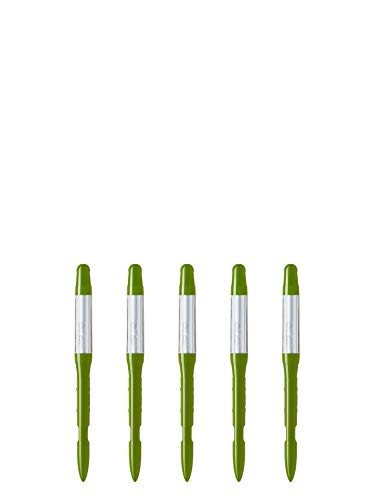
Dimensions: 0.4 x 0.3 x 4.7 inches (small) - Intended for pot sizes of 2, 2.5, and 3 - Ideal for small succulents
Optimal Fertilizer Choices for Tomato Growth
Selecting the right fertilizer is crucial for achieving robust tomato plants and maximizing fruit yield. Understanding the nutritional needs of tomatoes at different growth stages can significantly enhance their development. This section delves into the best fertilizer options to ensure your tomatoes thrive throughout the growing season.
Fertilization plays a key role in tomato growth. Choose a balanced fertilizer with a higher phosphorus content to promote flowering and fruiting.
Recommended fertilization schedule:
At planting: Use a slow-release fertilizer.
Mid-season: Apply a liquid fertilizer every 4-6 weeks.
| Fertilizer Type | N-P-K Ratio | Application Frequency |
|---|---|---|
| Slow-release | 10-10-10 | At planting |
| Liquid | 5-10-5 | Every 4-6 weeks |
Effective Pest and Disease Management for Tomatoes
Managing pests and diseases is crucial for a successful tomato crop. By understanding the common threats that can impact your plants, you can implement effective strategies to protect them. This section will outline proven techniques for keeping your tomatoes healthy and thriving throughout the growing season.
Tomatoes are susceptible to various pests and diseases. Regular monitoring and preventive measures are essential to maintain plant health.
Common pests include:
Aphids: Small insects that suck sap.
Whiteflies: Can cause yellowing of leaves.
Hornworms: Large caterpillars that consume foliage.
To manage these issues:
Inspect plants weekly for signs of infestation.
Apply insecticidal soap or neem oil as needed.
Rotate crops annually to prevent soil-borne diseases.
Recommended Products
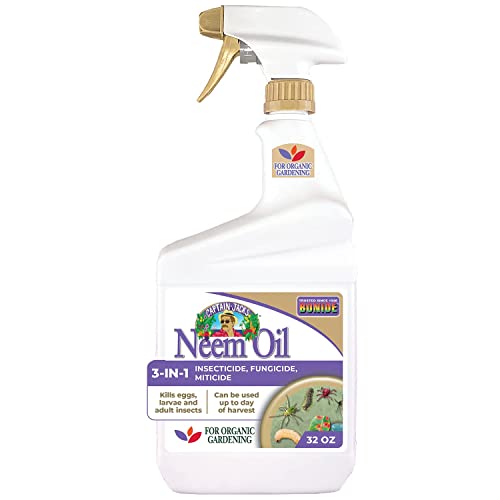
Protect your oasis with 3 garden products in 1 from Captain Jack’s; Bonide Captain Jack’s Ready-to-Use Neem Oil spray for plants is a multi-purpose fungicide, insecticide and miticide for your lawn & garden

FUNGAL DISEASE CONTROL: Prevents and controls black spot on roses, powdery mildew, rust, downy mildew, and other listed fungal diseases when applied on a 7–14 day schedule

PLANT DISEASE CONTROL: Natria Neem Oil acts as an insecticide and fungicide in one convenient spray; Ready-to-use trigger sprayer requires no mixing
Tomato Plant Support Techniques for Growth
Providing adequate support for tomato plants is essential for their growth and productivity. Proper techniques not only help the plants thrive but also ensure healthier fruit development and easier maintenance. This section explores effective methods for supporting your tomato plants, enabling you to maximize your harvest and enjoy a bountiful crop.
Providing support for tomato plants is crucial, especially for indeterminate varieties. Staking or caging helps maintain airflow and reduces disease risk.
Effective support methods include:
Stakes: Use 6-8 foot stakes for taller plants.
Cages: Wire cages can provide sturdy support.
Trellises: Ideal for space-saving vertical gardening.
Optimal Tomato Harvest Timing
Timing is crucial for a successful tomato harvest, as picking too early or too late can significantly affect flavor and texture. Understanding the signs of ripeness and the ideal conditions for harvesting will ensure you enjoy the best possible taste from your homegrown tomatoes. This section will guide you through the optimal timing for harvesting your tomatoes.
Timing your harvest is essential for flavor and quality. Tomatoes should be harvested when they are fully colored and slightly firm to the touch.
Key indicators for harvest readiness:
Color: Uniform color without green patches.
Firmness: Slight give when gently squeezed.
Ease of detachment: Should come off the vine easily.
Harvesting too late can lead to overripening and spoilage.
Optimal Conditions for Tomato Growth
Creating the ideal environment for tomato plants is crucial for achieving a bountiful harvest. Understanding the specific conditions that promote healthy growth, such as soil quality, sunlight exposure, and temperature, can significantly enhance your gardening success. This section will delve into the optimal factors that contribute to thriving tomato plants.
Environmental factors significantly impact tomato growth. Temperature, sunlight, and humidity levels should be monitored regularly.
Ideal conditions for tomatoes:
Temperature: 70-85°F during the day, 55-70°F at night.
Sunlight: At least 6-8 hours of direct sunlight daily.
Humidity: Moderate levels to prevent fungal diseases.
By following these guidelines, you can cultivate healthy tomatoes that produce a flavorful and abundant harvest.
