

Have you ever thought about growing your own endive lettuce but didn’t know where to start? You’re not alone. Many home gardeners find themselves puzzled by this leafy green, unsure of the best techniques to cultivate it successfully.
Key Takeaways
- Ideal Growing Conditions: Endive lettuce thrives in cool temperatures (60°F to 70°F) and well-drained, nutrient-rich soil with a pH of 6.0 to 7.0, requiring at least six hours of sunlight daily.
- Planting Techniques: Sow seeds ¼ to ½ inch deep or start indoors 6-8 weeks before the last frost. Proper spacing is essential for optimal growth, with 10 to 12 inches between each plant.
- Consistent Watering: Maintain soil moisture with 1 to 1.5 inches of water per week, using mulching to retain moisture and reduce weeds while minimizing leaf wetness to prevent diseases.
- Pest Management: Monitor for pests like aphids and slugs, using organic methods such as neem oil and introducing beneficial insects like ladybugs to control infestations.
- Harvest Timing: Harvest curly endive when young and tender (70-80 days post-sowing) and Belgian endive when heads are firm (100-120 days). Morning harvesting ensures crisp leaves.
- Post-Harvest Care: Clean endive thoroughly and store it in a damp paper towel within a plastic bag in the refrigerator for freshness, aiming to consume it within a week.
Overview Of Endive Lettuce
Endive lettuce, scientifically known as Cichorium endivia, belongs to the chicory family. This leafy green features a distinctive bitter flavor, making it a popular choice in salads and gourmet dishes. Varieties include curly endive, with frilly leaves, and Belgian endive, known for its tubular shape.
Growing endive requires specific conditions. It thrives best in temperate climates. Ideally, you grow it in cool weather, between 60°F and 70°F. Choose well-drained, nutrient-rich soil with a pH ranging from 6.0 to 7.0.
Endive lettuce enjoys full sunlight but can tolerate partial shade. Ensure it gets at least six hours of direct light daily.
You can sow endive seeds indoors or directly in the garden. If starting indoors, plant seeds 8-10 weeks before the last frost. When sowing outdoors, space seeds about 4-6 inches apart. Thin seedlings to ensure proper growth.
Water endive consistently, aiming for about 1 inch per week. Mulching helps retain moisture and keeps weeds at bay. Fertilize lightly every few weeks with a balanced fertilizer to promote healthy growth.
Pests can be a concern. Watch for aphids, slugs, and whiteflies. Use organic pesticides or introduce beneficial insects like ladybugs to manage these pests.
With patience and care, you can enjoy a flavorful crop of endive lettuce.
Ideal Growing Conditions
To grow endive lettuce successfully, ensure you create the right environment. Understanding soil, temperature, and sunlight needs plays a crucial role in your endive cultivation.
Recommended Products

Kindly NOTE: This soil tester can not be applied to test pH value of any other liquid. If the soil is too dry the indicator will not move, and water it before testing.

KNOW BEFORE YOU GROW | Grow the healthiest, sustainable lawn and garden with the most accurate and easy to use professional soil test kit on the market

Accurate Soil pH Testing: Dewildetradingco Soil pH Test Strips offer measurements of soil pH levels (pH 3.5-9). As an essential tool for every gardener and grower, these test strips help determine the optimal pH for various plants, such as outdoor plants, indoor plants, gardens, grass lawns, fruit trees, flowers, vegetables, and forest shrubs.
Soil Requirements
Endive thrives in well-drained, nutrient-rich soil. Aim for a loamy texture that retains moisture yet allows excess water to drain. The soil pH should range from 6.0 to 7.0, which supports optimal nutrient absorption. Before planting, amend the soil with organic materials, such as compost, to boost fertility. Test your soil with a simple pH kit, available at garden centers.
Temperature and Sunlight
Endive prefers cooler temperatures, flourishing best between 60°F and 70°F. Plant in early spring or late summer to avoid extreme heat, which can lead to bolting. In terms of sunlight, position your plants to receive at least six hours of direct sunlight daily. Consider a location that offers light shade during the hottest part of the day. Using row covers can also help regulate temperature while protecting seedlings from pests.
With these ideal conditions, your endive should grow strong and flavorful.
Planting Endive Lettuce
Growing endive lettuce starts with proper planting techniques. Whether you opt to begin from seeds or transplant seedlings, following specific guidelines ensures optimal growth.
Recommended Products

EASIER SEED STARTING: Our Burpee SuperSeed tray with 8 extra-large flexible pop-out cells is designed to simplify indoor seed starting. Just add seed starting mix, seeds, water and light to get growing! Perfectly sized for starting seeds in the windowsill: 11.5" x 5-3/16" x 2-1/4". Rows are labeled alphanumerically for seedling identification with included Plant-o-Gram diagram.

EASIER SEED STARTING: Our Burpee SuperSeed tray with 16 extra-large flexible pop-out cells is designed to simplify indoor seed starting. Just add seed starting mix, seeds, water and light to get growing! Rows are labeled alphanumerically for seedling identification with included Plant-o-Gram diagram.
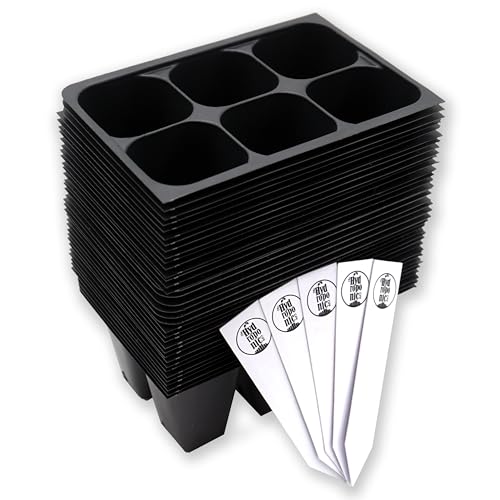
Promotes Healthy Root Development: Each cell measures 1.5" square by 2.25" deep, designed to promote healthy root development and ensuring your seedlings get a strong start for robust growth.
Starting from Seeds
- Choose Your Seeds: Select high-quality endive seeds suited for your climate.
- Prepare Your Soil: Loamy soil enhances moisture retention while draining excess water. Incorporate organic compost to enrich nutrients.
- Sow the Seeds: Plant seeds directly in the garden ¼ to ½ inch deep. Space them 10 to 12 inches apart in rows about 12 inches apart.
- Water Gently: Keep the soil consistently moist but not saturated. Use a fine mist setting on your hose or a watering can.
- Thin the Seedlings: Once seedlings reach about 2 inches tall, thin them to avoid overcrowding, retaining the strongest plants.
- Start Indoors: Begin with seed trays 6 to 8 weeks before the last frost. Use a quality seed starting mix.
- Create Optimal Conditions: Ensure seedlings receive sufficient light, ideally from grow lights or bright windows. Maintain temperatures around 65°F to 70°F.
- Harden Off: Gradually acclimate seedlings to outdoor conditions. For about a week, expose them to outdoor temperatures for a few hours each day.
- Choose the Right Time: Transplant seedlings outdoors after the last frost, ideally in early spring or late summer.
- Transplant With Care: Dig holes slightly larger than the root ball and space them 10 to 12 inches apart. Firm the soil around the roots and water thoroughly.
Following these steps guarantees healthy growth for your endive lettuce. You’ll enjoy not only the beauty of the plants but also a flavorful addition to your dishes.
Care and Maintenance
Caring for endive lettuce ensures a healthy and abundant harvest. This section covers essential aspects like watering needs and pest control to keep your plants thriving.
Recommended Products
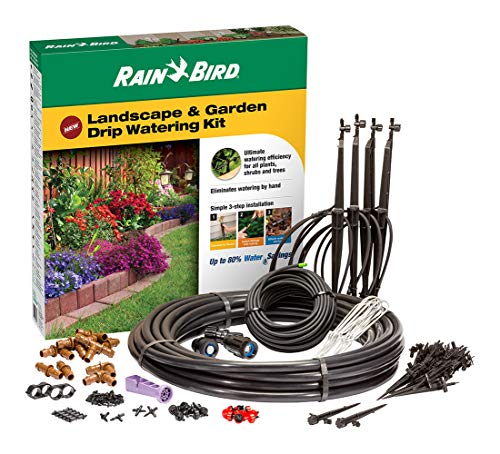
Comprehensive 108-piece kit for flower beds, gardens and landscaped areas; eliminates hand watering, saves time and money

Kit converts a pop-up sprinkler spray head into a water-saving Drip emitter system

【Upgraded Tube Design & Water Saving】 Our garden watering system is upgraded to 1/2” diameter to support high water pressure. The 1/2” tee connector allows seamless splitting into 2 independent zones for customized watering schedules. By delivering moisture directly to root zones, this drip Irrigation system significantly reduces evaporation and runoff—saving more water compared to conventional sprinklers while eliminating the need for manual watering.
Watering Needs
Water endive lettuce consistently, aiming for 1 to 1.5 inches of water per week. This amount includes rainfall, so check the soil moisture regularly. Use the finger test: stick your finger 1 inch into the soil. If it’s dry, it’s time to water.
Water early in the day to prevent evaporation and fungal diseases. When watering, soak the soil thoroughly and avoid wetting the leaves to reduce disease risk. Drip irrigation is ideal, but a gentle hose or watering can works too.
Consider mulching to maintain soil moisture. Organic materials, such as straw or shredded leaves, help keep the soil cool and damp, promoting healthy growth.
Pest and Disease Control
Monitor your endive lettuce for common pests like aphids, slugs, and leaf miners. Inspect leaves regularly, especially the undersides, for signs of infestation.
Use organic pest control methods, such as neem oil or insecticidal soap, to treat infestations effectively. Introduce beneficial insects, like ladybugs, which feast on aphids.
Keep an eye out for diseases, including Downy Mildew and Lettuce Drop. Good air circulation, proper spacing, and avoiding overhead watering help prevent these issues. If you notice any symptoms, remove affected leaves promptly and consider applying a fungicide if the problem persists.
Rotate crops annually to minimize disease risk and maintain soil health. Practice companion planting with herbs like basil or marigolds, which can deter pests while enhancing your endive’s flavor.
Harvesting Endive Lettuce
Harvesting endive lettuce at the right time enhances flavor and texture. The harvesting process varies slightly between curly endive and Belgian endive, but both require attention to timing.
Timing Your Harvest
- Curly Endive: Pick curly endive when the leaves are young and tender, typically 70 to 80 days after sowing. Look for a bright green color and curled edges.
- Belgian Endive: Harvest Belgian endive 100 to 120 days after initial planting. The heads should be firm and compact.
How to Harvest
- Cutting Method: Use a sharp knife to cut the base of the plant just above the soil line. This prevents root disturbance for any remaining plants.
- Hand-Pulling Method: For younger plants, you may gently pull them from the ground, ensuring not to damage the roots of nearby plants.
Post-Harvest Handling
- Cleaning: Rinse endive lettuce under cold water to remove dirt and pests.
- Storage: Place cleaned endive in a damp paper towel inside a plastic bag or container for refrigeration. For optimal freshness, consume within a week.
- Harvest in the Morning: Morning harvests yield the crispest leaves, as they contain more moisture.
- Avoid Yellowing Leaves: If you notice leaves turning yellow, harvest promptly, as this indicates that the plant is past its prime.
- Sequence Your Harvest: Harvest outer leaves first if you prefer a continual supply of fresh greens, allowing the plant to keep producing.
By understanding these harvesting methods and tips, you can enjoy a flavorful crop of endive lettuce that enhances your dishes.
Conclusion
Growing endive lettuce can be a rewarding experience that adds a unique flavor to your meals. By creating the right environment and following the care tips provided, you’ll be well on your way to a bountiful harvest.
Remember to monitor your plants for pests and adjust your watering as needed. With a little patience and attention, you can enjoy fresh, homegrown endive right from your garden. So get started and have fun cultivating this delicious leafy green!
Frequently Asked Questions
What is endive lettuce, and how is it used?
Endive lettuce, scientifically known as Cichorium endivia, is a leafy green that belongs to the chicory family. It’s characterized by its distinctive bitter flavor, often used in salads and gourmet dishes. Endive comes in two main varieties: curly endive and Belgian endive, both offering unique tastes and textures.
What are the ideal growing conditions for endive?
Endive thrives in temperate climates with cool weather, ideally between 60°F and 70°F. It prefers well-drained, nutrient-rich soil with a pH of 6.0 to 7.0 and requires full sunlight, ideally receiving at least six hours of direct light daily for optimal growth.
How do I plant endive lettuce?
You can plant endive lettuce by sowing seeds directly in the garden or starting seedlings indoors. Prepare the soil, maintaining proper spacing, and ensure your seeds are sown in well-drained soil. If starting indoors, use a quality seed starting mix, and gradually acclimate seedlings to outdoor conditions before transplanting.
How often should I water endive lettuce?
Endive needs consistent watering of about 1 to 1.5 inches per week. Utilize techniques like the finger test to check soil moisture and water early in the morning to prevent evaporation and reduce the risk of fungal diseases.
What pest management strategies are recommended for endive?
Monitoring for common pests such as aphids and slugs is crucial. Organic solutions like insecticidal soap or neem oil can be effective. Implement crop rotation and companion planting to enhance growth and flavor while deterring pests naturally.
When is the best time to harvest endive lettuce?
The best time to harvest endive is when the plants are mature but still tender, usually just before they flower. For curly endive, cut the outer leaves, leaving the inner ones to continue growing, while Belgian endive is typically harvested by pulling the entire plant when it reaches the desired size.
How should I store freshly harvested endive?
After harvesting, clean the endive thoroughly to remove soil and pests. Store it in a plastic bag in the refrigerator with some moisture retained to maintain freshness. For best flavor and texture, consume it within 5 to 7 days after harvesting.
