

Are you looking to grow cucumbers in your raised bed but don’t know where to start? Growing cucumbers in a raised bed is a great way to get the most out of your garden and improve crop yield. But it can be challenging for those who are new to gardening or don’t have much experience growing vegetables.
This guide will provide you with the essential tips, tricks and techniques on how to grow cucumbers in a raised bed successfully. We’ll cover everything from choosing the right location, soil preparation, and planting techniques that will help ensure your cucumbers are healthy and fruitful. Plus, we will discuss how to care for your cucumber plants correctly as they grow and produce fruit.
By the end of this article, you’ll have all the knowledge you need to get started growing cucumbers in a raised bed and enjoy a bountiful harvest!
Growing cucumbers in a raised bed is relatively easy and rewarding. Start by preparing the soil with a layer of compost and an all-purpose fertilizer. Plant seeds about 1 inch deep and 4 inches apart. Water regularly for best results and be sure to provide plenty of sun for your plants. When the cucumber plants begin to produce fruit, use stakes or trellises to help keep them off the ground.
Preparing the Soil for Growing Cucumbers in a Raised Bed
Good soil preparation is essential for growing healthy cucumbers. The best soil for cucumber production should be loose, well-drained, and high in organic matter. Raised beds are ideal for growing cucumbers because they provide excellent drainage and aeration, allowing the roots to access more nutrients and air. When planting cucumbers in a raised bed, it is important to create the right soil conditions for optimal growth.
Start by mixing the existing soil with plenty of compost or aged manure. This will add nutrients and improve drainage. For best results, use at least one part compost or aged manure to three parts existing soil. If you have heavy clay soils, add some organic material such as sand or perlite to improve aeration and drainage. After mixing in the compost or aged manure, test your soil pH with a kit from your local garden center and adjust if necessary to 6-7.
Once you have amended the soil, it is time to mix in a slow-release fertilizer that contains nitrogen, phosphorous, and potassium. This will provide your cucumbers with all of the essential nutrients they need to thrive over an extended period of time. For best results, use an organic fertilizer such as fish emulsion or aged compost tea. Finally, rake the amended soil into level beds that are at least 12 inches deep.
For optimal growth, cucumbers require plenty of water throughout their growing season. When preparing your raised bed for planting cucumbers it is important to ensure that it has sufficient irrigation capabilities such as drip irrigation or soaker hoses so that you can keep your plants consistently moist without over-watering them.
By following these steps you can create the perfect environment for your cucumber plants to thrive! With proper preparation and care you will be rewarded with plenty of delicious cucumbers throughout the summer season!
Planting Cucumbers in Your Raised Bed
Growing cucumbers in a raised bed is an excellent way to increase crop yields and have more control over soil conditions. Raised beds are also great for keeping down the weeds and providing better drainage. Here are some tips for planting cucumbers in your raised bed.
First, make sure you find a sunny spot for your raised bed. Cucumbers need at least 8 hours of direct sunlight a day to thrive and produce fruit. The soil should be well-draining, as cucumbers don’t tolerate wet feet. If you’re not sure what type of soil you have, you can perform a simple test: fill a container with soil and add water to it. If water pools on top of the soil, it’s not very well-draining and needs to be amended with sand or gravel before planting.
Next, prepare your raised bed by adding organic matter such as compost or manure to the soil. This will help improve drainage and aeration and add nutrients to the soil. You can also use organic fertilizer when planting your cucumber seeds or seedlings.
When it comes time to plant your cucumbers, there are several options available. You can plant from seeds directly in the ground or start them indoors and transplant them later when they’re bigger. Planting from seed is usually cheaper but requires more patience since it takes longer for the plants to mature compared to transplanting seedlings.
You can also choose between bush varieties or vining varieties of cucumber plants when planting in a raised bed. Bush varieties will take up less space but may produce fewer fruits compared to vining varieties which will require more room but will produce more fruits.
Be sure to give your plants enough room when planting them in a raised bed – they should be spaced at least 12 inches apart so they have enough room to grow and spread out. Water regularly so that the soil remains moist (but not soggy) and provide adequate support for vining types by using trellises or stakes.
Cucumbers are fairly easy to grow in a raised bed if you follow these tips:
- Choose a sunny spot.
- Amend poor-draining soils with sand/gravel.
- Add organic matter.
- Start from seeds or transplants.
- Choose between bush/vining varieties.
- Space plants 12 inches apart.
- Water regularly and provide support for vining types.
Watering Your Cucumber Plants
Cucumber plants need plenty of water in order to grow and produce healthy fruits, so it’s important to make sure that your cucumber plants are getting enough water. Depending on the climate where you live and the amount of rainfall you get, you may need to water your cucumbers more often. It’s best to water your cucumbers deeply once every week or two and then give them a light misting of water every few days. When watering, make sure to avoid getting the leaves wet as this can encourage fungal diseases.
It’s also important not to over-water your cucumbers as this can cause root rot. Make sure that the soil around the plants is not soggy and if it is, allow it to dry out before watering again. You can check if your cucumbers need water by sticking your finger in the soil near the plant – if it feels dry, it’s time to give them some water!
Recommended Products
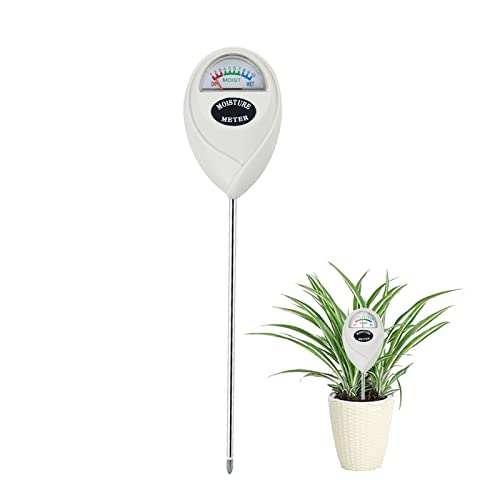
【SAVE YOUR PLANTS】: Over watering can cause problems with your plants or even kill them. This soil moisture meter helps you know the soil is dry, moist or wet.No more over watering!

Accurate Soil Moisture Detection: The XLUX Soil Moisture Meter can tell you if the soil deep inside your pot or garden is dry, moist or wet; whereas your eyes and fingers can only determine the moisture level of the soil surface. The probe is 5.5 inches (14 cm) longer than regular styles, allowing it to measure the soil moisture at the bottom of larger and deeper flower pots.
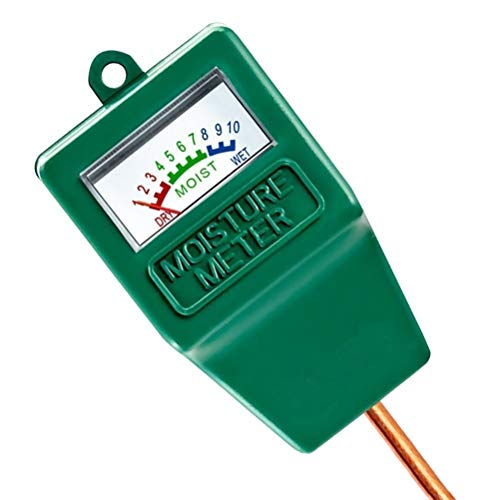
Soil Moisture Meter: This single probe soil moisture meter is specially designed for testing the moisture level in the soil, helps you decide whether the plants need water or not, helps to keep plants alive.
Feeding Your Cucumber Plants
Cucumbers are heavy feeders and will benefit from regular fertilization throughout their growing season. A slow-release fertilizer is a good choice for cucumbers as it will provide nutrients over a longer period of time without needing frequent applications. Alternatively, you can use a liquid fertilizer every two weeks or so during the growing season. If you’re using compost or manure, make sure it is well-rotted before applying it to your cucumber plants – fresh manure can burn the roots!
It’s also important to pay attention to the pH level of your soil when growing cucumbers as they prefer slightly acidic soils with a pH level between 5.5 and 6.5. If necessary, you can adjust the pH level of your soil with lime or sulfur depending on whether you want it more acidic or alkaline. Make sure you test your soil regularly throughout the growing season in order to ensure that it has the right pH level for optimal growth.
Supporting the Vines of Growing Cucumbers
Cucumbers are a great choice for gardeners who are looking to add variety and texture to their gardens. They can be planted in containers, raised beds, or directly in the ground. When growing cucumbers, it is important to support the vines of the plant so that they do not become tangled or broken. This allows for more efficient use of space and healthier plants overall. Here are some tips on how to support the vines of your cucumber plants:
Stakes: Stakes can be used to provide support for cucumbers that have long vining habits. Stakes should be placed at least 6 inches away from the base of the plant and should be securely attached to the ground with stakes or other supports. Stakes should be placed around each plant so that all sides of the plant are supported.
Cages: Cages can also be used to provide support for cucumber plants. These cages should have several levels within them so that each level can hold a few cucumber vines. The cages should also have enough room between them so that vines can grow outwards without becoming tangled or broken.
Fencing: Fences can also be used to provide support for cucumber plants. Fences should be securely attached to posts or other supports and positioned around each plant so that all sides are supported. Fences should also have enough room between them so that vines can grow outwards without becoming tangled or broken.
Twine: Twine can also be used as a form of support for cucumber plants. Twine should be securely attached at several points on each plant, allowing vines to stretch outwards without becoming tangled or broken. Twine may not work well for tall cucumber plants, but it is an effective option for shorter varieties.
Netting: Netting is another option for providing support for cucumber plants. Netting should be securely attached at several points on each plant, allowing vines to stretch outwards without becoming tangled or broken. Netting may not work well for tall varieties, but it is an effective option for shorter varieties.
Recommended Products
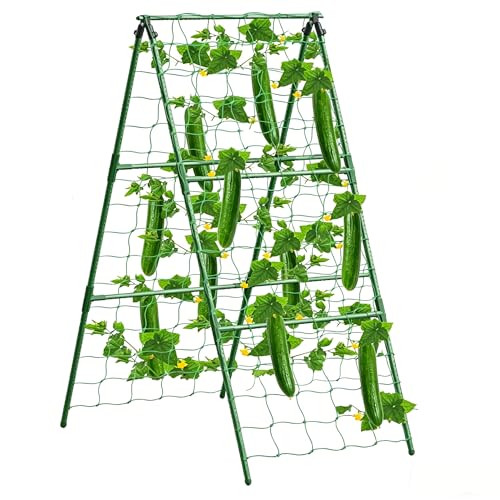
【Package included】:This Trellis for Climbing Plants Outdoor comes complete with everything you need to get started: 17pcs metal stakes, 8pcs T shape connect pipe, 2 A-shaped connectors, and a 0.9x1.8meter plant net.

Sturdy and Easy to Use: Crafted from premium, durable materials, our 2-pack of 48-inch moss poles empowers your climbing plants with reliable support while ensuring hassle-free installation

[DURABLE AND STURDY] Crafted from robust hollow steel, this garden stakes features a fade-resistant green plastic coating, offering reliable protection against wind, rain, and rust. With anti-slip ridges, it's easy to tie on plant ties, aiding in plant climbing. the pointed bottom design of tomato stakes enables effortless soil insertion, ensuring a secure anchoring effect with minimal effort
Controlling Pests and Diseases on Cucumber Plants
Cucumbers are a popular vegetable crop that is widely grown in many parts of the world. Unfortunately, cucumber plants are susceptible to a variety of pests and diseases which can significantly reduce yields and quality. In order to successfully grow cucumbers, it is important to be aware of the potential threats and take steps to prevent or control them.
The most common pests that affect cucumbers include aphids, thrips, whiteflies, and cucumber beetles. These insects feed on the leaves and stems of the plant, causing damage that can reduce yields. To prevent or control these pests, it is important to practice good garden hygiene by removing any dead or decaying plant material from the area as this can attract insects. Additionally, using row covers or insect netting can be effective in keeping insect pests away from your cucumber plants.
Diseases are also a common issue for cucumber plants and include bacterial wilt, powdery mildew, downy mildew, and mosaic virus. The best way to prevent these diseases is to practice crop rotation so that different crops are planted in each location each year. Additionally, make sure to water your plants at the soil level rather than overhead as this will help keep the foliage dry which can help prevent fungal diseases from taking hold.
It is also important to choose disease-resistant varieties when planting your cucumbers as some are more resistant than others. When harvesting your cucumbers make sure you’re harvesting them early in the day when they’re still cool as this helps reduce potential disease issues. Finally, timely application of fungicides may be necessary if disease issues arise.
By following these tips you should be able to successfully grow healthy cucumbers without too many pest or disease problems. With proper care and attention you should be able to harvest a bumper crop of delicious cucumbers!
Recommended Products
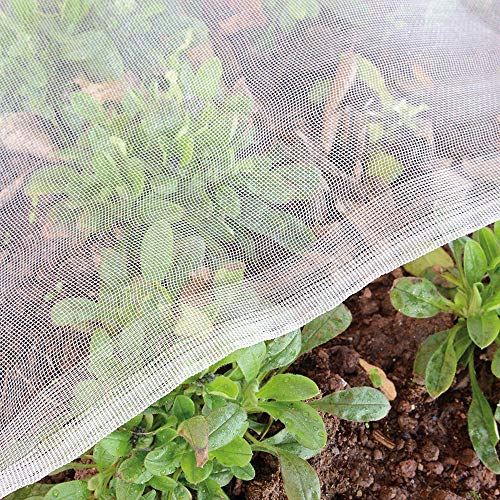
🥬Effective Bug Barrier: Protecting plants and vegetables from a wide range of pest insects and animals, such as cicadas, carrot fly and many species of aphids, you will get a healthier and happier garden

Ultra-Fine Mesh Netting: Large Size 2pack 10x33 Feet provide more security, Ultra Fine Garden Netting has a 0.04in ultra-fine mesh, It also allows sunlight | artificial light as well as air and rain to pass through. Light material, no burden for plant buds. Provide healthy growth environment for plants. Tip:(Not two packages, it's one package with two 10*33FT garden nets inside)
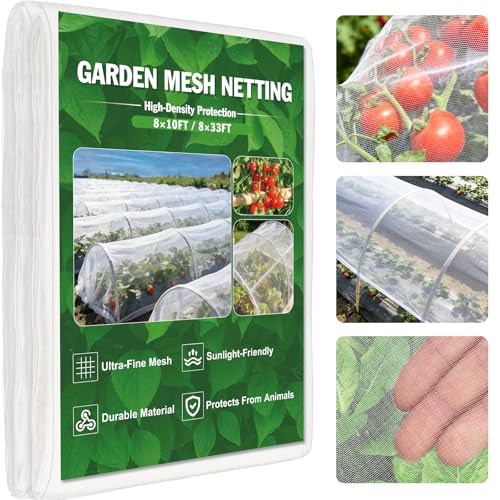
【Upgraded Fine Mesh Netting】This fine mesh garden netting uses 0.7*0.8mm high-density garden insect netting to block, birds, and small animals, offering reliable plant protection netting for vegetables and flowers
Harvesting Cucumbers
Harvesting homegrown cucumbers is an exciting experience! The best time to pick cucumbers is when they are firm and bright in color. The fruit should be harvested while they are still small, as larger cucumbers can become bitter and tough. Usually, cucumbers can be harvested anywhere between 45-55 days after planting, depending on the variety. It’s important to keep an eye on your plants and harvest the fruits regularly, as this will encourage more fruit production. To harvest, use a sharp knife or pair of scissors to cut the stem just above the cucumber.
Storing Homegrown Cucumbers
Once harvested, it’s important to store cucumbers properly in order to maximize their shelf life. Unwashed cucumbers should be stored in a cool, dry place with plenty of ventilation. Be sure not to store them near fruits such as apples or bananas, as these release ethylene gas that can cause the cucumbers to rot quickly. For extra protection, wrap them in paper towels before storing them in the refrigerator.
For long-term storage, you can pickle your homegrown cucumbers in vinegar or salt water solutions. This will help preserve their flavor and texture for months at a time. Start by washing the fruits and slicing them into thin slices or spears. Then mix together vinegar or salt water with some sugar and spices such as dill or garlic cloves before submerging the slices into the mixture and refrigerating them for at least an hour before serving or storing.
Common Varieties of Cucumber Suitable for Growing in Raised Beds
Cucumber is an incredibly versatile vegetable that can be used in a range of dishes. It is also one of the most popular vegetables to grow in raised beds, as it requires well-draining soil and plenty of sunshine. When it comes to selecting the right variety for your raised bed, there are a few things to consider.
One of the most important things to consider when choosing a cucumber variety suitable for growing in raised beds is the type of cucumber you want. There are two main types: slicing cucumbers and pickling cucumbers. Slicing cucumbers tend to have thick skin and are best eaten fresh, while pickling cucumbers are smaller and more bitter, and are usually used for making pickles or other preserved foods.
Once you’ve chosen the type of cucumber you want to grow, there are many varieties available that will work well in raised beds. For slicing cucumbers, some popular varieties include ‘Marketmore 76’ and ‘Straight Eight’. These varieties have good disease resistance and produce larger fruits than some other varieties.
For those looking to grow pickling cucumbers in their raised beds, there are a number of excellent choices available such as ‘Boston Pickling’, ‘Parisian Pickling’, or ‘National Pickling’. These varieties produce small fruits that are perfect for pickles or relishes.
When it comes time to plant your cucumbers in your raised bed, it’s important to remember that they need plenty of space for their roots to spread out. Be sure to give them at least 3 feet (1 meter) between plants when planting them in rows. It’s also important to keep an eye out for pests such as aphids, which can damage your plants if left unchecked.
Finally, be sure to water your cucumber plants regularly throughout the growing season, as they will need consistent moisture in order to thrive. With proper care and attention, you should have no problem producing a bountiful harvest from your raised bed!
Conclusion
Growing cucumbers in a raised bed is a great way to enjoy a plentiful harvest of this vegetable. With proper care and attention, you can have an abundance of fresh cucumbers throughout the growing season. It’s important to choose the right location for your raised bed and prepare it with organic matter and fertilizer. You should also make sure to use quality soil and mulch to help retain moisture and keep weeds at bay. Once your bed is ready, you can plant seeds or starter plants, water regularly, and provide adequate support for the plants. If you follow these steps, you will be sure to have a successful harvest of cucumbers in no time!
In conclusion, growing cucumbers in a raised bed can be rewarding and relatively easy if done correctly. With the right soil, mulch, fertilizer, and support structures in place, cucumber plants can thrive even with minimal maintenance. Additionally, raised beds provide better drainage than traditional garden beds and make harvesting much easier. So why not try growing cucumbers in a raised bed this year? You won’t regret it!
