

Looking for a cucumber plant that will be ready to harvest sooner rather than later?
Growing cucumbers can be a fun and rewarding experience, but some gardeners find themselves wondering: How fast do cucumber plants grow?
Knowing the answer to this question helps gardeners decide when to start planting, how much space to allot for cucumbers, what type of support they need, and when they can expect a harvest. In this article, I’m going to give you the answers you need based on my years of experience as a horticulturist.
Cucumber plants can grow quite quickly, depending on the variety and the conditions. On average, cucumber plants can reach full maturity in about 50-70 days.
Factors Affecting Cucumber Growth Rate
Cucumbers are popular garden vegetables that can be grown in a variety of climates. The growth rate of cucumbers can be affected by a number of environmental factors, such as soil temperature, soil fertility, water availability, and light intensity. Knowing these factors and how they interact with the plant can help maximize cucumber yields.
Soil Temperature: The ideal soil temperature for growing cucumbers is between 60-85°F (15-30°C). Warmer temperatures will cause the plants to grow faster, while colder temperatures will slow down their growth. It is important to keep the soil at an even temperature throughout the season to ensure optimal growth.
Soil Fertility: Soil fertility plays an important role in cucumber growth. Soils with higher levels of organic matter are more fertile and can support healthier plants. Compost or manure should be added to soils when planting cucumbers to provide extra nutrients for their growth.
Water Availability: Water is essential for cucumber growth. Regular watering is necessary during the growing season, especially during dry periods. Too little water can cause the plant’s leaves to wilt and slow down its growth rate. It is important to check the moisture level in the soil before watering and adjust accordingly.
Light Intensity: Cucumbers need full sun for optimal growth. A minimum of 6-8 hours of sunlight per day is necessary for healthy plants and increased yields. In areas with low light intensity, supplemental lighting may be necessary to ensure adequate light exposure.
These are some of the main factors that affect cucumber growth rate. By understanding how they interact with each other, you can create an environment that encourages healthy plant development and high yields.
Recommended Products

Kindly NOTE: This soil tester can not be applied to test pH value of any other liquid. If the soil is too dry the indicator will not move, and water it before testing.

Accurate Soil Moisture Detection: The XLUX Soil Moisture Meter can tell you if the soil deep inside your pot or garden is dry, moist or wet; whereas your eyes and fingers can only determine the moisture level of the soil surface. The probe is 5.5 inches (14 cm) longer than regular styles, allowing it to measure the soil moisture at the bottom of larger and deeper flower pots.

Temperature Requirements for Growing Cucumbers
Cucumbers are a warm-weather vegetable, and they thrive best in temperatures between 65 and 75 degrees Fahrenheit during the day, and no lower than 60 degrees Fahrenheit at night. If the temperature drops too low, cucumber plants can be damaged or even killed. Additionally, cucumbers need plenty of sunshine to grow properly. For optimal growth, cucumber plants should receive at least six hours of direct sunlight each day.
When planting cucumbers outdoors, it’s important to wait until the soil temperature has reached at least 65 F before planting your seeds or seedlings. Planting too early in cold soil can stunt their growth or even kill the plant. If you live in a region with cool summers and short growing seasons, consider planting your cucumbers in containers so you can move them to a warmer spot if needed.
If temperatures exceed 85 F for extended periods of time, your cucumber plants may suffer from heat stress. Heat stress can cause numerous problems including blossom drop, reduced fruit production and poor quality fruits. To avoid heat stress make sure your cucumber plants are receiving plenty of water and provide some shade during hot afternoons with a light cover such as row cover fabric or shade cloth.
It is also important to monitor the humidity levels around your cucumber plants. Too much humidity can create an environment where diseases like powdery mildew may thrive. To reduce humidity levels around your cucumber patch, use an oscillating fan to keep air moving in the area.
Finally, if you live in an area where late spring frosts are common protect your young seedlings by covering them with a light blanket on cold nights or use wall-o-waters around each plant for extra protection against frost damage.
Recommended Products

THICKER MATERIAL: Our plant freeze protection cover is made of UV stabilized polypropylene. Upgraded thicker 0.9oz./sq.yard lightweight but durable. Soft plant covers are friendly and no harm to your plants. Breathable non-woven fabric allow light, air go through the frost cloths and reach the plants.
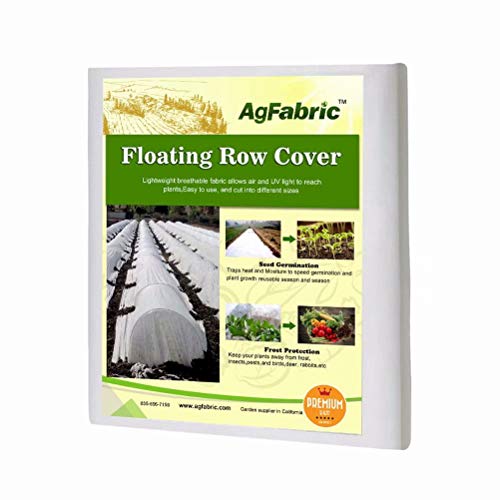
The plant row cover is made of 0.55 oz/sq non-woven polypropylene fabric which is lightweight breathable and durable. It allows air and moisture to reach your vegetables and flowers.

36 PCS Garden hoops for Raised Bed : Greenhouse Hoops frame widely used indoors and outdoors, great for the yard, vegetable garden, and garden raised beds. DIY Garden Hoops Grow Tunnel Kit works well to protect your plants, seedlings, herbs flowers,strawberry in any season gardening plant.Plant support for climbing plants,plant stakes for outdoor plants,Tomato support garden stakes.
Soil Requirements for Growing Cucumbers
Cucumbers are a popular and easy-to-grow vegetable that can be grown in a variety of climates. To get the best results, however, it is important to understand the soil requirements for growing cucumbers. Cucumbers need a well-draining soil with plenty of organic matter. The soil should be slightly acidic, with a pH of 6.0 to 6.8. It should also have good aeration and moisture retention properties.
When planting cucumbers, you can improve the quality of your soil by adding compost or aged manure. This will provide essential nutrients and help maintain the right pH level for optimal growth. You can also add mulch around the plants to help keep the soil moist and prevent weeds from taking over your garden bed.
It is important to ensure that your cucumber plants have access to adequate drainage as too much water can lead to root rot and disease. Be sure to avoid over-watering your plants; cucumbers prefer moist but not soggy soil conditions. If you have heavy clay soils, consider adding sand or other organic matter such as peat moss or compost to improve drainage.
Cucumber plants are heavy feeders and will benefit from regular fertilization throughout the growing season. Organic fertilizers such as compost tea or fish emulsion are great options for natural fertilization. For an extra boost, you can also use a balanced liquid fertilizer every few weeks during the peak growing season.
By taking care of your cucumber plants’ soil needs and providing adequate drainage, nutrition, and water, you can enjoy bumper crops of delicious cucumbers all summer long!
Sunlight Requirements for Growing Cucumbers
Cucumbers are a warm-season crop that thrive in full sun, meaning they need at least six to eight hours of direct sunlight per day. They are sensitive to both temperature and light, so they should be planted in an area with plenty of sun exposure. Cucumber plants will grow best when temperatures are between 65 and 80°F. If temperatures get too high or too low, it can affect the growth and quality of your cucumbers.
Cucumber plants should be planted in an area that gets at least six hours of direct sunlight every day, preferably more. If you have a shady garden, you may want to consider planting your cucumbers in containers that can be moved around to get more sunlight. You might also consider using reflective mulch or a reflective tarp to help maximize the amount of sunlight they get.
When choosing a spot for your cucumber plants, look for an area with good drainage and plenty of space between each plant. Avoid planting them near plants with similar nutrient requirements such as peppers or tomatoes as this could lead to competition for nutrients and water.
It’s important to remember that cucumbers are very sensitive to changes in their environment, so it’s important to keep the temperature and sunlight consistent throughout the season. In order to ensure your cucumber plants get enough light and heat, it’s important to check them regularly and make sure they’re getting what they need.
Water Requirements for Growing Cucumbers
Cucumbers are a popular garden vegetable and a great choice for any home gardener. Knowing the proper water requirements for growing cucumbers is essential for successful cultivation of this vegetable. Cucumbers need a lot of water, but not too much. Too little water can cause the plant to wilt and stop producing, while too much water can cause disease and root rot.
The best way to ensure that your cucumber plants get the right amount of water is to give them about an inch of water per week. Water deeply and then wait until the soil is almost dry before watering again. If you live in an area with hot, dry summers, you may need to increase your watering frequency to keep your plants healthy and productive.
It is important to remember that cucumbers need evenly moist soil in order to grow properly. If the soil stays too wet or too dry, it can cause problems such as nutrient deficiencies and disease. Keeping an eye on the moisture content of your soil is key to successful cucumber cultivation.
When watering cucumbers, it is best to use a soaker hose or drip irrigation system that delivers water directly at the base of the plant instead of using overhead sprinklers. This will help reduce disease pressure and conserve water by delivering it directly where it’s needed most—at the roots!
Finally, mulching around your cucumber plants can help keep their roots cool and retain moisture in hot weather conditions. A layer of organic mulch such as straw or grass clippings will help keep your plants healthy even during dry spells.
In summary, cucumbers require regular watering with an inch of water per week depending on weather conditions and should be watered deeply at the base of each plant using a soaker hose or drip irrigation system. Mulching around plants can also help preserve moisture in hot weather conditions.
Recommended Products
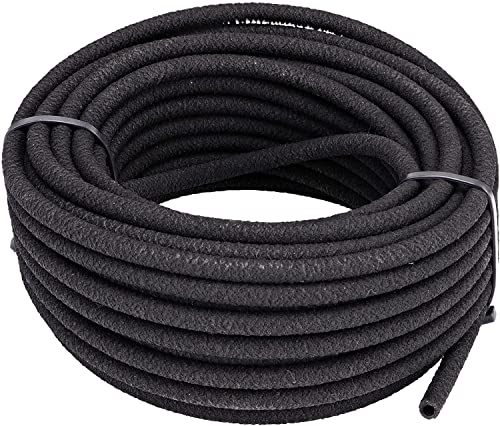
Slowly waters the soil around your plants for complete root zone hydration; Ideal for short runs on flat surfaces, such as vegetable gardens, borders, and around small plants

Higher Cost Performance Provide: enough length soaker hoses to get higher cost performance,and our 1/4 " diameter soaker hose set not only include 100 Ft length soaker hose but also include a rich range of accessories for a variety of uses,help you make custom length soaker hoses cheap & easy.

【Even & Consistent Root Watering】Features micro-pore seepage technology that distributes water evenly along the entire hose, transforming spot watering into uniform line watering directly to plant roots. Unlike traditional drip irrigation systems with clog-prone emitters, this soaker hose creates a continuous moisture band for healthier, deeper-rooted plants
Nutrient Requirements for Growing Cucumbers
Cucumbers are one of the most popular vegetables in a home garden. To grow healthy cucumbers, gardeners need to provide the required nutrients. Cucumbers need three major nutrients: nitrogen, phosphorus, and potassium.
Nitrogen is needed for lush green foliage and vigorous growth. Nitrogen can be provided by compost or manure applied at planting time, or through a fertilizer applied every few weeks during the growing season. Phosphorus promotes flowering and fruiting. It is best applied at planting time as a fertilizer or as bone meal mixed into the soil. Potassium helps strengthen plants to resist disease and helps with fruit quality and flavor development. Potassium can be provided through compost or fertilizer at planting time, as well as during the growing season.
In addition to these three major nutrients, cucumbers require several micronutrients including calcium, magnesium, sulfur, copper, iron, boron, molybdenum and zinc. Calcium is important for cell wall strength and prevents blossom end rot on fruits. Magnesium helps plants use other nutrients more efficiently and assists in photosynthesis. Sulfur helps regulate other nutrient levels in the soil as well as aid in chlorophyll formation.
Copper aids in photosynthesis and is essential for good stem growth; iron helps maintain chlorophyll production; boron aids in pollination; molybdenum helps plants use nitrogen; and zinc aids in root growth and shoot development.
Gardeners should perform a soil test to determine what specific nutrients their soil needs before applying any amendments to their garden bed – too much of any nutrient can cause problems just like too little of one can.
When applying fertilizers:
- Follow label directions carefully
- Apply evenly throughout the garden bed
- Water thoroughly after application
Proper Spacing of Seeds When Planting Cucumbers
When planting cucumbers, proper spacing of seeds is key to ensure that your plants will thrive and produce a large harvest. Cucumber plants need plenty of space for optimal growth, so it’s important to follow the recommended seed spacing guidelines. The ideal distance between cucumber seeds is about 6-8 inches apart when sown directly in the garden. If you are using a raised bed, you can plant the seeds 8-10 inches apart. If you are growing multiple rows of cucumbers, leave at least 3 feet between each row.
When planting cucumber seeds indoors, start them in individual containers with a potting mix or soil-less seed starting mix. These container can be small pots, trays or cell packs with drainage holes. Space out each seed or group of seeds evenly throughout the tray or pot and cover them with 1/4 inch of soil.
Cucumbers are also relatively easy to grow in containers such as hanging baskets and window boxes. When planting cucumber seeds in containers, use a quality potting soil that is well drained and amended with compost or other organic matter. Make sure that the container is large enough for the mature plant (at least 10-12 inches deep) and space out the seeds about 6-8 inches apart.
When transplanting young cucumbers from containers to the garden bed, space them out 12 inches apart from each other. If your garden bed is not large enough to accommodate this spacing, you can opt for planting two plants per hill instead of one plant per hill. This will help conserve space while giving your plants plenty of room to grow and develop.
It’s important to remember that proper spacing between cucumber plants will help reduce competition for resources such as sunlight, water and nutrients which will ultimately lead to healthier plants and bigger yields come harvest time!
Conclusion
Cucumber plants are a fast-growing plant species, with some cucumber varieties maturing in as little as two months. However, the actual growth rate of a cucumber plant can vary depending on factors such as soil fertility, water availability and exposure to sunlight. With the right environmental conditions and good care, cucumber plants can reach their full growth potential relatively quickly.
It is important to note that there are many different varieties of cucumbers, each with its own growth rate and characteristics. When deciding to grow cucumbers, it is best to select a variety that is well suited for your local climate and desired harvest time. With the right variety and proper care, you can look forward to a successful harvest in no time!
Overall, it is clear that cucumber plants can grow quickly when given the proper environment and care. By selecting a suitable variety for your area and providing adequate water, sunlight and fertilizer you can be sure to have an abundant harvest in no time!
