

Have you ever wondered why your cucumbers suddenly fall off the vine? If you’ve been seeing your cucumbers ripening too early before you can harvest them, or if they just suddenly drop off the vine before they are ripe, it’s likely due to a combination of different factors.
As a horticulturist with decades of experience in planting and growing vegetables, I understand how frustrating this can be. You’ve put in the effort to nurture your cucumber plants, only to see them fail at the end. In this article, I will discuss the common causes of premature cucumber dropping, as well as provide some tips on how to prevent it from happening again.
By understanding these common problems and taking preventive measures, you can ensure that your cucumbers are able to reach their full potential!
It sounds like your cucumbers could be suffering from a lack of pollination. Ensure that the flowers are being visited by pollinators such as bees or hand pollinate them yourself. It’s also important to give them plenty of sunshine, water, and nutrients. If problems persist, consider consulting a local horticultural expert.
Common Causes of Cucumber Fruits Falling Off
Cucumbers are a popular vegetable and a great addition to any garden. But when cucumber fruits start falling off before they’re ready, it can be very frustrating for gardeners. The good news is that there are several common causes of cucumber fruits falling off, and each can be addressed with proper care.
One of the most common causes of cucumber fruits falling off is inadequate pollination. To ensure adequate pollination, gardeners should make sure that there are male and female flowers present on their plants, as well as plenty of bees in the area for pollination.
Another common cause is temperature fluctuations. If temperatures drop too low at night or soar too high during the day, it can cause cucumbers to drop off the vine prematurely. To avoid this problem, gardeners should keep their plants in a location that is protected from extreme temperature changes.
Finally, an issue known as “bitter end” or “end rot” can also cause cucumbers to fall off prematurely. This occurs when the blossom end of the fruit turns brown and soft before it has had time to mature properly. It is usually caused by fluctuating soil moisture levels and can be prevented by maintaining consistent soil moisture levels throughout the growing season.
In summary, there are three common causes of cucumber fruits falling off: inadequate pollination, temperature fluctuations, and “bitter end” or “end rot” caused by inconsistent soil moisture levels. By addressing these issues with proper care, gardeners will have much better success in growing healthy cucumbers that make it to maturity.
Temperature Stress
When it comes to growing vegetables, temperature stress is one of the most difficult challenges faced by gardeners. Plants are sensitive to temperature and can suffer from both too much heat and too much cold. In extreme temperatures, they can suffer from dehydration, wilting, stunted growth, and even death. For gardeners, it’s important to be aware of the ideal temperature range for each vegetable species and take steps to protect vegetables from extreme temperatures.
One of the best ways to protect vegetables from extreme temperatures is through shade cloths or other structures that provide protection against direct sunlight. Shade cloths are also great for preventing frost damage in colder climates. In addition, gardeners should try to choose a location with good air circulation in order to prevent overheating due to trapped heat.
Gardeners should also pay attention to soil temperature when planting vegetables. Cooler soils will cause slower growth and may result in an extended harvest season, while warmer soils will cause faster growth but may lead to earlier ripening of fruits. It’s important for gardeners to check soil temperatures before planting and adjust their planting schedule accordingly.
Finally, gardeners should be aware of the nighttime temperatures in their area and take steps to protect their plants during cooler weather. Covering or insulating plants with blankets or other materials can help protect them from frost damage and keep them healthy during cold weather.
By taking these simple steps and paying attention to temperature stress, gardeners can ensure that their vegetable gardens thrive all season long!
Impact of Cold Temperatures on Vegetables
Vegetables are sensitive to cold temperatures and need protection from the elements. For most vegetables, the optimum temperature for growth is between 60 and 80 degrees Fahrenheit. When temperatures drop below this range, it can have a negative impact on the plants. Different vegetables may be more or less resilient to cold temperatures, but all can suffer if exposed to freezing temperatures for too long.
The most common damage caused by cold temperatures is frost damage or frostbite. This occurs when leaf or stem tissue freezes, damaging the cells and leading to wilting and discoloration of the leaves. In extreme cases, frost can kill plants outright. Other cold-related damage includes splitting of fruits, stunted growth, and poor fruit quality.
Fortunately, there are several ways to protect your vegetable garden from cold weather. It’s important to choose varieties that are adapted to your climate zone so they’re better able to tolerate cold temperatures. Using cloches or row covers is another great way to protect tender seedlings from frost. Choose organic mulch such as straw or hay to insulate the soil in winter months and give your plants an extra layer of protection.
When planting in spring or fall months when temperatures may be cooler than usual, ensure that you wait until night temperatures remain consistently above 50 degrees Fahrenheit before planting out seedlings. If you live in an area with cooler summers, look for varieties that mature quickly as these will tolerate colder weather better than those that need longer growing seasons.
Finally, if a late frost is expected you can cover vulnerable plants with blankets or sheets until morning when the danger has passed. Taking these simple precautions will help ensure you get a successful harvest even in colder climates.
The Impact of Hot Temperatures on Vegetables
Most vegetables grow best in mild temperatures and plenty of sunshine. When temperatures get too hot, it can have a detrimental effect on the growth and quality of the vegetables. High temperatures can cause plants to wilt, reduce yields and even cause crop failure.
Vegetables need cool nights to set flowers and produce fruit; if temperatures remain high, then flowering and fruiting may not occur. High temperature causes transpiration rates to increase resulting in increased water demand for the plant. This can lead to wilting, scorching and leaf burn which will adversely affect growth and yield.
High day and night time temperatures can also reduce seed germination rates resulting in reduced yields. In some cases, seeds may not even germinate at all if temperatures are too high or too low. High temperature is also linked to increased pest infestation which means that the plants are more prone to insect damage or disease.
The best way to protect your vegetable crops from extreme heat is by providing adequate shade or shelter during the hottest parts of the day. If possible, choose varieties of vegetables that are better able to withstand hot weather conditions such as some types of tomatoes, peppers and squash. Additionally, make sure that your garden receives enough water as this will help keep plants cool and hydrated during hot weather.
Finally, mulching your vegetable beds with organic material such as straw or grass clippings can help regulate soil temperature as well as reduce evaporation rates which will help keep the soil cool during hot weather conditions. Mulching also helps retain moisture in soil which reduces water demand for plants during hot summer months.
Soil
The soil is one of the most important components for a successful vegetable garden. It should be dark and rich in organic matter, such as compost and manure. The soil should also be well-drained; if it is too wet or too dry, it can cause problems for your plants. The pH of the soil should be 6.5 to 7.0, which is slightly acidic to neutral. If your soil pH is too high or too low, you may need to adjust it with lime or sulfur.
When preparing the soil for planting, it is important to make sure that it is free of weeds and other debris. You can remove these by hand or use a hoe to loosen the soil before planting. It is also important to add organic matter such as compost or manure to improve drainage and aeration.
Fertilizer
Fertilizer will help your vegetables grow healthy and produce an abundant harvest. It’s important to choose the right type of fertilizer for your particular vegetables and their growing conditions. Some vegetables require more nitrogen than others, so you may need to use a fertilizer that has a higher concentration of nitrogen.
Organic fertilizers are generally considered better for plants because they are slow-release and provide more nutrition over time than chemical fertilizers. They also help improve the structure of the soil by adding organic matter.
Light
Most vegetables need at least 6 hours of direct sunlight per day in order to produce an abundant harvest. If your garden doesn’t get enough sunlight, you could consider using LED grow lights or reflective surfaces such as aluminum foil to increase the amount of sunlight available.
It’s also important to give your vegetables some shade during hot summer days; this will help prevent them from wilting in the heat.
Water
Most vegetables require 1-1½ inches of water per week, either from rainfall or irrigation. It’s best to water deeply but infrequently; this encourages deeper root growth which helps plants become more drought tolerant over time.
It’s also important not to over water; this can cause root rot which can lead to plant death. You can check the moisture level in your soil with a moisture meter or simply by sticking your finger into the soil up to your first knuckle; if it feels dry then it needs watering.
If you are using an irrigation system, make sure that it is set up correctly so that it provides even coverage across all parts of your vegetable garden.
Recommended Products
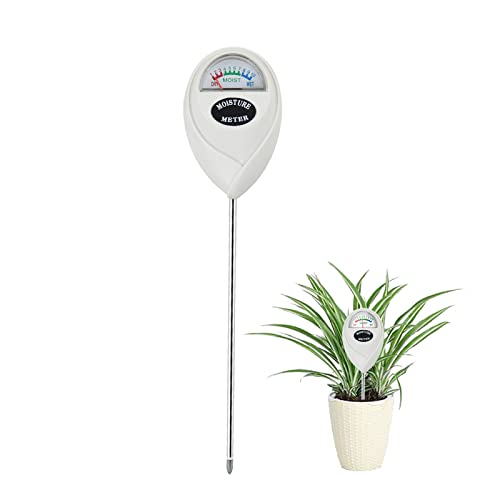
【SAVE YOUR PLANTS】: Over watering can cause problems with your plants or even kill them. This soil moisture meter helps you know the soil is dry, moist or wet.No more over watering!
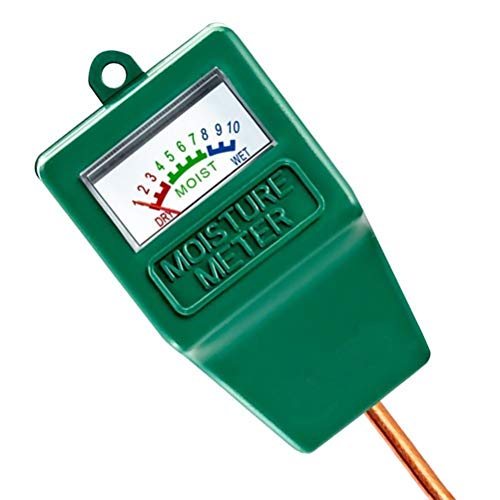
Soil Moisture Meter: This single probe soil moisture meter is specially designed for testing the moisture level in the soil, helps you decide whether the plants need water or not, helps to keep plants alive.

Accurate Soil Moisture Detection: The XLUX Soil Moisture Meter can tell you if the soil deep inside your pot or garden is dry, moist or wet; whereas your eyes and fingers can only determine the moisture level of the soil surface. The probe is 5.5 inches (14 cm) longer than regular styles, allowing it to measure the soil moisture at the bottom of larger and deeper flower pots.
Pest Control
Pests can be a major problem when growing vegetables; they can damage plants and reduce yields significantly if left unchecked. The best way to control pests is through prevention; keeping weeds down, providing adequate nutrition and making sure there are no standing pools of water nearby will all help reduce pest populations naturally.
If pest populations do become a problem then there are several non-chemical options available such as traps, physical barriers like row covers or netting and biological controls like ladybugs or nematodes which feed on pests naturally.<
Recommended Products

Protect your oasis with Captain Jack's Bt Thuricide Ready-to-Use Spray; this product controls cabbage looper, hornworms, tent caterpillars and more

Too Much Water
Watering your vegetables is an important part of the growth process. Too much water, however, can be just as damaging as too little. Too much water can cause root rot which will reduce the health of your vegetables. Plants need oxygen to survive and when soil is saturated with water, it prevents air from entering the roots. This will lead to wilting, yellowing and even death of your plants.
In general, you should water your vegetables once a week or when the top inch of soil feels dry to the touch. If the area you live in experiences heavy rainfalls or if you have a sprinkler system that waters your plants regularly, you may need to reduce the frequency of watering.
When you do water, make sure that all parts of the plant get some water by applying it directly to its base instead of watering from overhead. Avoid wetting the leaves as this can cause mold and mildew. Water your vegetables in the morning so that any excess moisture will evaporate during the day and not leave them vulnerable to disease at night.
It is important to know how much water your vegetables need so that you can avoid overwatering. You should also keep an eye on weather conditions in order to properly adjust your watering schedule accordingly.
Too Little Water
Vegetables need plenty of water for healthy growth and development. Not providing enough water can lead to wilting, yellowing and stunted growth of plants which can eventually cause them to die off altogether.
The amount of water needed depends on several factors such as climate, soil type and plant variety but in general, most vegetables require at least 1-2 inches (2-5 cm) of water per week either from rainfall or irrigation.
In order to ensure that your vegetables are getting enough moisture, it is important that you check on them regularly and adjust their watering schedule accordingly depending on weather conditions in your area.
You should also make sure that all parts of the vegetable are getting enough water by applying it directly at its base instead of overhead watering which could lead to disease problems such as mildew and fungus.It is important not to underwater or overwater your vegetables in order for them to reach their full potential.
Recommended Products
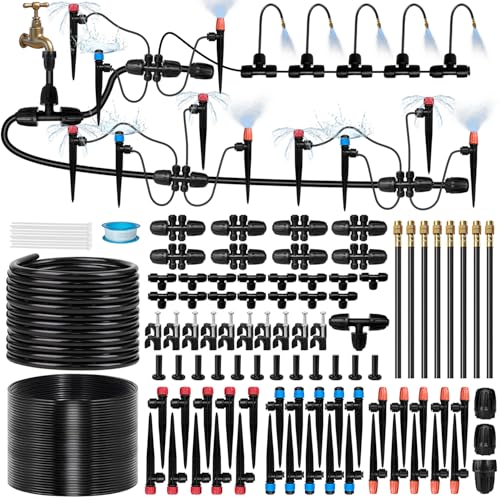
【Upgraded Tube Design & Water Saving】 Our garden watering system is upgraded to 1/2” diameter to support high water pressure. The 1/2” tee connector allows seamless splitting into 2 independent zones for customized watering schedules. By delivering moisture directly to root zones, this drip Irrigation system significantly reduces evaporation and runoff—saving more water compared to conventional sprinklers while eliminating the need for manual watering.

✔Comprehensive Drip Irrigation Kit:MIXC drip irrigation system, equipped with a versatile range of components, caters to all your garden watering needs.Includes essential parts such as 197ft 1/4'' irrigation tube, 33ft 1/2'' irrigation tube, 1/2‘’ Lock Barbed Tee connectors, drip emitter streams, vortex emitters, Blue Mist Nozzles, Quick connection tees, Faucet Connector, and more.

【Upgraded Tube Design & Water Saving】 Our adjustable garden watering system is upgraded to 1/2” diameter to support high water pressure. The 1/2” tee connector in the package so you can easily set up 2 drip irrigation systems as needed. Garden watering systems minimize stage water loss by recharging water directly to plant roots. While traditional irrigation often results in wasted water, this drip irrigation system saves up to 70% of water, no need for manual watering, saves water.
Too Much Water
It is important to remember that when it comes to vegetable gardening, one of the most important things to consider is giving your plants the right amount of water. Too much water can cause a number of problems and can even lead to plant death.
When watering your vegetables, the best way to ensure that you don’t over-water is by following a set schedule and sticking to it. The amount of water needed will vary depending on the type of vegetable and the time of year. Generally, vegetables need 1-2 inches of water per week. You can check your soil using a soil moisture meter or by simply feeling it with your hands.
It’s also important to note that vegetables grown in containers need more frequent watering than those planted directly into the ground. You should check the soil every few days and make sure that it feels moist but not soggy or overly wet. If the soil does feel too wet, then you may want to wait a few days before watering again.
Finally, try not to water your plants in the evening as this can cause them to become susceptible to fungal diseases. Watering should always be done in the morning so that any excess moisture can evaporate throughout the day.
It’s important to remember that giving your plants too much water can be just as damaging as giving them too little, so take care when deciding how often and how much to water them!
Conclusion
The most important thing to remember when it comes to why cucumbers are falling off is to be proactive. Monitor the plant closely for signs of pests and diseases. Make sure the plant is in an appropriate environment and has the right amount of sunlight and water. If these steps are not taken, then it can be difficult to identify the cause of the falling cucumbers. Proper pruning can also help with this issue. Lastly, it is important to remember that cucumbers can be prone to certain diseases, so always keep an eye out for any suspicious activity or changes in plants.
By taking all these things into consideration, gardeners should be able to successfully prevent their cucumbers from falling off and enjoy a bountiful harvest!
