

Ever wondered how to grow delicious, homegrown carrots right in your Virginia backyard? Picture this: you stroll outside, pluck a vibrant carrot from the ground, and savor its fresh, earthy taste. Exciting, isn’t it? In this article, you’ll discover the secrets to cultivating thriving carrot patches in your very own Virginia soil.
Imagine the satisfaction of harvesting your own carrots, free from pesticides and bursting with flavor. By following our expert tips and guidance, you’ll soon be enjoying a bountiful carrot harvest that’s not only rewarding but also incredibly tasty. Get ready to roll up your sleeves, dig into the rich Virginia soil, and watch your carrot dreams take root.
Choosing the Right Carrot Varieties
When it comes to Choosing the Right Carrot Varieties for your Virginia garden, consider the following factors:
- Danvers: Ideal for heavier soils, these carrots are thick and sweet.
- Scarlet Nantes: Known for their classic carrot flavor, they thrive in well-drained soil.
- Atomic Red: Vibrant in color and rich in antioxidants, they add a pop to your garden.
Recommended Products

Premium Quality Seeds: Harvested from high-quality harvests to ensure freshness and flavor!

Gardening Kit: Organo Republic 10 Unique Carrot Seeds Variety Pack Non-GMO Heirloom Seeds for LESS THAN $1.50 PER SEED VARIETY PACK with 7,550+ seeds including: Carrot Imperator 58, Carrot Little Fingers, Carrot Parisian, Carrot Purple, Carrot Red, Carrot White, Carrot Yellow, Carrot Royal Chantenay, Carrot Scarlet Nantes, Carrot Tendersweet.

Preparing the Virginia Soil for Carrot Growth
When it comes to growing carrots in Virginia, preparing the soil is key. Here are some essential steps to get your soil ready for successful carrot cultivation:
- Loosen the soil to a depth of at least 12 inches. Carrots prefer loose, well-draining soil to develop properly.
- Remove rocks and debris as they can hinder carrot growth and affect root development.
- Add organic matter like compost or aged manure to improve soil structure and provide essential nutrients for carrot growth.
- Ensure proper pH levels between 6.0 and 6.8. You can test the soil pH using a home test kit for accurate results.
In Virginia, carrots thrive in well-drained soil with a light texture. By preparing your soil properly, you set the foundation for a successful carrot harvest in your garden.
Planting Carrot Seeds or Seedlings
When it comes to planting your carrot seeds or seedlings in Virginia, here are some essential steps to ensure a successful carrot harvest:
- Seed Depth: Plant your carrot seeds about 1/4 to 1/2 inch deep in the soil. Lightly cover them with a thin layer of soil and gently pat them down.
- Spacing: Carrot seeds should be spaced about 2 inches apart to allow each plant enough room to grow and develop properly.
- Watering: After planting, make sure to water the seeds gently but thoroughly. Keep the soil consistently moist to promote germination.
- Thinning: Once the carrot seedlings have sprouted, thin them out to 1-3 inches apart to prevent overcrowding and promote healthy root development.
- Mulching: Consider mulching around the base of the carrot plants to help retain moisture in the soil and prevent weed growth.
By following these planting guidelines, you’ll give your carrot seeds or seedlings the best possible start for a bountiful carrot harvest in Virginia.
| Planting Depth | Seed Spacing | Thinning Distance |
|---|---|---|
| 1/4 – 1/2 inch | 2 inches apart | 1-3 inches apart |
Recommended Products
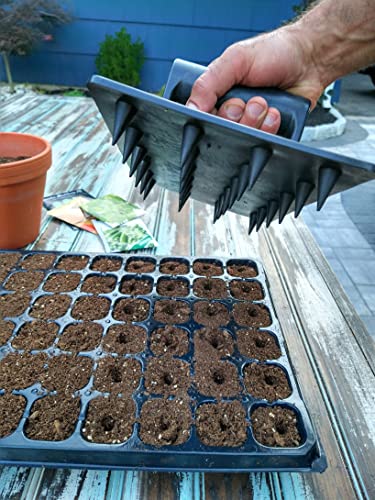
Efficiently start seeds indoors by creating perfect planting holes in 72-cell seed trays

🌱【Durable And Sturdy Material】 - FLORA GUARD Dibber is made of thickened high quality durable stainless steel pointy spike, which can easily pierce the ground and punch deep holes, and will not bend even when encountering hard obstacles. When planting tiny seedlings or flower bulbs in the ground, it is very important to do so at the proper depth. This bulb planting tool are great for quick and easy seeding or bulbing.

Precise Spacing for Better Growth - This seed spacers planting tool helps you mark evenly spaced seed positions and straight planting rows, giving plants more consistent room to grow while improving garden organization and reducing guesswork.
Providing Proper Care and Maintenance
When it comes to growing healthy carrots in Virginia, providing them with proper care and maintenance is crucial. Here are essential tips to help you nurture your carrot crop:
- Watering: Ensure your carrots receive consistent moisture, especially during dry spells. Avoid overwatering to prevent rotting.
- Mulching: Use organic mulch like straw or shredded leaves to retain soil moisture and reduce weed growth around your carrot plants.
- Soil Quality: Carrots thrive in loose, well-draining soil. Consider adding compost to improve soil structure and provide essential nutrients.
- Weeding: Regularly remove weeds that compete with your carrots for nutrients and water. Be gentle to avoid damaging the carrot roots.
By following these care and maintenance practices, you’ll promote healthy growth and increase your chances of a bountiful carrot harvest in Virginia.
Recommended Products

All-Natural & Clean Mulch —Sustainably sourced 100% non-GMO wheat straw is naturally filtered to remove dust, dirt, and as many seeds as possible for a clean, pure mulch.

Packaging May Vary: Same great Seeding Mulch with updated packaging!

ORGANIC PROCESSED STRAW With TACKIFIER – Premium Processed Straw with a bonding agent (Tackifier) that gives straw a tackiness which holds it together. This natural bonding agent is biodegradable and helps to protect grass seed from heavy washout and wind.
Harvesting and Enjoying Your Homegrown Carrots
Now that your carrots have grown healthy and ready for harvest, it’s time to enjoy the fruits of your labor. Follow these tips to make the most of your homegrown carrots:
- Timing is Key: Carrots are typically ready to harvest about 70-80 days after sowing seeds. Check for the appropriate size indicated for the variety you planted.
- Harvesting Technique: To harvest, gently loosen the soil around the carrot with a garden fork to avoid damaging the roots. Grasp the green tops near the root and pull straight up.
- Storage Tips: After harvesting, remove the foliage and store the carrots in a cool, dark place to maintain freshness. Consider using sand or peat moss to keep them crisp.
- Enjoying Your Carrots: Homegrown carrots are incredibly versatile. Enjoy them fresh in salads, roasted, steamed, or even in baked goods like carrot cake.
- Share Your Harvest: If you have a bountiful harvest, consider sharing your homegrown carrots with friends, family, or neighbors. It’s a great way to spread the joy of home gardening.
Conclusion
Growing carrots in Virginia requires attention to detail and following the right practices for successful cultivation. By focusing on proper care, maintenance, and harvesting techniques, you can enjoy a bountiful harvest of fresh, homegrown carrots. Remember to share your produce with others to spread the joy of gardening. Happy growing!
Frequently Asked Questions
1. Why is proper care essential for growing healthy carrots in Virginia?
Proper care ensures carrots receive adequate water, nutrients, and sunlight, promoting healthy growth and minimizing disease risks.
2. What watering tips are recommended for growing carrots in Virginia?
Water deeply and consistently to keep the soil evenly moist, especially during dry spells, to encourage long and straight carrot roots.
3. How does mulching help with carrot cultivation?
Mulching suppresses weeds, retains soil moisture, and regulates soil temperature, creating ideal growing conditions for carrots.
4. Why is soil quality crucial for successful carrot cultivation?
High-quality, well-draining soil rich in organic matter promotes strong root development and ensures nutrient uptake for healthy carrot growth.
5. How can growers tackle weed control in their carrot garden?
Regular weeding by hand or shallow cultivation helps prevent weeds from competing with carrots for essential nutrients and sunlight.
6. When is the optimal time to harvest carrots in Virginia?
Carrots are typically ready for harvest 60-80 days after planting, but exact timing depends on the carrot variety and desired size.
7. What are the recommended storage tips for freshly harvested carrots?
Store freshly harvested carrots in a cool, humid place or refrigerator to maintain freshness and crispness for an extended period.
8. How can home gardeners enjoy their freshly harvested carrots?
Enjoy homegrown carrots raw as snacks, in salads, or cooked in various dishes like soups, stews, and stir-fries for delicious and nutritious meals.
9. What is the community-based suggestion for sharing carrot harvests?
Share the bountiful carrot harvest with friends, family, or local food banks to spread joy and promote community involvement in home gardening.
