

Are you dreaming of plucking fresh, crunchy carrots straight from your own garden in Utah? Picture this: the satisfaction of growing your own vibrant veggies, knowing exactly where they came from. In this article, you’ll discover the secrets to cultivating delicious carrots in the unique Utah climate.
Have you ever struggled with getting your carrots to thrive in Utah’s soil and weather conditions? Don’t worry, you’re not alone. With our expert tips and tricks, you’ll soon be harvesting a bountiful crop of carrots that will make your neighbors green with envy.
Get ready to dive into a world of homegrown goodness as we guide you through the process of growing carrots in Utah. Say goodbye to store-bought veggies and hello to the joy of cultivating your very own carrots right in your backyard.
Choosing the Right Carrot Varieties
When selecting carrot varieties for your Utah garden, it’s essential to consider Utah’s unique climate and growing conditions. Here are some carrot varieties suitable for Utah gardens:
- Nantes: Known for its sweet flavor and cylindrical shape, Nantes carrots are a popular choice for Utah gardeners.
- Chantenay: Ideal for clay soils, Chantenay carrots have a robust flavor and are well-suited for roasting.
- Scarlet Nantes: These bright orange carrots are a favorite for their crisp texture and sweet taste.
When selecting carrot varieties, consider factors such as soil type, growing season, and desired taste. By choosing the right varieties, you’ll set yourself up for a successful carrot harvest in your Utah garden.
Recommended Products
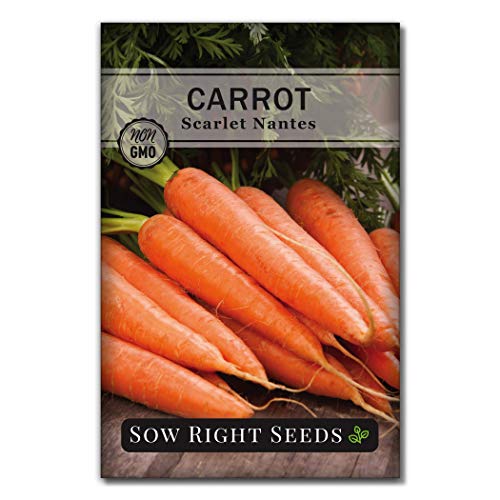
Beautiful - Full color packet of Scarlet Nantes Carrot (Daucus var. 'Scarlet Nantes') Seed. Bright red-orange, fine-grained brittle flesh that is nearly coreless with a fine very sweet flavor. Colors up early for little mini baby carrots. Minimum of 800 mg per packet (about 450 seeds).

Sweet Scarlet Nantes Roots - Grow orange, nearly coreless carrots with a tender bite and classic cylindrical shape. Harvest roots around 6-7 inches for fresh garden snacks, salads, roasting, soups and juicing.

Daucus Carota Sub. Sativus: These finest quality, non-GMO, organic Scarlet Nantes Carrot seeds produce sweet, red-orange carrots with a big crunch. Coreless with fine-grained flesh, they’re ideal for juicing, snacking and cooking.
Preparing the Soil in Utah
When preparing the soil for your carrots in Utah, ensure it’s loose and well-draining. Here are some steps to help you get started:
- Loosen the Soil: Break up any clumps and ensure the soil is light and friable.
- Remove Debris: Clear the area of rocks, sticks, and other debris that can impede carrot growth.
- Add Compost: Incorporate compost to improve soil fertility and structure.
- Check pH Levels: Aim for a pH level between 6.0 and 6.8, ideal for carrot cultivation.
- Avoid Fresh Manure: Carrots don’t fare well with fresh manure, so opt for well-aged compost instead.
Recommended Products

NUTRIENT-RICH GROWTH: Premium cow manure compost packed with nitrogen, calcium, and iron. This organic compost fertilizer enriches soil, boosts microbial life, and supports bigger vegetables, greener lawns, and thriving flowers.

Feed the soil not the plants - stimulate microbial activity in your soil and boost probability of success with all types of plants… like composting but faster

Organic compost starter speeds up the composting process and is ideal for outdoor compost piles
Ideal Planting Time
When growing carrots in Utah, timing is key. You’ll want to plant your carrot seeds in the early spring. As soon as the ground is workable and the soil temperature reaches around 50°F, you’re good to go.
Here are a few guidelines for planting carrots in Utah:
- Early Spring: Aim to plant seeds 2-3 weeks before the last frost date. Carrots thrive in cool weather and can withstand a light frost.
- Mild Fall/Winter: In Utah, you can also plant carrots in the late summer for a fall or winter harvest.
By understanding the ideal planting times, you can maximize the growth and development of your carrot crop.
Providing Proper Watering and Sunlight
When growing carrots in Utah, adequate watering and sunlight are crucial for a successful harvest.
- Watering: Carrots need consistent moisture to develop properly. Keep the soil evenly moist but not waterlogged.
- Sunlight: Select a planting location that receives at least 6 hours of direct sunlight daily for optimal growth.
Watering Tips:
- Water deeply: Ensure the soil is moist at least 1 inch below the surface.
- Avoid overwatering: Carrots may rot in waterlogged soil, so water wisely.
- Mulch: Mulching helps retain moisture and regulate soil temperature.
- Choose a sunny spot: Pick an area with ample sunlight for healthy carrot growth.
- Rotate crops: If possible, rotate where you plant your carrots each year to prevent diseases and ensure access to sufficient sunlight.
- Monitor closely: Keep an eye on your garden to ensure your carrots are getting enough sunlight throughout the day.
Remember, a well-thought-out watering and sunlight strategy is key to nurturing your carrot crop and enjoying a bountiful harvest.
Harvesting and Storing Carrots
When it comes to harvesting carrots, it’s essential to do so at the right time. Carrots are usually ready for harvest 60-80 days after planting. Here’s how you can tell if they’re ready:
- Look for a shoulder at the top of the carrot.
- Gently pull the carrot from the soil. It should come out easily if it’s ready.
To store your harvested carrots and keep them fresh for longer periods, follow these steps:
- Remove the carrot tops to prevent moisture loss.
- Brush off any excess dirt but avoid washing them.
- Store in a cool and humid environment, ideally in the refrigerator.
For longer-term storage, consider these methods:
- Root cellar: Store carrots in sand to keep them crisp.
- Freezing: Slice or dice carrots and freeze them for later use.
- Canning: Preserve carrots in jars for an extended shelf life.
By following these simple steps, you can enjoy your homegrown carrots well beyond the harvesting season.
Conclusion
Growing carrots in Utah can be a rewarding experience, from planting to harvesting. Remember to pay attention to the timing of your harvest, ensuring you pick them at their peak freshness. Proper storage is key to enjoying your homegrown carrots for an extended period. By following these simple steps, you can savor the sweet taste of your freshly grown carrots long after the growing season has passed. Happy gardening!
Frequently Asked Questions
When is the best time to harvest carrots?
Carrots are best harvested 60-80 days after planting. Look for a bright color and firm texture to determine readiness.
How can I store harvested carrots?
To maintain freshness, remove the tops and store carrots in a cool place like the refrigerator. For longer storage, consider root cellars, freezing, or canning.
How long can I enjoy homegrown carrots after harvest?
By following proper storage techniques, you can enjoy homegrown carrots well beyond the harvesting season.
