

Ever wondered how to grow delicious, homegrown carrots without breaking your back digging up the garden? Picture this: you’re dreaming of crisp, vibrant carrots straight from your backyard, but the thought of endless digging and weeding dampens your gardening spirit. What if I told you there’s a way to achieve carrot-growing success without all the back-breaking labor?
In this article, you’ll uncover the secrets of growing juicy carrots in a no-dig garden system. Say goodbye to sore muscles and hello to a bountiful harvest with minimal effort. Discover how this innovative approach not only saves you time but also nurtures healthier soil and produces tastier carrots. Get ready to transform your garden into a thriving carrot paradise effortlessly.
Benefits of No-Dig Garden System for Carrots
Healthier Soil
- Retains vital nutrients for carrot growth.
- Preserves the soil’s natural structure and integrity.
- Promotes a balanced ecosystem underground.
Reduced Weed Growth
- Less weeding work needed.
- Encourages carrots to thrive without competition.
- Saves you time and effort.
- Soil remains moist for longer periods.
- Ensures carrots get sufficient water.
- Saves on watering tasks.
- Supports a variety of beneficial organisms.
- Creates a sustainable ecosystem in your garden.
- Contributes to a healthier overall environment.
| Benefits | |
|---|---|
| Healthier Soil | Retains nutrients |
| Preserves natural structure | |
| Reduced Weed Growth | Saves time and effort |
| Encourages carrot growth | |
| Improved Moisture Retention | Soil remains moist |
| Ensures sufficient water | |
| Enhanced Biodiversity | Supports beneficial organisms |
| Creates a sustainable ecosystem | |
| Contributes to a healthy environment |
Selecting the Right Carrot Varieties
When selecting carrot varieties, consider factors like the climate in your area, desired maturity time, and flavor preferences. Different varieties thrive in various conditions, ensuring you choose ones best suited for your no-dig garden system.
Popular Carrot Varieties:
- Nantes: Known for its sweet flavor and cylindrical shape, ideal for no-dig gardens.
- Danvers: Great for heavier soils and clay due to its strong roots.
- Chantenay: Perfect for shallow soil, producing shorter and sweet carrots.
- Imperator: Long and slender carrots, requiring deeper soil for growth.
Consider the length and shape of the desired carrots, as well as whether you aim to eat them fresh or store them. Experiment with different varieties to find the perfect match for your no-dig garden and culinary preferences.
Recommended Products


REAL BEEF FIRST: BLUE Homestyle wet dog food features real beef as the #1 ingredient with garden vegetables in a hearty paté-style canned dog food with high-quality protein to help promote strong muscles

HEIRLOOM BABY CARROT VARIETY - Little Finger carrots are small but mighty, producing sweet, crisp roots just 3–4 inches long that are perfect for fresh snacking or gourmet meals
Preparing the Soil for Planting Carrots
To prepare the soil for planting your carrots, you’ll want to ensure it’s loose, well-draining, and free of rocks and debris. Here’s how to get your soil ready:
- Clear the Area: Remove any weeds, rocks, or other debris from the site where you plan to plant your carrots.
- Loosen the Soil: Use a garden fork to loosen the soil to a depth of at least 12 inches. This will help the carrots grow long and straight.
- Add Compost: Mix in 2-3 inches of compost to improve soil fertility and structure. Carrots thrive in nutrient-rich soil.
- Avoid Heavy Fertilizers: Carrots do not like fresh manure or heavy fertilizers. Opt for well-rotted compost instead.
- Check Soil pH: Carrots prefer a slightly acidic soil with a pH between 6.0 and 6.8. Test your soil and adjust if needed.
Now your soil is prepped and ready for planting delicious, homegrown carrots in your no-dig garden system.
Planting and Caring for Carrot Seeds in a No-Dig System
When planting carrot seeds in a no-dig garden system, it’s important to sow the seeds shallowly, only about 1/4 inch deep. This helps them germinate easily without expending excessive energy.
Carrots need consistent watering to ensure they grow straight and avoid becoming woody. However, be cautious not to overwater as this can lead to rotting of the seeds or roots.
To promote healthy growth, consider thinning out the carrot seedlings once they reach about 2 inches in height. This allows ample space for the remaining plants to develop properly.
Mulching around the carrot plants helps retain moisture in the soil and suppresses weed growth. Organic materials like straw or shredded leaves are excellent choices for mulching in a no-dig garden system.
You should harvest carrots when they have reached the desired size and color. Tender and sweet carrots are usually ready to harvest in 60 to 75 days after planting, depending on the carrot variety.
Pests & diseases like carrot rust fly and powdery mildew can affect your carrot crop. Keep an eye out for any signs of infestation and address them promptly to protect your plants.
Consider rotating your crops annually to prevent a buildup of pests and diseases that target carrots specifically. This practice can help maintain soil health and reduce the risk of issues in future plantings.
Incorporating these tips into your carrot-growing routine can lead to successful harvests of fresh, flavorful carrots from your no-dig garden system.
Recommended Products
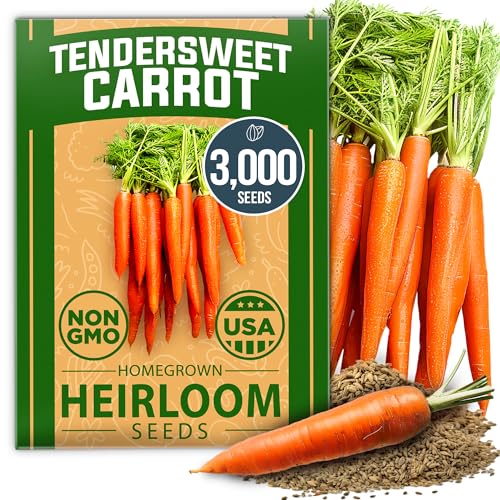
Premium Tendersweet Carrot Seeds: Authentic Open-Pollinated Premium Heirloom Seeds (USA) Non-GMO, Untreated, High Germination Rate. Phenomenal dessert Brix profile. High-impact carotene energy. An outstanding orange monolith for open ground, high ridges, and patio containers. Your garden bed is your pride.

Beautiful - Full color packet of Kuroda Carrot Seed (Daucus var. 'Kuroda'). Deep orange Asian carrot, smooth with a stubby wedge shape and blunt tip. More tolerant of heat than most carrots. Excellent for juicing. Minimum of 800mg per packet (about 500 seeds).
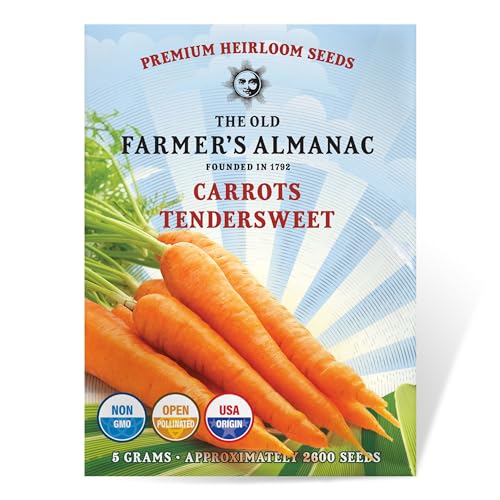
Premium Seeds: Tendersweet heirloom carrot variety offering approximately 2600 seeds for extensive garden planting and multiple growing seasons
Harvesting and Storing Your Homegrown Carrots
When it’s time to harvest your carrots, gently loosen the soil around the green tops. Grasp the greenery close to the carrot and pull slowly to avoid breaking them. For best flavor, harvest your carrots when they reach the desired size indicated for the variety you planted.
After harvesting, trim the green tops to about an inch above the carrot. Storing your carrots properly can keep them fresh for an extended period. For short-term storage, you can place them in the refrigerator in a perforated plastic bag to retain moisture. Long-term storage options include sand or sawdust-filled containers in a cool, dark place, like a root cellar or basement.
To check the quality of your stored carrots, regularly inspect them for any signs of softness, rot, or sprouting. Use any carrots showing these signs promptly to avoid them affecting the others in storage.
| Harvesting Tips | |
|---|---|
| Harvest by gently pulling near the green tops to avoid damage. | |
| Trim tops to 1 inch post-harvest. | |
| Store in perforated bags for short-term storage. | |
| Long-term storage in sand-filled containers in a cool, dark place. |
Remember, the joy of enjoying homegrown carrots lies not just in the harvesting but also in the safe and proper storage that allows you to relish the fruits of your labor long after harvesting season has passed.
Recommended Products


Meal Prep MVP - A practical and innovative way to dice, slice, julienne, grate or spiralize your vegetables and fruits. With the Ultimate Chopper/Slicer & Spiralizer, preparing your favorite dishes for your whole family is no longer a chore. Made with premium materials like grade 420 stainless steel blades and food-grade bpa-free materials, it's the perfect tool to make home cooked meals easier and faster.

【HOURGLASS FLIP DESIGN】The Luvan pickle jar with strainer flip is a great addition to any kitchen.No more hands digging out pickles from the jar.Just flip it over to drain,the juice go to the bottom and you can easily get fresh pickle or olives.Make sure to tighten the lid and then flip it back over to get the pickle back into the juice while keeping them fresh and crunchy.The filter in the pickle container is made of BPA-free, food-grade soft silicone and is ready to be removed and cleaned.
Conclusion
Now that you’ve learned how to harvest and store your homegrown carrots, you’re all set to enjoy the rewards of your efforts. Remember to handle your carrots with care during harvesting to prevent breakage. Trim the green tops and store them properly to maintain their freshness and flavor. Regularly check on your stored carrots to ensure they remain in good condition. By following these simple steps, you can savor your delicious homegrown carrots long after the harvesting season. Happy gardening and enjoy your bountiful harvest!
Frequently Asked Questions
How should I harvest my homegrown carrots?
To harvest homegrown carrots, gently loosen the soil around the green tops and pull them slowly to prevent breakage.
What should I do after harvesting my carrots?
After harvesting, trim the green tops of the carrots to prevent moisture loss.
How should I store my homegrown carrots for short-term storage?
For short-term storage, place the carrots in perforated bags in the refrigerator to maintain freshness.
How can I store my carrots for long-term storage?
For long-term storage, store carrots in sand-filled containers in a cool, dark place to extend their shelf life.
How can I check the quality of stored carrots?
Regularly inspect stored carrots for softness, rot, or sprouting to ensure they are still good to eat.
Why is proper storage important for homegrown carrots?
Proper storage helps maintain the quality of carrots post-harvest, allowing you to enjoy them long after the harvesting season.
