

Ever wondered how to grow fresh, crunchy carrots right in your own home? Imagine plucking vibrant orange carrots from a pot in your kitchen – no garden required! Picture the satisfaction of harvesting your homegrown produce. In this article, you’ll discover the secrets to successfully growing carrots in pots, even if you’re short on space.
Have you ever bought carrots from the store only to find them wilted and lackluster? You’re not alone. Growing your own carrots ensures a bountiful supply of flavorful, nutrient-rich veggies at your fingertips. Say goodbye to store-bought disappointments and hello to homegrown goodness. Ready to elevate your cooking with the freshest ingredients? Let’s get those carrot seeds sown and watch your mini garden thrive.
Choosing the Right Pot
When it comes to growing carrots in pots, selecting the right container is key to your plants’ success. Consider the following tips to ensure your carrots thrive:
- Size matters: Opt for a deep pot with at least 12 inches of depth to accommodate the carrot’s taproot.
- Drainage is crucial: Choose a pot with drainage holes to prevent waterlogging, which can cause root rot.
- Material choice: Porous containers like clay or terra cotta help with aeration and drainage, promoting healthy root growth.
- Consider mobility: If you plan to move your pots around, select lightweight materials like plastic or fiberglass.
By keeping these factors in mind, you’ll set your carrot plants up for success right from the start.
Recommended Products

Made with Recycled Materials: A blend of recycled plastic, stone powder, and wood dust, PSW Pots are eye-catching and long-lasting for mindful gardening.
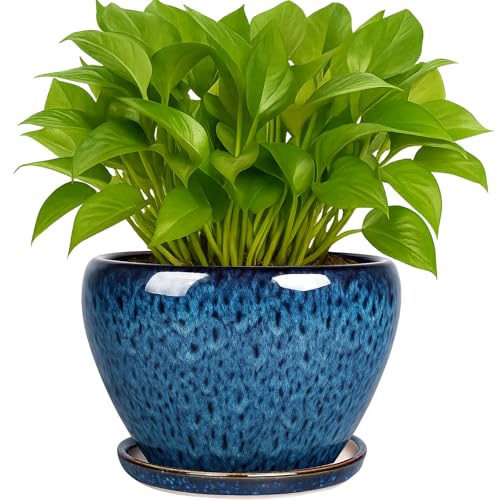
Modern Design: Our ceramic planter pot design with an attractive peacock blue color glaze, elegant appearance making it ideal for home decor, garden decor and office decor
Made with Recycled Materials: A blend of recycled plastic, stone powder, and wood dust, PSW Pots are eye-catching and long-lasting for mindful gardening.
Selecting the Perfect Carrot Variety
When it comes to choosing the right carrot variety for your pot, consider the following tips:
- Opt for shorter varieties like ‘Thumbelina’ or ‘Little Finger’ for shallow pots.
- Choose longer varieties such as ‘Nantes’ or ‘Imperator’ for deeper containers to accommodate their taproots.
Key Considerations
Here are some important factors to keep in mind:
- Soil Type: Ensure the soil is loose, well-draining, and free from rocks.
- Maturity Time: Select a variety that aligns with your desired harvest timeline.
Bonus Tip
Don’t forget to check the seed packet for specific growing instructions tailored to each variety.
Preparing the Potting Mix
To set your carrots up for success, the right potting mix is key. Follow these steps to ensure your carrots have a healthy environment to grow:
- Choose a high-quality potting mix that’s light, loose, and well-draining.
- Avoid garden soil as it can compact in containers, hindering carrot growth.
- Mix in some compost to provide nutrients for your carrots.
- Ensure the pot has drainage holes to prevent waterlogged soil, which can cause rot.
| Component | Ratio |
|---|---|
| Potting Mix | 60% |
| Compost | 30% |
| Perlite | 10% |
Recommended Products

NUTRIENT RICH & PLANT FOOD COMPATIBLE: Our tropical plant soil is full of living beneficial microbes. Enriched with essential nutrients, organic matter, and worm castings, this tropical potting soil works perfectly with Grow Queen Organic All-Purpose Plant Food for robust and healthy growth.
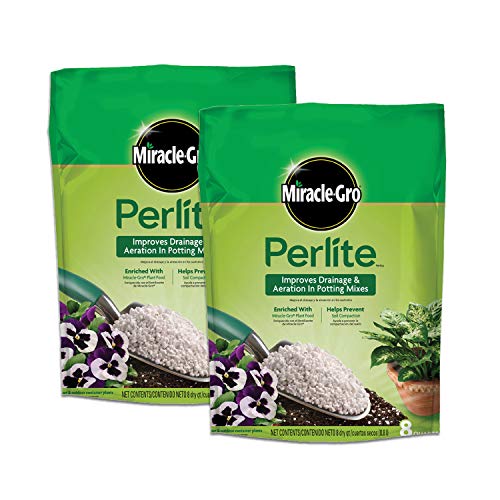
DRAINAGE AND AERATION: Miracle-Gro Perlite for plants improves drainage and aeration in potting mixes, and helps prevent soil compaction

Package Includes: You will get 4 quarts of coarse perlite, these are evenly sized and perfect for adding to potting soil for potted plants or as pavement for succulents to keep your plants looking nice and clean, it is essential for precise cactus mixes or carnivorous plant soils as it pulls water away efficiently
Planting Carrot Seeds
Selecting the Right Time:
- Plant carrot seeds in early spring or fall for optimal growth.
Preparing the Soil:
- Fill your pot with the recommended potting mix, compost, and perlite mixture.
Sowing the Seeds:
- Create shallow rows in the soil about 1/4 inch deep for planting the seeds.
- Place the seeds about 1/2 inch apart in the rows.
- Cover the seeds with a thin layer of soil and gently pat down.
- Keep the soil consistently moist but not waterlogged.
- Ensure the pot receives at least 6 hours of sunlight daily.
- Thin out seedlings when they reach 2 inches in height to avoid overcrowding.
- Carrots typically germinate in 1-3 weeks.
- Monitor soil moisture levels regularly and adjust watering as needed.
General Guidelines
| Aspect | Recommendation |
|---|---|
| Planting Depth | 1/4 inch |
| Seed Spacing | 1/2 inch apart |
| Sunlight | 6 hours daily |
| Germination Time | 1-3 weeks |
| Thinning Height | 2 inches |
Caring for Your Carrot Plants
So, you’ve planted your carrot seeds in pots, now what? Caring for Your Carrot Plants is crucial for a bountiful harvest. Here are some essential tips to keep in mind:
- Watering: Carrots need consistent moisture. It’s best to water them regularly to keep the soil moist but not waterlogged.
- Sunlight: Ensure your carrot plants get at least 6 hours of sunlight daily. Place them in a sunny spot or use grow lights if needed.
- Feeding: Consider applying a balanced fertilizer every few weeks to support healthy growth.
- Weeding: Keep your carrot pots weed-free to prevent competition for nutrients and water.
- Pest Control: Watch out for pests like carrot flies and aphids. Using row covers or natural repellents can help protect your plants.
- Thinning Out: Once your carrot seedlings are a few inches tall, thin them out to 1-2 inches apart to allow room for proper root development.
- Harvesting: Harvest your carrots when they reach the desired size, gently pulling them out to avoid damage.
Recommended Products

🍅【PREMIUM MATERIAL】Fabric raised garden bed is made of premium quality thickened non-woven fabric, designed with reinforced stitching, which is reusable and durable for long time use. With the plant grow bags, your plants will grow well in your balconies, backyards, terrance or patios.

Harvesting Your Homegrown Carrots
Growing your carrots in pots has been a fulfilling journey. Now it’s time to reap the rewards of your hard work. Here’s how you can harvest your homegrown carrots:
- Timing is Key: Carrots need around 70-80 days to mature after planting. Check the seed packet for specific information.
- Size Matters: Harvest carrots when they reach a diameter of about 1 inch. This size ensures optimal flavor and tenderness.
- Loosen the Soil: Before harvesting, gently loosen the soil around the carrot with a trowel or fork. This process makes pulling them out easier.
- Pulling Technique: Grasp the green tops close to the soil, then pull slowly and steadily. This method helps avoid breakage.
- Inspect Your Crop: Examine each carrot as you harvest to ensure they are firm and free from damage.
- Cut the Greens: Trim the green tops off the carrots immediately after harvesting. This step helps prolong the root’s freshness.
- Enjoy Your Homegrown Harvest: Congratulations on successfully growing and harvesting your carrots! Whether you cook them, use them in salads, or enjoy them raw, savor the fruits of your labor.
Conclusion
Now you’re all set to enjoy the fruits of your labor! Remember to harvest your homegrown carrots at the right time, handle them with care, and savor their fresh flavor in your favorite dishes. With these simple steps, you can have a successful and rewarding harvest of delicious carrots grown right in your own pots. Happy gardening and happy eating!
Frequently Asked Questions
When is the best time to harvest homegrown carrots from pots?
Harvest homegrown carrots after 70-80 days, when they reach a 1-inch diameter for the best flavor.
How should I pull out the carrots from the pot?
Loosen the soil around the carrot before gently pulling them out using a proper technique to avoid breakage.
What should I check for when harvesting carrots?
Inspect each carrot for firmness and quality before harvesting to ensure they are ready to be picked.
What should I do with the greens of the harvested carrots?
Trim the greens immediately after harvesting the carrots to help prolong their freshness and quality.
How can I enjoy the harvest of homegrown carrots?
Cook, use in salads, or enjoy raw the delicious homegrown carrots to savor the fruits of your labor.
