

Have you ever wanted fresh lettuce right at your fingertips? Growing Bibb lettuce in containers is a simple and rewarding solution. Whether you’re short on space or just prefer the convenience of container gardening, this leafy green is perfect for your patio or balcony.
Imagine stepping outside to snip off a few tender leaves for your salad. Not only does growing your own lettuce save you a trip to the grocery store, but it also offers a burst of flavor that store-bought varieties just can’t match. In this article, you’ll discover easy tips and tricks to help you cultivate healthy Bibb lettuce in containers, ensuring a bountiful harvest in no time.
Key Takeaways
- Bibb Lettuce Characteristics: Known for its mild flavor and compact growth, Bibb lettuce thrives in containers, perfect for limited spaces while yielding tender, sweet leaves.
- Container Selection: Choose containers that are 1-2 gallons in size with adequate drainage. Options like plastic, clay, and fabric pots each have distinct benefits for lettuce growth.
- Soil and Nutrients: Use a well-draining potting mix, ideally with a pH of 6.0 to 7.0, and apply balanced fertilizers every four to six weeks to promote healthy growth.
- Consistent Care: Maintain consistent soil moisture (about 1 inch per week), provide 6-8 hours of sunlight daily, and monitor for pests to ensure a thriving garden.
- Harvesting Techniques: Harvest Bibb lettuce when it reaches 4-6 inches in height using clean scissors to avoid damaging the plant, allowing continuous growth of inner leaves.
- Pest Management: Implement preventive strategies like crop rotation and companion planting to minimize pest issues, along with regular inspections for early detection.
Understanding Bibb Lettuce
Bibb lettuce, known for its tender leaves and sweet flavor, thrives in container gardens. Understanding its characteristics and benefits can enhance your growing experience.
Characteristics of Bibb Lettuce
Bibb lettuce features a loose, rosette shape with leaves that are soft and buttery in texture. Here are key characteristics:
- Flavor: Offers a mild, sweet taste ideal for salads.
- Color: Displays a vibrant green hue, sometimes with red tinges.
- Growth Habit: Grows compactly, making it suitable for smaller spaces.
- Leaf Size: Produces broad leaves that can reach up to 8 inches long.
- Growth Rate: Typically matures in about 60 to 70 days after planting.
Benefits of Growing in Containers
Container gardening presents unique advantages for growing Bibb lettuce. Consider the following benefits:
- Space Efficiency: Containers can fit on balconies, patios, or small gardens.
- Accessibility: Accessible planters allow for easier maintenance and harvesting.
- Soil Control: You control the soil quality, ensuring optimal nutrients for growth.
- Mobility: Move containers to ideal sunlight or shade conditions as needed.
- Pest Management: Elevated containers help deter pests and minimize disease spread.
By focusing on these areas, you can cultivate healthy Bibb lettuce with ease, maximizing your gardening efforts and enjoying fresh produce.
Choosing the Right Container
Selecting the right container is crucial for growing Bibb lettuce successfully. The container affects drainage, root development, and overall plant health. Keep these factors in mind when choosing your container.
Recommended Products

Sturdy Fabric Material: Our Non-Woven fabric grow bags are crafted using high-strength weaving technology, which allows the planting bags to remain lightweight while possessing an impressive ability to bear weight.

300G THICKENED FABRIC, BUILT FOR MULTIPLE SEASONS — 300 g/m² non-woven fabric (vs. 200 g/m² or thinner on entry-level bags), so the walls hold their shape when filled and resist tearing at the seams. Each empty bag weighs 4 oz — 16 oz for the 4-pack. Fold flat and store indoors over winter and they are built to be replanted season after season 3.

STURDY FABRIC MATERIAL: Our fabric grow bags are made of high-quality, thickened non-woven fabric and features reinforced stitching, which is breathable, reusable and durable for long time use. With the fabric planter , your plants will grow well in your balconies, backyards, terrance or patios.
Types of Containers
- Plastic Containers: Lightweight and affordable, plastic containers retain moisture well. Select ones with UV protection to prolong their lifespan.
- Clay Pots: Traditional and aesthetically pleasing, clay pots encourage air circulation. They tend to dry out faster, so monitor moisture levels closely.
- Wooden Planters: Durable and customizable, wooden containers hold soil well but require treatment to prevent rot. Ensure they’re lined with a waterproof material.
- Fabric Pots: Breathable and lightweight, fabric pots promote healthy root growth. Look for ones made from durable, odor-resistant material.
- Size: Choose containers that hold at least 1 to 2 gallons of soil per plant. A deeper container supports root growth, allowing Bibb lettuce to thrive.
- Drainage: Ensure containers have drainage holes to prevent root rot. If using pots without holes, add gravel or small stones to the bottom to improve drainage. When planting, mix potting soil with perlite or vermiculite for better aeration.
- Mobility: If you need to move your containers, select options with wheels or lightweight materials. This mobility allows for optimal sunlight exposure and easier maintenance.
Soil and Fertilizer Requirements
Bibb lettuce thrives in well-prepared soil and benefits from appropriate fertilization. Proper soil and nutrients ensure healthy growth and flavorful leaves.
Recommended Products


MasterBlend Lettuce Fertilizer Formula by PowerGrow Systems is fully Water Soluble

LEAFY GREENS FORMULA 8-15-36 POWDER — Engineered specifically for lettuce, kale, spinach, microgreens, and all leafy vegetables; very high potassium (36%) promotes crisp texture and extended shelf life while moderate nitrogen (8%) prevents leggy, weak growth
Ideal Soil Mix
Use a well-draining potting mix for growing Bibb lettuce. A good blend includes equal parts peat moss, compost, and perlite. This mix offers essential nutrients while supporting drainage and aeration. Aim for a pH range between 6.0 and 7.0 for optimal growth. You can also purchase pre-packaged soil specifically designed for container gardens, which often comes pre-mixed with nutrient additives.
Fertilization Tips
Fertilize your Bibb lettuce appropriately to encourage vigorous growth. Start with a balanced, water-soluble fertilizer, such as a 10-10-10 formulation. Apply fertilizer every four to six weeks, following the manufacturer’s instructions for dilution.
Follow these fertilization steps for best results:
- Mix the fertilizer with water according to the guidelines.
- Water the soil around the base of the lettuce plants, avoiding direct contact with the leaves.
- Monitor the plants for signs of nutrient deficiency, such as yellowing leaves or stunted growth. If needed, add a boost of fertilizer or a compost tea.
By providing the right soil mix and timely fertilization, you’ll cultivate thriving Bibb lettuce that enhances your salads with fresh flavor.
Planting Bibb Lettuce Seeds
Planting Bibb lettuce seeds requires careful attention to detail. Follow these guidelines for successful planting.
Seed Selection and Sowing
Select high-quality Bibb lettuce seeds, preferably from a reputable source. Look for varieties specifically labeled as “Bibb” to ensure you’re getting the right type. Start sowing seeds indoors around 4 to 6 weeks before the last frost date, or sow directly outdoors after the danger of frost has passed.
Scatter seeds evenly on the soil surface, spacing them about 6 to 12 inches apart. Use your fingers or a small tool to gently press the seeds into the soil. Cover seeds lightly with soil, ensuring they are not buried too deep. Water the area gently after sowing to keep the soil moist but not soggy.
Proper Planting Depth
Plant Bibb lettuce seeds at a depth of 1/4 inch to 1/2 inch. This depth ensures proper germination while protecting them from excessive moisture fluctuations. If seeds are too deep, they may struggle to break through the soil surface.
After planting, maintain consistent moisture in the container. Use a spray bottle for delicate watering to avoid disturbing the soil. Keep the container in a warm location, ideally between 65°F and 75°F, to promote quick germination, which typically occurs in 7 to 14 days.
Care and Maintenance
Maintaining your Bibb lettuce is essential for a thriving crop. Focus on watering and light conditions to help your plants flourish.
Recommended Products

🌻Efficient LED Combination: This LED lamp has grow lights made up of 80 efficient growing LEDs ( 32 red lights, 12 blue lights,20 yellow lights and 16 white lights). It meets the conditions of plant growth without sunlight. 1--Full Spectrum(380nm-800nm): Suitable for all plants to root and sprout. 2--Red(660nm)+BLUE(460nm) Spectrum: for blooming and fruits. 3--Red+Blue+Full Spectrum: A mix of Red+Blue+Warm White is best to fuel the growth of your plants.
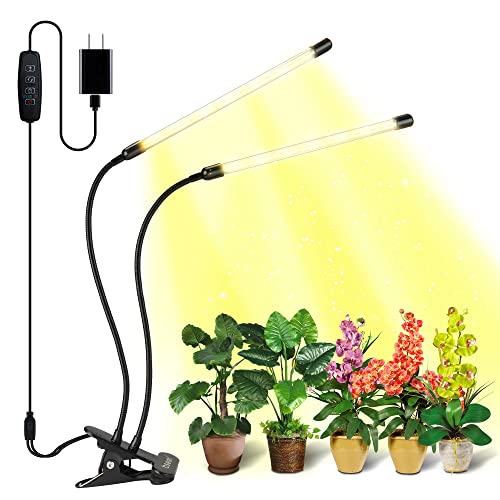
Full Spectrum LED with Yellow and White Combination: Bseah led grow light can promote photosynthesis, germination, growth, flowering and fruiting of plants.

Full-Spectrum LED Power: Mimics natural sunlight to support strong, steady growth for herbs, greens, and edible flowers.
Watering Guidelines
Water Bibb lettuce consistently to keep the soil evenly moist. Aim for about 1 inch of water per week, adjusting based on weather and container size.
- Check soil moisture by sticking your finger about an inch into the soil. If it feels dry, it’s time to water.
- Water early in the morning or late in the afternoon to minimize evaporation.
- If leaves begin to wilt or turn brown, adjust your watering routine. Overwatering can cause root rot; ensure proper drainage.
Light Requirements
Provide at least 6 to 8 hours of direct sunlight daily for optimal growth.
- Position your containers in a sunny location, like a south-facing balcony or patio.
- If natural sunlight is limited, consider using grow lights to supplement light exposure.
- Watch for signs of insufficient light, such as leggy growth or pale leaves, and adjust their placement accordingly.
By following these care tips, you enhance the chances of a successful Bibb lettuce harvest in your containers.
Common Pests and Diseases
Bibb lettuce is prone to pests and diseases that can hinder its growth. Identifying and managing these threats is essential for a healthy harvest.
Identifying Pests
Common pests include:
- Aphids: Small, soft-bodied insects that cluster on new growth. They suck sap, causing leaves to curl and yellow.
- Slugs and Snails: These creatures leave irregular holes in leaves and a slimy trail behind them. They tend to thrive in damp conditions.
- Leaf Miners: Larvae that burrow into leaves, leaving behind winding tunnels. Affected leaves may appear discolored or wilted.
- Whiteflies: Tiny white insects that congregate on the under sides of leaves. They harm plants by sucking sap and may spread diseases.
- Spider Mites: Tiny bugs that cause stippling and webbing on leaves. Mite infestations often occur in dusty conditions.
Preventive Measures
You can implement several strategies to minimize pest issues:
- Crop Rotation: Rotate your planting locations each season to disrupt pest life cycles.
- Companion Planting: Grow plants like marigolds or basil nearby. They can repel pests through their natural scents.
- Regular Inspections: Check your plants weekly for signs of pests or disease. Early detection can prevent larger problems.
- Physical Barriers: Use row covers or fine mesh to protect your lettuce from pests while allowing sunlight and water through.
- Proper Watering: Water in the morning to keep plants dry in the evening. This reduces the chances of diseases like downy mildew.
- Organic Insecticides: Consider using neem oil or insecticidal soap for pest control. These options are less harmful to beneficial insects.
Incorporating these practices helps you maintain a thriving Bibb lettuce container garden, ensuring enjoyable and healthy harvests.
Harvesting Bibb Lettuce
Harvesting Bibb lettuce is a rewarding experience. Knowing the right timing and techniques ensures you enjoy the freshest flavors.
When to Harvest
Harvest Bibb lettuce when it reaches a height of 4 to 6 inches. Look for compact heads with tightly wrapped leaves. Optimal time for harvesting typically falls between 60 to 70 days after planting. Check for leaf size and thickness; once they feel firm and full, it’s time to harvest. For continuous production, consider harvesting outer leaves when they reach 3 to 4 inches, allowing inner leaves to grow.
How to Harvest Properly
Use a sharp, clean knife or scissors to cut the lettuce. Position the tool about 1 inch above the soil line, cutting through the stem. Avoid pulling the leaves, as this damages the plant. For a cut-and-come-again method, remove only the outer leaves, leaving the inner ones to continue growing. Place harvested leaves in a container lined with a damp paper towel to maintain freshness. Rinse the leaves gently before use to remove any soil or pests.
With these tips, you can enjoy a bountiful harvest of Bibb lettuce from your container garden.
Conclusion
Growing Bibb lettuce in containers is a rewarding experience that brings fresh flavors right to your kitchen. With a little care and attention you can enjoy tender leaves and vibrant greens throughout the growing season.
Remember to choose the right container and provide the necessary sunlight and water to keep your plants thriving. Regular maintenance and pest management will ensure you get the most out of your harvest.
As you enjoy your homegrown Bibb lettuce in salads and dishes remember that each bite is a testament to your gardening efforts. Happy gardening and enjoy your delicious harvest!
Frequently Asked Questions
What is Bibb lettuce and why is it beneficial to grow in containers?
Bibb lettuce is a variety known for its tender leaves and mild, sweet flavor. Growing it in containers is beneficial because it saves space, allows for easier maintenance, and provides fresher, tastier lettuce right at your fingertips.
How do I choose the right container for growing Bibb lettuce?
Select a container that is at least 1 to 2 gallons in size for each plant. Ensure it has drainage holes to prevent waterlogging and consider lightweight or wheeled options for easy mobility.
What type of soil is best for Bibb lettuce in containers?
A well-draining potting mix is ideal for Bibb lettuce. A blend of equal parts peat moss, compost, and perlite is recommended, with a pH range of 6.0 to 7.0 for optimal growth.
How often should I water my Bibb lettuce?
Bibb lettuce requires about 1 inch of water per week. Regularly check the soil moisture to ensure it remains consistently moist, but not waterlogged.
What sunlight conditions do Bibb lettuce plants need?
Bibb lettuce thrives with at least 6 to 8 hours of direct sunlight daily. If natural sunlight is inadequate, consider using grow lights to support growth.
How do I prevent pests from affecting my Bibb lettuce?
Prevent pests like aphids and slugs by practicing crop rotation, companion planting, and regular inspections. Use physical barriers and organic insecticides if needed to protect your plants.
When is the best time to harvest Bibb lettuce?
Harvest Bibb lettuce when the leaves reach 4 to 6 inches tall, usually 60 to 70 days after planting. Use a cut-and-come-again method for ongoing harvests.
What is the best way to store harvested Bibb lettuce?
To store harvested Bibb lettuce, wrap the leaves in a damp paper towel and place them in a container or plastic bag. This helps maintain their freshness until you are ready to use them.
