

Have you ever dreamed of plucking juicy, sun-ripened tomatoes straight from your backyard? Picture this: the satisfaction of growing your own vibrant, flavorful tomatoes that elevate every dish they touch. If you’ve struggled to achieve tomato-growing success in the past, fret not! This article is here to guide you on your journey to cultivating amazing tomatoes right at home.
Key Takeaways
- Select tomato varieties based on climate compatibility and flavor preferences for a successful harvest.
- Ensure optimal growing conditions by preparing well-draining soil, providing adequate sunlight, and maintaining consistent moisture levels.
- Plant tomatoes after the last frost date, spacing them 18-24 inches apart with proper support structures like stakes or cages.
- Fertilize tomato plants with a balanced fertilizer, monitor for pests and diseases, and practice crop rotation to maintain plant health.
- Harvest ripe tomatoes by checking coloration and firmness, store them at room temperature with stems up to preserve flavor.
Selecting the Right Tomato Varieties
When it comes to selecting the right tomato varieties for your garden, there are a few key factors to consider that can significantly impact the success of your harvest.
Recommended Products

Beautiful - Variety Pack: Six large individual packets of Black Cherry, Large Red Cherry, White Cherry, Yellow Pear, Orange Cherry, and Bi-Color Cherry tomato seeds. A rainbow of delicious small tomatoes that will delight your taste buds. Minimum of 100 mg per packet (about 45 seeds).

Heirloom Vegetable and Fruit Seeds: Grow your garden with non-GMO tomato, pepper, cucumber, carrot, lettuce, zucchini, and more seeds for home gardening, container gardening, and beginners to add variety and transform your garden into a lush, bountiful haven for indoor and outdoor planting

Name: Red Cherry - Large Tomato | Type: Heirloom Indeterminate
Consider Climate Compatibility
To ensure successful tomato growth, it’s crucial to consider the climate in your region. Different tomato varieties thrive in specific climates, so choosing ones that are well-suited to your local conditions is essential. For instance, if you live in a hot and dry climate, opt for heat-tolerant varieties like Sun Gold or Roma tomatoes. On the other hand, if you’re in a cooler climate, go for cold-tolerant types such as Early Girl or Siberian tomatoes.
Explore Flavor and Usage
Another important aspect to consider when selecting tomato varieties is their flavor profile and intended use. Are you looking for tomatoes with a sweet taste ideal for salads and snacking? In that case, cherry tomatoes like Sweet 100 or Sungold are excellent choices. If you prefer tomatoes for sauces and canning, San Marzano or Amish Paste tomatoes are popular options due to their meaty texture and rich flavor.
By carefully considering climate compatibility and flavor preferences when choosing tomato varieties, you can set yourself up for a bountiful harvest of delicious homegrown tomatoes tailored to your specific needs.
Essential Growing Conditions
To ensure your tomato plants thrive and yield amazing tomatoes, it’s crucial to pay attention to the essential growing conditions. Here’s what you need to know:
Recommended Products

【Deep penetration long Soil Moisture and PH Tester】the 295 mm longer probe sensor allows deep penetration into the soil, is specially designed for measuring water and soil at the root level. The longer and slender 295mm electrode allows for deep penetration into the soil; providing comprehensive measurements; With a waterproof metal electrode/probe and durable construction.

WORRY-FREE ONE YEAR WARRANTY: We provide 1 Year Warrantee for our products. If there was any quality problem, we can resend a new one for you.
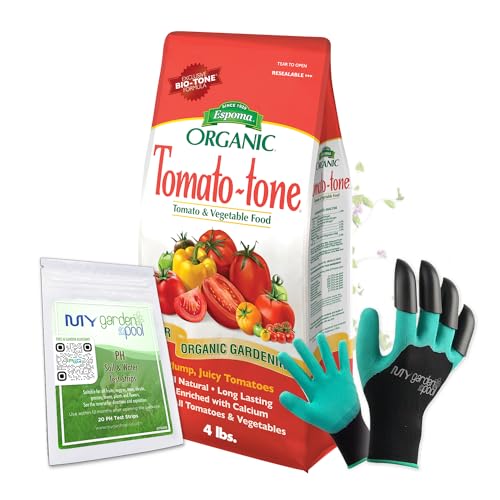
🍅 Organic Nutrient Boost: Espoma TO4 Organic Tomato-Tone 3-4-6 provides the perfect organic nutrient boost specifically designed for tomatoes, promoting healthy growth, vibrant foliage, and bountiful harvests.
Soil Preparation
Prepare your soil well before planting your tomato seedlings. Aim for well-draining soil rich in organic matter. You can achieve this by mixing compost or aged manure into the soil. A pH level between 6.0 and 6.8 is ideal for most tomato varieties, ensuring optimal nutrient uptake.
Sunlight and Water Requirements
Tomatoes love sunlight; they need at least 6-8 hours of direct sunlight daily for healthy growth and fruit production. Ensure your plants are placed in a spot with ample sunshine exposure throughout the day. When it comes to watering, aim for consistent moisture levels in the soil without overwatering. Tomatoes generally require about 1-2 inches of water per week, depending on weather conditions.
Planting Techniques
When it comes to planting your tomato plants, timing and spacing are crucial factors to consider. Properly timing your planting ensures that your tomatoes have the best chance of thriving, while adequate spacing allows each plant to receive sufficient nutrients and sunlight.
Timing and Spacing
Plant your tomatoes after the last frost date in your area. This typically means planting them in late spring when the soil has warmed up. Ensure you space your tomato plants at least 18-24 inches apart in rows that are 3-4 feet apart. This spacing provides ample room for each plant to grow without overcrowding.
Staking and Supporting Tomatoes
Staking or supporting your tomato plants is essential to help them grow upright and prevent their branches from breaking under the weight of the fruit. You can use stakes, cages, or trellises for support. Stake individual plants at planting time or install cages around them shortly after transplanting. Make sure the support structure is sturdy enough to withstand strong winds and hold the weight of mature plants laden with fruit.
By following these planting techniques, you’ll set your tomatoes up for success by ensuring they have the right environment to flourish and produce an abundant harvest.
Maintenance and Care
Caring for your tomato plants is essential to ensure a successful harvest. Here’s how you can maintain and care for your tomato plants effectively.
Fertilizing for Optimal Growth
Fertilizing your tomato plants is crucial for their optimal growth and fruit production. You should consider using a balanced fertilizer with equal parts nitrogen, phosphorus, and potassium. A popular option is a 10-10-10 fertilizer, which provides all three essential nutrients. It’s recommended to fertilize your tomato plants when transplanting them into the garden and then continue every 3-4 weeks throughout the growing season. Remember not to over-fertilize as it can lead to excessive foliage growth at the expense of fruit development.
Pest and Disease Management
To protect your tomato plants from common pests and diseases, it’s important to implement preventive measures early on. One effective method is crop rotation, where you avoid planting tomatoes in the same location year after year. Additionally, regularly inspect your plants for signs of pests like aphids, hornworms, or whiteflies, and promptly remove any affected leaves or insects by hand. Consider using organic pesticides or insecticidal soaps as a natural alternative to chemical treatments if pest infestations occur. Proper spacing between plants can also help improve air circulation and reduce the risk of fungal diseases such as blight.
Harvesting and Storage Tips
Knowing When to Harvest
To determine the perfect time for harvesting your tomatoes, look for signs of ripeness. A ripe tomato should have vibrant coloration and yield slightly to gentle pressure when squeezed. It’s essential to pick tomatoes at their peak ripeness to enjoy the best flavor.
Best Practices for Storing Tomatoes
After harvesting, store your tomatoes properly to maintain their freshness and taste. Avoid refrigerating them as it can affect the flavor and texture. Instead, keep them at room temperature, away from direct sunlight, with their stems facing up. Check regularly for any signs of spoilage and use ripe tomatoes promptly for optimal taste in your dishes.
Conclusion
You now have all the tools you need to grow amazing tomatoes right in your own backyard. Remember to choose the right varieties, prepare your soil properly, and plant with care. Maintenance is key – from fertilizing to keeping pests at bay. Don’t forget about proper spacing and regular inspections. When it’s time to harvest, pick those juicy tomatoes based on color and texture for the best flavor. Store them at room temperature with stems facing up for freshness. Avoid refrigeration and be sure to check for spoilage regularly. With these tips in mind, you’ll soon be enjoying delicious tomatoes in your favorite dishes!
Frequently Asked Questions
What are the key points covered in the article about cultivating flavorful tomatoes at home?
The article covers selecting tomato varieties, soil preparation, planting techniques, maintenance tips like fertilization and pest control, proper spacing, inspection, harvesting tips based on ripeness indicators like color and texture. It also emphasizes storing tomatoes at room temperature with stems up for freshness.
How should I choose suitable tomato varieties for home cultivation?
Select tomato varieties based on your preferences for flavor and use (e.g., slicing or sauce). Consider factors like growing season length, disease resistance, and climate suitability to ensure successful cultivation.
Can you provide some insights into soil preparation for growing tomatoes?
Prepare well-draining soil rich in organic matter by incorporating compost or aged manure. Aim for a slightly acidic pH level around 6.0-6.8 to support healthy tomato plant growth.
What are some effective planting techniques for tomatoes?
Plant tomatoes in a sunny location with at least 6-8 hours of sunlight daily. Space plants according to their mature size to promote air circulation and reduce disease risks.
How can I maintain my tomato plants effectively?
Maintain healthy tomato plants through regular watering to keep the soil consistently moist but not waterlogged. Fertilize as needed based on plant growth stages and address pests promptly using organic or chemical controls.
When is the best time to harvest tomatoes for optimal flavor?
Harvest ripe tomatoes when they reach peak ripeness indicated by vibrant color and slightly soft texture. Avoid refrigeration; store them at room temperature with stems up to preserve freshness and taste.
Any tips on storing harvested tomatoes properly?
After harvest, store ripe tomatoes at room temperature away from direct sunlight with stems facing up to prevent bruising. Regularly inspect stored tomatoes for spoilage signs like mold or soft spots to maintain quality.
