

Ever thought about growing your own lettuce? It’s a rewarding way to add fresh greens to your meals and it’s easier than you might think. Whether you have a sprawling garden or just a small balcony, you can enjoy the satisfaction of harvesting your own crisp, delicious lettuce.
In this article, you’ll discover simple steps to help you grow a healthy head of lettuce. From choosing the right variety to understanding the best growing conditions, you’ll find everything you need to know. Get ready to impress your friends and family with homegrown salads that are not only tasty but also packed with nutrients.
Key Takeaways
- Choose the Right Variety: Select lettuce types based on flavor, texture, and local climate, such as Leaf, Head, Romaine, or Batavia lettuce to match your preferences and growing conditions.
- Prepare the Soil: Ensure well-drained, nutrient-rich soil with a pH between 6.0 and 7.0. Incorporate organic matter and balanced fertilizers to enhance soil health and fertility.
- Optimal Planting Timing: Sow lettuce seeds in early spring or fall, ideally 2 to 4 weeks before the last frost. In warmer climates, year-round planting is possible with adequate shade.
- Consistent Care: Water regularly to maintain soil moisture, monitor for pests and diseases, and implement preventative measures to promote healthy plant growth.
- Harvest at the Right Time: Look for signs like size, color, and texture to determine when lettuce is ready for harvest; use clean tools to cut leaves and ensure proper handling after harvesting for maximum freshness.
- Storage Tips: Keep harvested lettuce cool in a shaded area and store it in a perforated bag in the refrigerator to maintain crispness, ensuring it remains fresh for about 5 to 7 days.
Choosing The Right Lettuce Variety
Choosing the right lettuce variety is key to growing a successful crop. Different types of lettuce offer unique flavors and textures, making selection important based on your culinary needs and local climate conditions.
Recommended Products

🥬 Classic French Butterhead Lettuce: Marvel of Four Seasons is a traditional French butterhead variety known for forming beautiful, firm round heads with tender buttery leaves and attractive bronze-tinged color. The compact plants grow quickly and produce crisp, mild greens that are perfect for fresh salads and garden meals. Gardeners appreciate this variety for its dependable head formation and attractive appearance in garden beds.

Award-Winning Butterhead Variety: Bibb lettuce produce tender, crunchy lettuce heads with rich green leaves. Salad lettuce heirloom seeds are slow to bolt and heat tolerant in USDA zones 2–10. These vegetables seeds perform well in spring and fall.
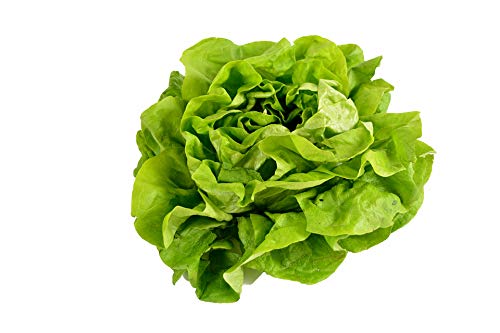
This lettuce is well known for its sweet flavor. Best if harvested in the morning.
Types Of Lettuce
- Leaf Lettuce: Leaf lettuce, including varieties like Romaine and Oak Leaf, features loose, tender leaves. These grow quickly and can be harvested multiple times.
- Head Lettuce: Head lettuce includes Iceberg and Butterhead. These varieties form dense heads and require more time to mature but provide crisp textures.
- Romaine Lettuce: Romaine lettuce has long, sturdy leaves and stands up to strong flavors, making it ideal for salads and wraps.
- Looseleaf Lettuce: Looseleaf lettuce grows with individual leaves rather than heads, allowing for continual harvesting. Varieties include Red Leaf and Green Leaf.
- Batavia Lettuce: Batavia lettuce, or French Crisp, combines traits of both leaf and head lettuce, featuring a crispy texture and a mild flavor.
- Buttercrunch: Buttercrunch thrives in various climates. Its buttery flavor and crisp texture make it popular for salads.
- Black Seeded Simpson: This variety offers fast growth and tolerates heat, making it great for warmer areas.
- Parris Island Cos: Parris Island Cos produces tall, crisp leaves. It performs well in both heat and cold, offering flexibility in growing seasons.
- Salad Bowl: Salad Bowl lettuce grows well in containers and garden beds. Its leaves are tender with a mild flavor, perfect for mixed salads.
- Red Romaine: Red Romaine provides visual appeal with its vibrant color. It holds up well in warm weather, delivering a robust flavor.
Selecting the right variety based on these characteristics allows for a successful lettuce-growing experience tailored to your preferences.
Preparing The Soil
Preparing the soil is crucial for growing a healthy head of lettuce. Properly managed soil impacts germination, growth, and yield.
Recommended Products

Kindly NOTE: This soil tester can not be applied to test pH value of any other liquid. If the soil is too dry the indicator will not move, and water it before testing.

✅ 1Dial & 1 LCD Screen - Replace/install all 3 batteries each time. Put button to %RH/°F to - Turn On, and put to LIGHT to - Turn Off. Read the LCD results in 3-5 mins. (Not Water Moisture Meter, so, please don't test liquid)

3-in-1 Soil Tester: This meter can test soil moisture, light and pH value; You can switch modes with one button; It makes gardening and plantng more efficient
Soil Requirements
Lettuce thrives in well-drained, nutrient-rich soil. Aim for a pH level between 6.0 and 7.0 for optimal growth. Compacted soil hinders root development, so it’s important to loosen it before planting. You can use a garden fork or tiller to aerate the soil. Ensure it holds moisture but drains excess water to prevent root rot. Adding organic matter improves soil structure and fertility.
Amendments And Fertilizers
Incorporate amendments to enhance soil quality. Compost provides essential nutrients and boosts beneficial microbial activity. Use about 2-4 inches of compost mixed into the top 12 inches of soil. If needed, supplement with balanced fertilizers, like a 10-10-10 NPK mix, according to package guidelines. Fertilize the soil before planting and once more when the lettuce is a few inches tall. Organic options, such as fish emulsion or bone meal, also work well.
By following these soil preparation steps, you’ll create the ideal environment for your lettuce to flourish.
Planting Your Lettuce
Planting lettuce is a straightforward process that begins with timing and technique. Following these guidelines ensures a successful harvest of crispy, fresh greens.
When To Plant
Lettuce thrives in cool weather, making early spring and fall the ideal times for planting. Aim to sow seeds 2 to 4 weeks before the last frost date in spring. For a later harvest, consider planting again in late summer for a fall crop. In warmer climates, you can plant year-round, ensuring you provide some shade during the hottest months.
How To Sow Seeds
Sowing lettuce seeds is simple.
- Prepare the soil by loosening it to a depth of 12 inches.
- Create shallow rows spaced 12 inches apart.
- Scatter seeds along the rows at a depth of 1/4 to 1/2 inch.
- Cover seeds lightly with soil and gently water them.
- Thin seedlings to 6 to 12 inches apart once they reach about 2 inches tall.
Using a fine spray while watering prevents displacing seeds and supports even germination. Consider starting seeds indoors in seed trays if you want to extend the growing season or have limited outdoor space. Transplant seedlings when they develop a few leaves and outdoor conditions are favorable.
Caring For Your Lettuce
Caring for your lettuce involves attention to watering, pest management, and disease prevention. Proper care ensures vibrant growth and a bountiful harvest.
Watering Needs
Watering plays a vital role in lettuce care. Lettuce prefers consistent moisture, so keep the soil damp but not soggy.
- Frequency: Water every 3 to 7 days, depending on weather conditions. On hot days, you may need to increase watering.
- Amount: Apply about 1 inch of water per week. This includes rainfall, so monitor the drainage.
- Method: Use a soaker hose or drip irrigation to minimize water on the leaves to reduce disease risk.
Pest And Disease Control
Effective pest and disease control helps keep your lettuce healthy. Pay attention to common threats and take action early.
- Pests: Watch for aphids, slugs, and rabbits. Use barriers like floating row covers to deter pests or handpick them off the plants.
- Diseases: Leaf spots and downy mildew can affect lettuce. Plant in well-ventilated areas and avoid overhead watering to reduce humidity around the leaves.
- Preventative Steps: Rotate crops each year and remove any debris in the garden to minimize the risk of disease.
By focusing on these care aspects, you promote healthy growth and ensure delicious, homegrown lettuce.
Harvesting Lettuce
Harvesting lettuce at the right time ensures optimal flavor and texture. Knowing when and how to pick your lettuce can greatly enhance your salad experience.
Signs Of Readiness
Check for several signs to determine if your lettuce is ready for harvest:
- Size: Leaf lettuce varieties are ready when the leaves grow to about 6 to 8 inches long. Head lettuce, like Iceberg, should form a firm, tight head.
- Color: Vibrant green or rich red leaves indicate freshness. Look for consistent coloring across the plant.
- Texture: Leaves feel crisp and firm. If they start to wilt or become rubbery, harvest immediately.
- Time Frame: Generally, leaf lettuce takes about 30 to 45 days to mature, while head lettuce may take 60 to 80 days.
How To Harvest Properly
Follow these steps for a successful lettuce harvest:
- Use Clean Tools: Grab a sharp knife or garden shears. Ensuring cleanliness prevents disease spread.
- Cut Carefully: For leaf lettuce, cut individual leaves about 1 inch above the base. For head lettuce, slice the head off at the soil level.
- Handle Gently: Avoid bruising leaves during harvest. Place cut lettuces in a clean basket or container.
- Cool Quickly: Keep harvested lettuce in a cool, shaded spot until ready to rinse and enjoy. Quick cooling preserves crispness.
- Store Properly: Place washed lettuce in a perforated bag in the refrigerator. It stays fresh for about 5 to 7 days.
By recognizing readiness and mastering proper harvesting techniques, you can enjoy fresh, homegrown lettuce straight from your garden.
Conclusion
Growing your own lettuce is a fun and fulfilling way to add fresh flavors to your meals. With the right variety and a little care you can enjoy crisp greens right from your garden. Remember to pay attention to soil quality and watering needs as these are key to a healthy crop.
Don’t forget to harvest at the right time for the best taste and texture. You’ll impress your friends and family with delicious salads that you grew yourself. So grab those seeds and get started on your lettuce-growing adventure. Happy gardening!
Frequently Asked Questions
What are the benefits of growing my own lettuce?
Growing your own lettuce offers fresh, flavorful greens that enhance meals. It’s rewarding and lets you enjoy the satisfaction of producing your own food. Homegrown lettuce is often more nutritious and can be harvested at its peak freshness, improving both taste and health benefits.
Which lettuce varieties should I consider growing?
Consider growing Leaf Lettuce (like Romaine and Oak Leaf), Head Lettuce (such as Iceberg and Butterhead), and Looseleaf alternatives. Each type has unique flavors and textures, allowing you to customize your garden based on your taste preferences and local climate.
How do I prepare the soil for growing lettuce?
Lettuce thrives in well-drained, nutrient-rich soil with a pH of 6.0 to 7.0. Aerate compacted soil before planting and incorporate organic matter like compost to enhance fertility and structure. Balanced fertilizers can also be used to ensure healthy growth.
When is the best time to plant lettuce?
The optimal planting times for lettuce are early spring and fall. You can sow seeds outdoors when soil temperatures are suitable, or start seeds indoors to extend your growing season. This allows for a bountiful harvest.
What care does lettuce need during growth?
Lettuce requires consistent moisture, ideally watered every 3 to 7 days with about 1 inch of water weekly. Use drip irrigation to minimize water on the leaves. Additionally, monitor for pests and diseases, employing barriers or handpicking to manage them.
How do I know when my lettuce is ready to harvest?
Signs that lettuce is ready to harvest include size, color, and texture. Leaf lettuce typically matures in 30 to 45 days, while head lettuce takes 60 to 80 days. Harvest at peak freshness for the best flavor and quality.
What are the best harvesting techniques for lettuce?
When harvesting lettuce, use clean tools and cut carefully to avoid damaging the plant. Handle the lettuce gently, cool it quickly after harvesting, and store it properly to maintain freshness. These steps will ensure you enjoy the best quality greens.
