

Ever wondered how to save seeds from your lettuce? You’re not alone! Many gardeners find themselves with a bounty of lettuce and want to keep the cycle going without buying new seeds each season.
Key Takeaways
- Understand Seed Production: Select the right lettuce varieties and know their growth cycles to ensure efficient seed harvesting.
- Choose Open-Pollinated Varieties: Opt for types like Butterhead, Romaine, and Leaf Lettuce that thrive in your climate for reliable seed production.
- Monitor the Growth Stages: Track the germination, vegetative growth, bolting, flowering, and seed setting stages to time your harvest accurately.
- Harvest at the Right Time: Wait for flower heads to turn brown before collecting seeds, which typically happens 4-6 weeks after flowering.
- Proper Seed Extraction: Dry the seed heads thoroughly and gently rub them to release the seeds, separating them from chaff for better quality.
- Store Seeds Correctly: Use airtight containers in cool, dark places to maintain seed viability, with a shelf life of 4-5 years when stored properly.
Understanding Lettuce Seed Production
Lettuce seed production involves selecting the right varieties and understanding their growth cycles. Knowing these aspects ensures successful seed harvesting.
Types of Lettuce for Seed Production
You can choose from several types of lettuce for seed production. Common varieties include:
- Butterhead Lettuce: This type has a soft, buttery texture and a sweet flavor. Examples include Boston and Bibb.
- Romaine Lettuce: Known for its crisp leaves, Romaine is popular in salads. Varieties include Parris Island and Little Gem.
- Leaf Lettuce: These types come in many colors and textures. Popular choices include Red Leaf and Green Leaf.
Selecting varieties suited for your climate enhances seed production. It’s important to ensure they’re open-pollinated, which allows seed saving.
The Life Cycle of Lettuce
Understanding the life cycle of lettuce aids in planning. Lettuce typically follows these stages:
- Germination: Seeds sprout in about 7-14 days under optimal conditions.
- Vegetative Growth: This stage lasts 30-60 days, during which the plants grow leaves.
- Bolting: When temperatures rise, lettuce produces a flower stalk, signaling the shift to flowering.
- Flowering: Lasts about 2-4 weeks and leads to pollination.
- Seed Setting: Seeds develop about 1-2 months after pollination, maturing and drying on the plant.
Monitoring these stages allows you to time your seed collection accurately for the best results.
Harvesting Lettuce for Seeds
Harvesting lettuce for seeds requires careful selection and timing to ensure a successful yield. By understanding these essential steps, you can efficiently collect seeds from your lettuce plants.
Choosing the Right Lettuce Plants
Choose open-pollinated varieties for reliable seed production. Look for plants that are healthy, robust, and well-adapted to your climate. Butterhead, Romaine, and Leaf Lettuce varieties are excellent options. Select the best plants based on their growth, size, and disease resistance. Ensure you allow several plants to flower and produce seeds, as this increases genetic diversity.
Timing the Harvest
Timing is crucial for effective seed harvesting. Monitor your plants as they progress through their life cycle. Lettuce typically bolts when temperatures rise, usually in late spring or early summer. Watch for flowering stalks to emerge, signaling the plant is ready to produce seeds. Wait until the flowers fully develop into seed heads, which will change from green to brown. Harvest the seeds when they are fully dry, usually about 4-6 weeks after flowering, ensuring you collect them before they scatter.
Extracting Seeds from Lettuce
Gathering seeds from lettuce is straightforward. By following key steps, you’ll successfully extract seeds for future planting.
Drying the Lettuce Heads
Drying lettuce heads before seed extraction is essential. Start by cutting the entire seed head from the plant. Make sure it’s at least two weeks after flowering for maximum seed maturity. Place the heads in a dry, well-ventilated area away from direct sunlight. Use a paper bag or a mesh screen to avoid moisture buildup. Allow them to dry completely; this process can take 1-2 weeks. You’ll know they’re ready when they feel crispy to the touch.
Extracting Seeds from the Leaves
Once the lettuce heads are dry, it’s time to extract the seeds. Hold the dried seed head over a bowl or a sheet of paper. Gently rub or shake the head to release the seeds. You might find small chaff mixed in with the seeds, which is normal. For better separation, winnow the mixture by lightly blowing away the chaff. Store the clean seeds in an airtight container labeled with the variety and date. Keep them in a cool, dark place to ensure longevity.
Storing Lettuce Seeds Properly
Storing lettuce seeds properly is essential for ensuring their viability for future planting. By following specific protocols, you can maximize the shelf life of your harvested seeds.
Recommended Products

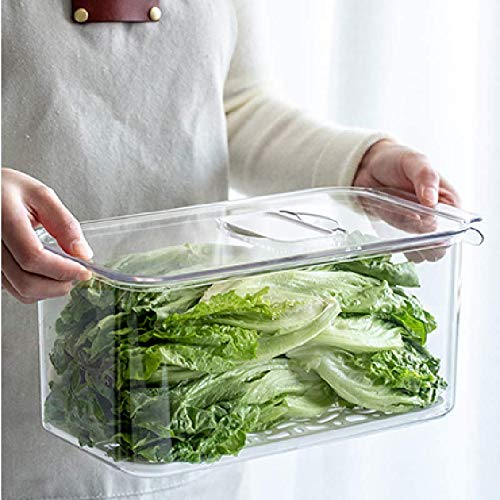
Keep your produce fresh for longer: The PrepSolutions Lettuce Keeper keeps your produce fresh with an adjustable air vent and water reservoir, creating the ideal environment for fresh fruits and vegetables. Item measures 12.5" W x 7.25" D x 5.25" H and weighs 1.14 lbs.

Airtight Seal Technology – Hinged lid with silicone gasket creates an airtight seal to keep flour, sugar, rice, and other dry goods fresh longer while preventing moisture and pests
Note: NOT dishwasher safe! NOT for microwave oven! Working celsius temperature -30℃~60℃,suitable for refrigerator and freezer.
Ideal Storage Conditions
Select a cool, dark place for storage. A temperature range of 32°F to 41°F (0°C to 5°C) works best. Use airtight containers like glass jars or vacuum-sealed bags to protect seeds from moisture and pests. Label each container with the variety and date of storage. Keeping them in a dry environment prevents mold growth and maintains seed quality.
Shelf Life of Lettuce Seeds
Understand that lettuce seeds typically last 4 to 5 years when stored properly. However, germination rates decline over time. Regularly test seeds for viability by performing a simple germination test—place a few seeds on a damp paper towel, then cover and keep them moist. Check for sprouts after 5 to 10 days. If a significant number germinate, the seeds remain usable.
Conclusion
Saving seeds from lettuce is a rewarding experience that not only helps you preserve your favorite varieties but also strengthens your gardening skills. By understanding the life cycle of lettuce and following the right steps for seed extraction and storage, you can ensure a bountiful supply for future seasons.
Remember to choose healthy plants and monitor them closely as they flower. With a bit of patience and care, you’ll enjoy the fruits of your labor for years to come. Happy gardening and may your lettuce seeds thrive!
Frequently Asked Questions
How can I save seeds from lettuce?
To save seeds from lettuce, select healthy, open-pollinated varieties. Allow the plants to flower during late spring or early summer, then collect the seeds about 4-6 weeks after flowering when they are fully dry. Cut the seed heads and let them dry in a well-ventilated area before extracting the seeds.
What types of lettuce can I save seeds from?
Butterhead, Romaine, and Leaf Lettuce are ideal for seed saving. It’s essential to choose open-pollinated varieties because they produce seeds that will grow true to type in your garden.
When is the best time to harvest lettuce seeds?
The best time to harvest lettuce seeds is when the flowers have fully developed into seed heads, typically 4-6 weeks after flowering. Monitor your plants carefully during this period, especially as they bolt in late spring or early summer.
How do I extract seeds from dried lettuce heads?
To extract seeds, cut the dried seed heads and rub or shake them over a bowl or sheet of paper. This method helps separate the seeds from the chaff. Make sure the seed heads are completely dry before extraction for best results.
How should I store lettuce seeds?
Store lettuce seeds in an airtight container and label them with the variety and date. Keep them in a cool, dark place, ideally between 32°F to 41°F (0°C to 5°C), to prolong their shelf life of 4 to 5 years.
How do I check the viability of my stored lettuce seeds?
To check seed viability, perform a germination test by placing a few seeds on a damp paper towel, covering them, and keeping them warm. After a week, check for sprouting. A good germination rate indicates healthy seeds for planting.
