

Have you ever wondered how to save seeds from your lettuce plants? If you’ve grown lettuce in your garden, you might’ve noticed those tall flower stalks that appear as the plants go to seed. It can feel a bit daunting if you’ve never done it before, but saving seeds is a rewarding way to ensure next year’s harvest.
Key Takeaways
- Understanding Lettuce Varieties: Familiarize yourself with different types of lettuce such as Butterhead, Romaine, Iceberg, Leaf, and Heritage varieties to improve your seed-saving success.
- Recognizing the Flowering Process: Learn to identify the bolting phase, where lettuce plants send up tall flower stalks, indicating that they are ready to produce seeds.
- Timing is Crucial: Harvest seeds 4 to 6 weeks after flowering when seed heads are dry and golden. Collect seeds early in the morning after dew has lifted for best results.
- Harvesting Techniques: Use scissors or garden shears to carefully cut mature seed heads and store them in paper bags to avoid moisture, ensuring quality seeds.
- Proper Drying and Storage: Ensure seeds are completely dry before storing them in a cool, dark place. Label containers to simplify future plantings and periodically check for moisture.
- Germination Best Practices: Sow lettuce seeds in early spring or late summer and maintain soil moisture for optimal germination, which typically occurs within 7 to 14 days.
Understanding Lettuce Plants
Lettuce plants go through unique stages that affect seed production. Familiarizing yourself with the types and flowering process helps in successfully harvesting seeds.
Types of Lettuce
Several lettuce varieties exist, each with distinct characteristics. Common types include:
- Butterhead Lettuce: Soft, round leaves with a sweet flavor. Popular types are Boston and Bibb.
- Romaine Lettuce: Tall, sturdy leaves ideal for salads. Examples include Cos and Parisienne.
- Iceberg Lettuce: Crispy and crunchy, often used in burgers and salads.
- Leaf Lettuce: Loose leaves that come in various colors and sizes, such as Red Leaf and Green Leaf.
- Heritage or Heirloom Varieties: Older varieties known for unique flavors and colors, often appreciated by gardeners.
Focusing on the type of lettuce you’re growing influences the seed collection process.
Flowering Process
The flowering process marks a crucial phase in lettuce plants, signaling the onset of seed production. As the weather warms up, lettuce plants may bolt, forming tall flower stalks.
- Bolting: It occurs when lettuce experiences stress, often due to heat. You’ll notice tall stems, typically growing above the leaves.
- Flower Development: Flower clusters (umbels) emerge on the stalks. The flowers are small, yellow, and attract pollinators like bees.
- Pollination: Lettuce is self-pollinating, meaning that each flower can fertilize itself, but cross-pollination can occur with nearby varieties.
- Seed Formation: After flowering, seed heads develop. Once they dry, you can gather the seeds for future planting.
Understanding these aspects prepares you for the process of saving seeds effectively.
Preparing Lettuce for Seed Production
Preparing your lettuce plants for seed production involves careful planning and observation. The right conditions and care enhance seed quality and yield.
Recommended Products

USDA Certified Organic by Oregon Tilth

Black Seeded Simpson is a classic heirloom loose leaf lettuce with large, tender green leaves and a mild, sweet flavor. Harvest fresh leaves for salads, sandwiches, wraps, and other homegrown meals.

4 Popular Heirloom Lettuce Varieties: Includes Red Romaine, Bibb Butterhead, Black Seeded Simpson, and Green Ice lettuce seeds to grow crisp, tender, and colorful salad greens with balanced flavor, texture, and visual appeal.
Choosing the Right Varieties
Choose lettuce varieties based on your climate and intended use. Leaf and Romaine types often produce seeds more readily, while Butterhead can be more challenging. Heritage varieties typically offer better adaptability and genetic diversity. Selecting the right type ensures you get seeds that thrive in your local conditions.
Timing for Seed Harvest
Monitor your plants closely as they begin to bolt, which usually occurs when temperatures rise. Timing is crucial; harvest seeds when the flower heads are dry and golden. This stage typically happens 4 to 6 weeks after flowering begins. Delay harvesting too long, as seeds may fall off or be dispersed by wind. Gather seeds early in the morning when dew is still present for optimal dryness.
Collecting Seeds from Lettuce
Gathering seeds from lettuce requires focus and timing. With the right approach, you’ll secure seeds for next year’s planting.
Recommended Products
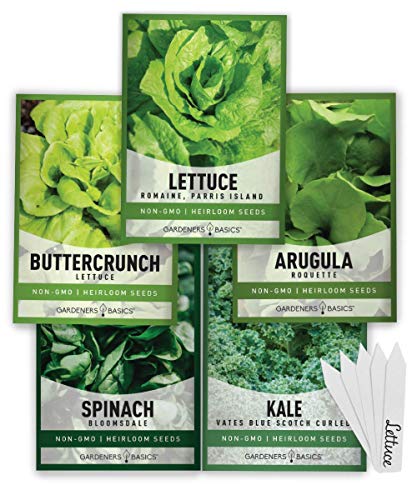
Five leafy greens varieties: Plant Parris Island romaine lettuce seeds, Buttercrunch lettuce seeds, Roquette arugula seeds, Vates Blue Scotch Curled kale seeds, and Bloomsdale spinach seeds. Includes 4,500+ seeds in five separate labeled packets.

YEAR-ROUND GARDEN FAVORITE – Dependable butterhead lettuce that thrives in cool or moderate weather for consistent harvests from spring through fall, even under cover in winter

Exceptional Germination Rates - Achieve a lush garden effortlessly with our Butter Crunch Lettuce seeds, boasting high germination rate. Ideal for both beginners and experienced gardeners, ensuring a successful harvest every time.
Identifying Mature Seed Heads
Observe the flower heads on your lettuce plants. Mature seed heads resemble fluffy, dandelion-like clusters. You’ll notice a change in color from vibrant yellow to brownish-gold as they mature. Each seed head contains numerous tiny seeds. Inspect them closely; their texture should feel papery and dry. Properly matured seed heads indicate readiness for harvest.
Harvesting Techniques
Choose the right tools for harvesting. Use scissors or garden shears to snip seed heads off the plant. Cut them just below the seed head to capture the maximum amount of seeds. Place the harvested heads into a paper bag or container—avoid plastic, as it traps moisture.
After harvesting, allow the seed heads to dry further if needed. Leave them in a warm, dry spot for several days. Once dry, gently rub the heads between your fingers to release the seeds. Collect seeds on a clean surface to avoid losing any. Store seeds in a cool, dark place in labeled envelopes or containers. This organization simplifies future planting.
Storing and Using Lettuce Seeds
Storing lettuce seeds properly ensures your next planting season is successful. Follow these steps for effective drying, storage, and germination.
Recommended Products

Keep your produce fresh for longer: The PrepSolutions Lettuce Keeper keeps your produce fresh with an adjustable air vent and water reservoir, creating the ideal environment for fresh fruits and vegetables. Item measures 12.5" W x 7.25" D x 5.25" H and weighs 1.14 lbs.

𝐊𝐞𝐞𝐩𝐬 𝐕𝐞𝐠𝐞𝐭𝐚𝐛𝐥𝐞𝐬 𝐅𝐫𝐞𝐬𝐡 𝐋𝐨𝐧𝐠𝐞𝐫: The Home-X salad keeper for refrigerator is designed to preserve the freshness of lettuce, broccoli, cauliflower, and more. It creates an ideal cold, moist storage environment to help your vegetables stay crisp and fresh for longer periods.

Freshness and Crispness: This vegetable and lettuce container maintains the natural humidity of your produce, keeping them fresh and crisp for longer. It's an excellent way to ensure that your vegetables don't go to waste and stay flavorful.
Drying and Storing
Dry seeds completely before storage. Place harvested seed heads in a warm, dry location for 1 to 2 weeks. Keep them out of direct sunlight to prevent damage. Once they’re fully dried, gently rub the seed heads to release the seeds.
Store the seeds in a cool, dark place. Use labeled envelopes or small containers that allow airflow. Avoid plastic to minimize moisture retention. Check your seeds periodically for signs of mold or moisture.
Germination Tips
For optimal germination, plant seeds during the appropriate season based on your climate. Generally, sow them in early spring or late summer. Lettuce seeds require light for germination, so sprinkle them on the soil surface without covering.
Maintain consistent moisture in the soil. Water lightly to keep the seeds damp but not soggy. If conditions are right, expect germination within 7 to 14 days. Thin seedlings to ensure they have enough space to grow once they reach a few inches tall.
Conclusion
Saving seeds from your lettuce plants can be a fun and fulfilling experience. With a little patience and attention to detail you can ensure a bountiful harvest for next season. By understanding the different types of lettuce and their unique seed production processes you’re setting yourself up for success.
Remember to keep an eye on those flower heads and harvest at just the right moment. Proper storage will keep your seeds viable and ready for planting when the time comes. Embrace the joy of gardening and enjoy the satisfaction of growing your own lettuce from seeds you’ve saved. Happy gardening!
Frequently Asked Questions
How do I know when my lettuce plants are ready to go to seed?
When lettuce plants go to seed, they develop tall flower stalks. This typically occurs when the plants bolt, often triggered by heat stress. Look for these striking flower stalks and clusters that attract pollinators, indicating the beginning of seed production.
What are the different types of lettuce, and how do they affect seed saving?
There are several types of lettuce, including Butterhead, Romaine, Iceberg, Leaf, and Heritage varieties. Each type affects seed-saving practices; for example, Leaf and Romaine types tend to produce seeds more readily, while Butterhead may require more care during seed collection.
When is the best time to harvest lettuce seeds?
The ideal time to harvest lettuce seeds is about 4 to 6 weeks after flowering begins. Monitor the flower heads closely and collect seeds when they are dry and golden to prevent them from falling off or scattering due to wind.
What tools do I need for harvesting lettuce seeds?
To harvest lettuce seeds, you will need scissors or garden shears to snip the mature seed heads. It’s also important to avoid using plastic containers for harvesting to minimize moisture retention, which can affect seed quality.
How should I store my harvested lettuce seeds?
Once harvested, allow the seed heads to dry in a warm, dry spot for 1 to 2 weeks. Store the seeds in a cool, dark place using labeled envelopes or containers that promote airflow, avoiding plastic to reduce moisture exposure.
What conditions are necessary for successful germination of lettuce seeds?
For optimal germination, plant lettuce seeds during early spring or late summer. Provide consistent moisture and light, as germination typically occurs within 7 to 14 days after planting. Make sure the seeds are well-dried before storage to ensure their viability.
