

Ever wondered why those pesky white spots keep invading your tomato plants? Picture this: you’ve nurtured your tomatoes with care, only to find them under attack by a mysterious white fungus. Fret not, as we’re here to guide you through banishing this unwelcome guest from your garden.
In this article, you’ll discover simple yet effective methods to combat white fungus on your tomato plants. Say goodbye to the frustration of watching your beloved crops succumb to this common issue. We’ll equip you with practical tips and tricks to restore your plants’ health and vitality.
Key Takeaways
- Identify white fungus on tomato plants by looking for white powdery patches, wilting, or yellowing leaves.
- Implement preventative measures like proper spacing, watering at the base, weeding, and pruning to avoid white fungus.
- Choose resistant tomato varieties labeled as disease-resistant or tolerant to fungal diseases like Powdery Mildew and White Mold.
- Treat white fungus with organic remedies such as neem oil, baking soda solution, milk spray, and sulfur sprays.
- Consider chemical fungicides like copper-based or sulfur-based fungicides for effective treatment of white fungus.
- Monitor and maintain healthy tomato plants by regularly inspecting for signs of white fungus, ensuring proper air circulation, watering at the base, mulching carefully, and pruning wisely.
Identifying White Fungus on Tomato Plants
When it comes to identifying white fungus on your tomato plants, paying attention to signs and symptoms is crucial. Understanding the common types affecting tomatoes can help you take appropriate action promptly.
Signs and Symptoms
White powdery patches on the leaves of your tomato plants are a telltale sign of white fungus. These patches may start small but can quickly spread, covering larger areas if left untreated. Additionally, look out for wilting or yellowing leaves, which indicate the presence of this fungal infection.
Common Types Affecting Tomatoes
Two common types of white fungus that affect tomato plants are Powdery Mildew and White Mold. Powdery Mildew appears as a powdery white substance on the leaves, stems, and fruits of the plant. On the other hand, White Mold presents itself as fluffy white growth on affected plant parts.
By being able to recognize these signs and symptoms along with understanding the types of white fungus that commonly affect tomatoes, you’ll be better equipped to address any issues promptly and effectively.
Preventative Measures to Avoid White Fungus
When it comes to preventing white fungus on your tomato plants, there are several key strategies you can implement. By focusing on cultural practices and selecting resistant varieties, you can significantly reduce the risk of white fungus affecting your precious tomatoes.
Recommended Products

High Yield Tomatoe Seeds : Roma VF tomato seeds for planting outdoors produce dense clusters of classic plum tomatoes with thick flesh and low moisture. Ideal tomato seed for tomato paste, sauces, and canning in home vegetable garden and raised beds.

PERFECT FOR SMALL SPACES – Tiny Tim’s compact plants thrive on patios, balconies, or sunny windowsills, giving you fresh cherry tomatoes even without a traditional vegetable garden plot
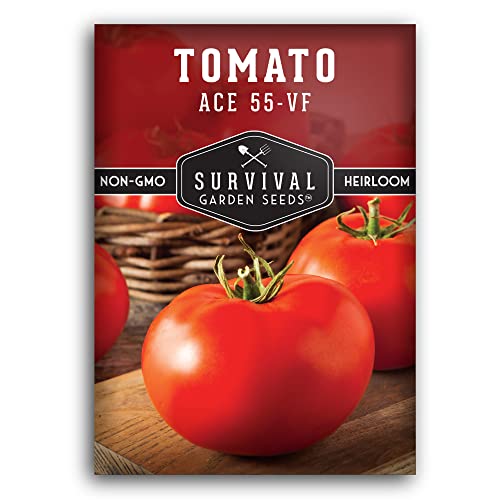
LOW ACID TOMATOES – Enjoy mild, low-acid fruits ideal for those sensitive to acidity; perfect for fresh eating, canning, or making smooth tomato sauces without bitterness
Cultural Practices
Implementing proper cultural practices is essential in preventing white fungus from taking hold of your tomato plants. Here are some practical tips to help you maintain a healthy growing environment:
- Spacing: Ensure adequate spacing between tomato plants to promote good air circulation, reducing humidity levels that favor fungal growth.
- Watering: Water your plants at the base early in the day to allow foliage to dry quickly, minimizing moisture accumulation that can encourage fungal development.
- Weeding: Keep your garden free of weeds that can harbor fungal spores and compete with tomato plants for nutrients and sunlight.
- Pruning: Regularly prune lower leaves and branches that may come into contact with the soil, as damp conditions increase the risk of fungal infections.
By incorporating these cultural practices into your gardening routine, you create an environment less conducive to white fungus development.
Choosing Resistant Varieties
Selecting tomato plant varieties that exhibit resistance to common fungal diseases like Powdery Mildew and White Mold can be a proactive step in preventing white fungus outbreaks. Look for tomato cultivars labeled as disease-resistant or tolerant to powdery mildew and other fungal pathogens.
Examples of resistant tomato varieties include ‘Defiant’, ‘Mountain Merit’, ‘Jasper’, and ‘Iron Lady’. These cultivars have been bred specifically for their ability to withstand various fungal infections, offering you added protection against white fungus on your tomato plants.
By opting for resistant varieties when planning your garden, you set yourself up for success by reducing the likelihood of encountering debilitating white fungus issues during the growing season.
Effective Treatment Options
When dealing with white fungus on your tomato plants, you have several effective treatment options to consider. Whether you prefer organic remedies or chemical fungicides, there are ways to address the issue and restore your plants’ health.
Recommended Products
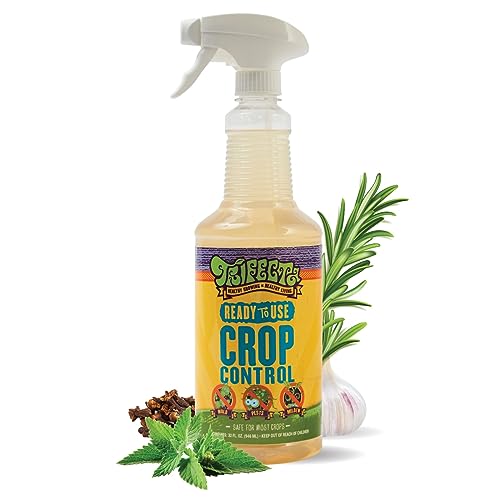
CROP, GARDEN & HOUSEPLANT INSECT CONTROL. Trifecta Crop Control all-natural, plant-based formula effectively combats destructive spider mites, aphids, whiteflies, fungus gnats, and other soft-bodied pests on indoor and outdoor plants. Our biodegradable, eco-friendly solution is safe for use on edible crops, without chemical residues. Our gentle yet potent plant spray suffocates and dehydrates pests without harming beneficial insects or the environment, making it ideal for organic gardening.

FOR ORGANIC GARDENING: Use in & around the home & home garden on roses, flowers, houseplants, ornamental trees & shrubs, fruits & vegetables

🌿 Controls Common Fungal & Bacterial Diseases Defend your plants from powdery mildew, botrytis, anthracnose, and more. Works on contact to stop foliar plant diseases before they spread.
Organic Remedies
For those looking for natural solutions, organic remedies can be a great choice to combat white fungus on tomato plants effectively. Here are some practical and eco-friendly options:
- Neem Oil: Apply neem oil spray to affected areas as it has antifungal properties that can help eliminate white fungus.
- Baking Soda Solution: Mix baking soda with water and a few drops of dish soap to create a spray that can prevent the spread of white fungus.
- Milk Spray: Diluted milk sprayed on the leaves can act as a natural fungicide, inhibiting the growth of white fungus.
- Sulfur Sprays: Sulfur-based sprays are effective in controlling fungal diseases like powdery mildew on tomato plants.
These organic remedies offer gentle yet potent ways to address white fungus issues without harsh chemicals.
Chemical Fungicides
If you opt for chemical solutions, there are various fungicides available that can effectively treat white fungus on tomato plants. Here are some common options:
- Copper-Based Fungicides: Copper fungicides work well against fungal diseases like powdery mildew and can be applied according to label instructions.
- Sulfur-Based Fungicides: Sulfur fungicides are another option for controlling fungal infections on tomatoes while being relatively safe when used correctly.
- Fungicidal Soaps: These soaps target powdery mildew and other fungal issues by disrupting their cell membranes, preventing further spread.
- Synthetic Fungicides: Certain synthetic fungicides like chlorothalonil can be effective but should be used cautiously following safety guidelines.
By choosing the right treatment based on your preferences and needs, you can effectively manage and eliminate white fungus problems on your valuable tomato plants.
Tips for Monitoring and Maintaining Healthy Tomato Plants
To ensure your tomato plants stay healthy and free from white fungus, here are some practical tips to help you monitor and maintain their well-being effectively.
Recommended Products
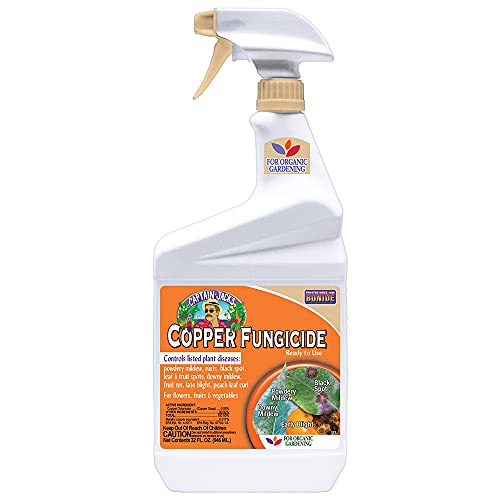
Control fungus and disease in your garden with Captain Jack’s ready-to-use Liquid Copper Fungicide!

Neudorff Copper Fungicide Controls Listed Plant Diseases: Powdery Mildew, Rusts, Black Spot, Leaf & Fruit Spot, Downy Mildew, Fruit Rot, Late Blight, Peach Leaf Curl and Other Listed Diseases.

3-IN-1 PLANT CARE: 3-In-1 Insect, Disease & Plant Mite Control provides insect control, disease control, and plant mite control all in one; Rainproof protection starts in 4 hours and lasts up to 14 days
Regular Inspection is Key
Regularly inspecting your tomato plants is crucial in catching any signs of white fungus early on. Look out for white powdery patches on the leaves, wilting, or yellowing foliage. By monitoring your plants frequently, you can detect issues promptly and take necessary action.
Proper Air Circulation
Providing adequate air circulation around your tomato plants can help prevent the development of white fungus. Ensure that your plants are not overcrowded and have enough space between them to allow for proper airflow. This simple step can significantly reduce the chances of fungal growth.
Water at the Base
When watering your tomato plants, it’s essential to water at the base of the plant rather than overhead. Wet foliage can create a favorable environment for fungal diseases to thrive. By watering at the base, you minimize moisture on the leaves, decreasing the risk of white fungus infections.
Mulch Carefully
Mulching around your tomato plants can help retain soil moisture and regulate temperature. However, be cautious not to overmulch as excessive moisture near the plant’s base can promote fungal growth. Maintain a proper mulch layer to support plant health without creating an environment conducive to fungi.
Prune Wisely
Pruning your tomato plants properly is essential for maintaining good airflow and reducing humidity levels—two critical factors in preventing white fungus infestations. Remove any affected or overcrowded branches to promote ventilation and discourage fungal spread among your plants.
By following these monitoring and maintenance tips diligently, you’ll be better equipped to keep your tomato plants healthy and thriving while minimizing the risk of white fungus affecting them.
Conclusion
By following the preventive measures and monitoring tips shared in this article, you can effectively combat white fungus on your tomato plants. Regular inspection, proper air circulation, watering at the base, careful mulching, and wise pruning are key practices to maintain plant health and prevent fungal growth. Remember to choose resistant tomato varieties and implement cultural practices to keep your plants thriving. With these strategies in place, you’ll be able to detect issues early on and ensure a healthy environment for your tomato plants. Keep up with these maintenance routines to enjoy a thriving garden free from white fungus troubles.
Frequently Asked Questions
How can I identify white fungus on my tomato plants?
Look for white powdery patches, wilting leaves, and yellowing foliage as common signs of white fungus on tomato plants.
How do I differentiate between Powdery Mildew and White Mold on tomatoes?
Powdery Mildew appears as a white powdery substance on leaf surfaces while White Mold presents as fluffy white growth with black specks inside the affected tissue.
What preventive measures can I take to protect my tomato plants from white fungus?
Implement cultural practices like proper spacing, watering at the base, selecting resistant tomato varieties, and ensuring good air circulation to prevent white fungus.
How can I monitor and maintain healthy tomato plants to avoid white fungus issues?
Regularly inspect your plants for any signs of diseases, provide adequate air circulation, water at the base of the plant, mulch carefully, and prune wisely to maintain plant health.
