

Have you noticed your pond or garden water getting choked by water lettuce? This pesky plant can quickly take over, blocking sunlight and harming fish and other aquatic life. It’s a common problem for many gardeners and pond owners, but the good news is that you can tackle it effectively.
Key Takeaways
- Identification and Characteristics: Water lettuce (Pistia stratiotes) is a fast-growing floating plant that can quickly dominate ponds, disrupting ecosystems and harming aquatic life.
- Invasive Nature: Considered invasive, water lettuce competes aggressively with native plants for sunlight and nutrients, leading to biodiversity loss and reduced oxygen levels in the water.
- Effective Removal Techniques: Manual methods such as hand-pulling, raking, and netting, along with targeted herbicide applications, are effective strategies for controlling water lettuce growth.
- Prevention Strategies: To prevent water lettuce growth, maintain water quality by monitoring pH levels, removing organic debris, and introducing competing native species like water lilies and cattails.
- Environmental Impact: The rapid growth of water lettuce can deplete oxygen levels and disrupt habitats for aquatic life, underscoring the importance of proper management.
- Ecological Benefits of Control: Managing water lettuce not only improves water quality and biodiversity but also rehabilitates habitats, promoting a healthier ecosystem.
Understanding Water Lettuce
Water lettuce is a floating aquatic plant known for its thick, spongy leaves and rapid growth. It can quickly occupy the surface of ponds, disrupting the ecosystem and presenting challenges for aquatic life.
What Is Water Lettuce?
Water lettuce (Pistia stratiotes) resembles a head of lettuce, with rosettes of soft, green leaves that can reach up to 12 inches across. These plants float freely on the water’s surface. They reproduce quickly through vegetative propagation, producing new plants from runners. Each plant can grow several new rosettes in ideal conditions, which can lead to dense mats covering water bodies.
Why Is It Considered Invasive?
Water lettuce is considered invasive due to its ability to grow unchecked in warm, nutrient-rich waters. Its rapid reproduction outcompetes native aquatic plants for sunlight and nutrients. This can lead to reduced biodiversity, as many native species struggle to survive. According to the U.S. Fish and Wildlife Service, water lettuce can choke waterways, impairing navigation and recreation. Its dense growth can also cause oxygen depletion, endangering fish and other aquatic organisms.
Methods for Removal
Getting rid of water lettuce requires effective techniques. Below are some proven methods to help you manage this invasive aquatic plant.
Recommended Products

LIVE PLANTS: Package includes 5 fresh water plants with vibrant green leaves and buoyant bulbs for immediate pond use
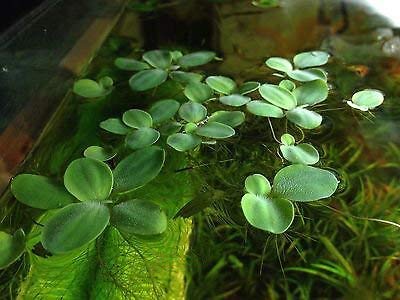
12 Dwarf Water Lettuce, Pistia stratiotes, Live Aquarium/Floating/Aquatic Plant

Pond Filter bag with Frame: Hecaty filter bag is built frame inside, all-round prevent debris to ensure water pump work high-efficiently.
Manual Removal Techniques
- Hand-Pulling: Wear gloves and carefully pull the water lettuce from the roots. Make sure to remove all plants to prevent regrowth.
- Raking: Use a long-handled rake to gather floating mats. This method is effective for large areas but requires physical effort.
- Netting: Use a pond net to scoop out water lettuce. This allows for selective removal of plants without disturbing other aquatic life.
- Physical Barriers: Position floating barriers or pads in the water. These can trap water lettuce and make collection easier.
- Herbicides: Use aquatic-safe herbicides specifically designed for floating plants. Follow the manufacturer’s instructions for application rates and safety precautions.
- Targeted Application: Apply herbicides directly to water lettuce patches instead of widespread spraying. This minimizes impact on surrounding plant life.
- Consult Professionals: If unsure, consider hiring a professional who specializes in aquatic vegetation management to safely apply chemicals.
Employing these methods ensures effective control of water lettuce while protecting your pond’s ecosystem.
Preventing Water Lettuce Growth
Preventing water lettuce growth requires attention to water quality and ecosystem balance. Implementing these strategies ensures a healthier environment for your aquatic space.
Recommended Products
![JNW Direct Pond Water Test Kit for Ponds - 7 in 1 Test Strips [50 Pack]](https://m.media-amazon.com/images/I/519faYrLemL._SL500_.jpg)
7-IN-1 POND TEST STRIPS: Keep your pond clear and your fish healthy with our 7-in-1 pond test kit. Test your pond water for hardness, carbonate chlorine, nitrite, free chlorine, pH, nitrate, and alkalinity

Professional Quality Testing Kit: The AAwipes Aquarium test kit (50 strips) is developed by experts for fish enthusiasts. It offers 8-in-1 testing capabilities, made with high-quality fiber paper and non-bleeding colors. The kit measures key parameters like Free Chlorine, Nitrate, Nitrite, Hardness, Sodium Chloride, Total Alkalinity, pH and Ammonia nitrogen. By identifying potential issues, our fish tank testing kit helps prevent hidden water problems and ensures the safety and well-being of your fish.

Contains one (1) API POND MASTER TEST KIT Pond Water Test Kit 500-Test, including 6 bottles of testing solution, 3 color cards and 4 test tubes with cap
Maintaining Water Quality
Maintain clear water to deter water lettuce. Regularly test and monitor pH levels, as water lettuce thrives in nutrient-rich water. Aim for a pH level between 6.5 and 7.5. Use the following tips for effective water quality management:
- Remove Debris: Regularly clean up organic matter like fallen leaves or grass clippings that can decompose and enrich the water with nutrients.
- Use Aeration: Install aerators in your pond or water feature. This improves oxygen levels, making it less hospitable for water lettuce.
- Limit Fertilizer Use: Avoid over-fertilization in nearby gardens. Fertilizers can wash into your pond during rain, increasing nutrient levels.
- Perform Regular Water Changes: Change about 10-20% of the water weekly to dilute nutrient concentrations.
Introducing Competing Species
Consider introducing competing species to outcompete water lettuce for resources. These species can occupy the space and limit sunlight, ultimately reducing growth. Examples of suitable species include:
- Water Lilies: These plants create shade, diminishing sunlight and limiting water lettuce’s growth potential.
- Cattails: These native plants improve the pond’s biodiversity while also competing for nutrients and space.
- Hornwort: This submerged plant absorbs nutrients directly from the water, reducing the available resources for water lettuce.
Select native species suited for your region, as they tend to thrive and establish better in local ecosystems. By fostering biodiversity, you contribute to a balanced environment that discourages invasive species like water lettuce.
Environmental Impact
Water lettuce significantly affects local ecosystems. Its rapid growth leads to the formation of dense mats, depriving other plants of sunlight. This dominance disrupts the natural balance, impacting both aquatic plants and animals.
Recommended Products

The Original And Best Selling Barley Straw Pond Treatment From Summit
API ACCU-CLEAR – Helps clear cloudy pond water of dirt, silt, and floating particles. Works quickly and improves the overall efficiency of your pond filter.

Contains one (1) API POND CHLORINE & HEAVY METAL NEUTRALIZER Pond Water Neutralizer 16-Ounce Bottle
Effects on Local Ecosystems
Water lettuce creates several issues for local ecosystems:
- Oxygen Depletion: Dense mats block sunlight, reducing photosynthesis among submerged plants. This results in lower oxygen levels, harming fish and other aquatic organisms.
- Habitat Alteration: The mats can alter habitat conditions for native species. Fish and invertebrates struggle to find shelter and breeding grounds, leading to decreased biodiversity.
- Reproductive Displacement: Water lettuce outcompetes native plants for nutrients and space. As a result, crucial species in the ecosystem face decline, disrupting food chains and ecological relationships.
Benefits of Control
Implementing control measures for water lettuce offers several ecological benefits:
- Enhanced Biodiversity: Removing water lettuce allows native plants to thrive, fostering a diverse ecosystem that supports various wildlife.
- Improved Water Quality: Control methods help restore oxygen levels, improving conditions for fish and other aquatic life.
- Rehabilitation of Habitats: By managing water lettuce, you create more suitable habitats for both plant and animal species. This action contributes to a robust and balanced ecosystem.
Effective management of water lettuce not only protects your pond environment but also encourages overall health and sustainability in local ecosystems.
Conclusion
Getting rid of water lettuce doesn’t have to be a daunting task. With the right approach and a bit of effort you can reclaim your pond or garden from this invasive plant. Whether you choose manual removal methods or opt for aquatic-safe herbicides it’s important to stay consistent and monitor your progress.
Remember that prevention is key. By maintaining a healthy ecosystem and introducing competing plants you’ll not only reduce the chances of water lettuce returning but also enhance the overall biodiversity of your aquatic environment. Enjoy the beauty of your pond and the vibrant life it supports by taking these steps today.
Frequently Asked Questions
What is water lettuce and why is it a problem?
Water lettuce (Pistia stratiotes) is a floating aquatic plant known for its thick, spongy leaves. It can rapidly cover water surfaces, blocking sunlight and disrupting the ecosystem. This invasive species harms fish and other aquatic life by limiting their access to light and nutrients, leading to oxygen depletion and reduced biodiversity.
How does water lettuce propagate?
Water lettuce reproduces quickly through vegetative propagation, meaning it grows new plants from existing ones. This fast growth can lead to dense mats that outcompete native plants for resources, worsening its impact on local ecosystems.
What are effective ways to remove water lettuce?
Water lettuce can be effectively managed through manual removal techniques like hand-pulling, raking, and netting. Additionally, using physical barriers to trap the plant for easier collection and applying aquatic-safe herbicides directly to patches can help control its spread without harming other aquatic life.
How can I prevent water lettuce from growing in my pond?
To prevent water lettuce, maintain water quality by regularly testing pH levels (ideally between 6.5 and 7.5), remove organic debris, limit fertilizer use, and perform regular water changes. Introducing competing species like water lilies and cattails can also help balance the ecosystem and discourage its growth.
What environmental impacts does water lettuce have?
Water lettuce can lead to oxygen depletion, alter habitats for native species, and disrupt food chains by outcompeting essential plants for resources. Its rapid growth creates dense mats that block sunlight, harming local ecosystems and reducing biodiversity.
Why is controlling water lettuce important?
Controlling water lettuce is crucial for enhancing biodiversity, improving water quality, and rehabilitating habitats. Effective management protects pond environments, promotes ecological health, and supports the well-being of fish and other aquatic life.
