

Ever found yourself staring at a broken tomato plant, wondering how to nurse it back to health? Picture this: you step into your garden, only to discover your prized tomato plant looking worse for wear. Don’t fret! In this article, you’ll uncover simple yet effective solutions to revive your beloved tomato plant and get it thriving again.
Have you ever felt the frustration of seeing your once-vibrant tomatoes struggling to survive? You’re not alone. With a few practical tips and tricks shared here, you’ll soon be on your way to restoring your tomato plant’s strength and vitality. By following these easy steps, you’ll be able to enjoy a bountiful harvest of juicy tomatoes in no time.
Key Takeaways
- Understand common issues with tomato plants, including broken stems and signs of distress like wilting leaves and yellowing foliage.
- Take immediate action by assessing the damage to the broken stem and providing initial support using soft garden tape or twine.
- Implement long-term solutions for broken tomato stems such as splinting techniques with small stakes and soft ties, as well as using plant supports like cages or trellises.
- Practice preventative measures like regular pruning to maintain plant health, choosing suitable stakes or cages for proper support, and promoting robust growth to minimize issues with broken stems in tomato plants.
Understanding Common Issues with Tomato Plants
If you’re dealing with a broken tomato plant, it’s essential to understand the common issues that can lead to this problem. By recognizing these signs of distress early on, you can take the necessary steps to help your plant recover and thrive. Let’s explore how to recognize broken stems and other indications of stress in your tomato plants.
Recognizing Broken Stems
When inspecting your tomato plant, look for stems that appear bent, cracked, or completely severed. Broken stems can occur due to various reasons such as strong winds, heavy rain, or accidental damage while tending to the plant. If you notice any broken stems, it’s crucial to act promptly to prevent further harm and allow the plant to heal.
Identifying Other Signs of Distress
In addition to broken stems, there are other visible signs that indicate your tomato plant is under stress. Keep an eye out for wilting leaves, yellowing foliage, stunted growth, or discolored spots on the leaves. These symptoms could be caused by factors like nutrient deficiencies, pests, diseases, or unfavorable growing conditions.
By being vigilant and attentive to these indicators of distress in your tomato plants, you can address issues promptly and implement appropriate solutions to support their recovery and overall health.
Immediate Steps to Fix a Broken Tomato Plant
When your tomato plant has suffered damage, taking immediate action is crucial to help it recover swiftly. Here are the essential steps you should follow:
Recommended Products

MADE FROM 65% RECYCLED PLASTIC - Reusable so you can reduce waste; supports the move toward a sustainable future whether using as indoor plant support, or replacing garden wire in the yard
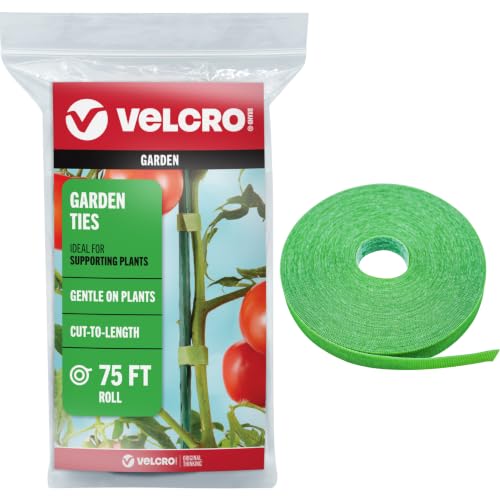
SECURE AND DURABLE: Strong Velcro Brand One-Wrap Garden Ties With Non-Slip Grip Keeps Flowers And Plants Staked, Supported, And Securely Bundled Together

STRETCHY: 2 Pack x 150ft 1/2" wide green tie tape roll. Vinyl tape used for training and staking plants. The most awesome feature is that when tie back a plant, the garden tie tape stretches with it as the plant grows. The tape roll also doesn't fade, crack, tear, or in any other way be affected by the weather.
Assessing the Damage
Check the extent of the damage by examining the broken stem. If it’s a clean break, there’s a higher chance of successful recovery. However, if the stem is severely damaged or split, fixing it may be more challenging.
Providing Initial Support
To stabilize the broken stem, gently bring the two parts together without causing further harm. Using soft garden tape or twine, carefully bind the pieces together for support. Ensure that you don’t tie too tightly to allow room for growth and prevent constriction.
By promptly assessing and providing initial support to your broken tomato plant, you increase its chances of healing and thriving again in your garden.
Long-Term Solutions for Broken Tomato Stems
When dealing with broken tomato stems, it’s crucial to implement long-term solutions to ensure the plant’s full recovery and future growth. Here are some effective techniques to support your tomato plant over the long term.
Recommended Products
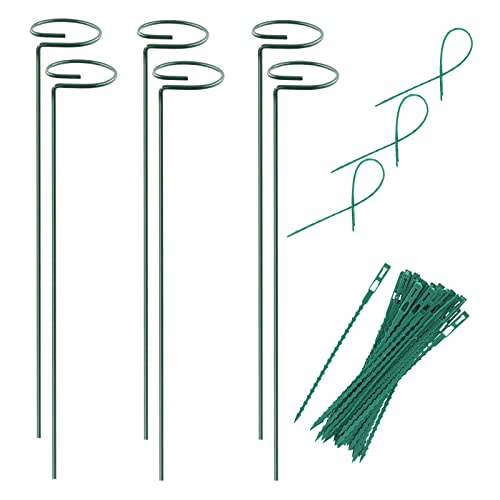
Versatile Plant Support Dimensions: Plant support stakes measure 15.9 inch long with an inner hoop diameter of about 2.5 inch, providing strong support for most flowers and plants with small stems including amaryllis, rose, peony, lily, tomatoes, vegetables, young trees, Narcissus, and monstera leaves, holding stems straight and upright.

Free Assembly Design: Easily adjust 1/2/3FT tall with the included connecting tube – perfect plant stakes for supporting growth at every stage. Start low for young plants, then extend as they grow stronger. No need to constantly buy or replace stakes

- Support & Guide plants : Our garden flower support can hold plants upright and growing normally, guiding their stems to the right position, preventing vines from spreading and protecting the plants from strong winds, heavy rain and snow. create well ordered borders and keep pathways open, add aesthetic appeal.
Splinting Techniques
To stabilize a broken tomato stem effectively, you can utilize splinting techniques that provide structural support for the damaged area. Follow these steps:
- Materials Needed: Prepare small stakes or splints (such as bamboo skewers or wooden sticks) and soft ties (like garden tape or twist ties).
- Assess Damage: Carefully examine the extent of the break in the stem to determine where support is needed.
- Splint Application:
- Place a stake or splint next to the broken stem.
- Secure the stake to the stem using soft ties, gently fastening them together without causing additional harm.
- Monitor Progress: Regularly check on the splinted area to ensure proper healing and growth.
Using Plant Supports
In addition to splinting, employing plant supports can aid in maintaining your tomato plant’s stability and promoting healthy development. Here’s how you can utilize plant supports effectively:
- Selecting Support Structures: Choose suitable supports such as cages, stakes, or trellises based on your tomato plant’s size and growth habits.
- Installation Process:
- Install the selected support structure near the base of the tomato plant.
- Encourage upward growth by gently tying branches to the support using soft ties.
- Regular Maintenance:
- Periodically adjust ties as necessary to accommodate growth without constricting stems.
- Ensure that supports remain sturdy and properly anchored in the soil.
By implementing these long-term solutions for broken tomato stems, you’ll provide essential care for your plants’ sustained health and productivity in your garden.
Preventative Measures for Tomato Plant Health
To keep your tomato plants healthy and thriving, there are some essential preventative measures you can take. Here are key practices to consider:
Regular Pruning Practices
Pruning your tomato plants is crucial for maintaining their health and productivity. By removing unnecessary branches or leaves, you help improve air circulation around the plant, reducing the risk of diseases. It also allows the plant to focus its energy on developing fruits rather than supporting excess foliage. When pruning, make clean cuts with sharp garden shears to avoid damaging the plant.
Choosing the Right Stakes and Cages
Selecting suitable stakes or cages for your tomato plants is vital in providing them with proper support as they grow. Stakes help keep the plant upright and prevent stems from breaking under the weight of fruit. On the other hand, cages offer 360-degree support, allowing the plant to grow vertically without sprawling on the ground. Ensure that your stakes are tall enough to accommodate the full height of mature plants and that cages have wide openings for easy access when harvesting.
By incorporating these preventative measures into your gardening routine, you can promote robust growth and minimize issues like broken stems in your tomato plants.
Conclusion
You’ve learned valuable insights on fixing broken tomato plants, from immediate actions like assessing damage and binding stems to long-term solutions such as splinting and using plant supports. Remember, prevention is key! Regular pruning and selecting appropriate stakes and cages can enhance your tomato plants’ health. By implementing these strategies, you’ll nurture strong, resilient tomato plants that thrive in your garden. Happy gardening!
Frequently Asked Questions
How can I fix a broken tomato plant stem?
To fix a broken tomato plant stem, assess the damage, gently bind the break with garden tape or twine, and provide care for healing.
What are some long-term solutions for broken tomato stems?
Long-term solutions include splinting with small stakes or splints and using cages, stakes, or trellises for stability.
How can I prevent issues like broken tomato stems in my plants?
Regular pruning to improve air circulation and energy focus, along with choosing suitable stakes and cages for proper support, can help prevent issues like broken stems in tomato plants.
