

Have you ever wondered why your romaine lettuce isn’t thriving like you hoped? It’s frustrating to put in the effort only to see lackluster growth. The secret often lies in how you fertilize your plants.
Key Takeaways
- Nutrient Requirements: Romaine lettuce needs key nutrients—nitrogen, phosphorus, potassium, and calcium—to flourish; monitor soil nutrient levels regularly for optimal growth.
- Soil Conditions: Ensure well-drained, nutrient-rich soil with a pH between 6.0 and 7.0 and maintain consistent moisture to promote healthy lettuce development.
- Fertilizer Choices: Both organic (compost, manure, bone meal) and synthetic (10-10-10, urea) fertilizers can be effective; choose based on your gardening preference and growth stage.
- Application Timing: Fertilize romaine lettuce at key growth stages: pre-planting, early growth (4 weeks old), and mid-growth, to maximize nutrient absorption and plant health.
- Avoid Common Mistakes: Prevent over-fertilizing, which causes nutrient burn, and under-fertilizing, which leads to poor growth by regularly testing soil and adjusting fertilizer applications appropriately.
Understanding Romaine Lettuce Needs
Romaine lettuce thrives when you meet its specific nutrient and soil requirements. Ensuring the right conditions promotes healthy growth and yields a bountiful harvest.
Recommended Products

🥬 CRAFTED FOR ALL LETTUCE VARIETIES – Gardenera LIQUID POWER Lettuce Fertilizer is specially formulated to support rapid leaf development, crisp texture, and vibrant green color in romaine, butterhead, iceberg, red leaf, and loose-leaf lettuces.
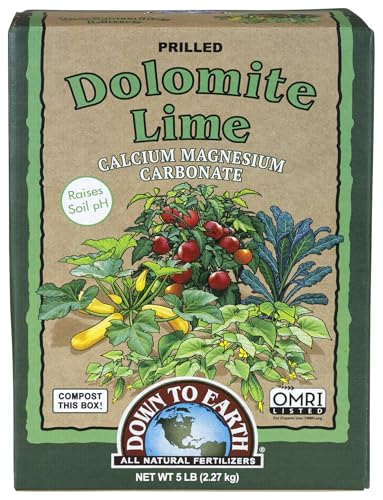
Raises Soil pH Naturally: Helps correct acidic soils for optimal nutrient uptake.

MasterBlend Lettuce Fertilizer Formula by PowerGrow Systems is fully Water Soluble
Nutrient Requirements
Romaine lettuce requires essential nutrients to flourish. Key nutrients include:
- Nitrogen: Supports leaf development. Apply nitrogen-rich fertilizers or compost as plants grow.
- Phosphorus: Encourages root growth and flowering. Use phosphorus fertilizers during planting.
- Potassium: Enhances overall plant health. Incorporate potassium-rich fertilizers in the soil before planting.
- Calcium: Prevents blossom end rot. Add lime or gypsum to improve calcium levels.
Monitor nutrient levels in the soil regularly. Adjust fertilizer applications based on soil tests for optimal growth.
Ideal Soil Conditions
Romaine lettuce thrives in well-drained, nutrient-rich soil. Focus on these conditions:
- pH Levels: Aim for a pH between 6.0 and 7.0. Conduct a soil test to check acidity.
- Soil Texture: Use loamy soil for optimal drainage and nutrient retention. You can amend heavy soils with organic matter.
- Moisture: Keep the soil consistently moist but not waterlogged. Mulching helps retain moisture and suppress weeds.
- Drainage: Ensure good drainage to prevent root rot. Raised beds can improve drainage in compacted soils.
By addressing these nutrient and soil needs, you set the stage for robust romaine lettuce growth.
Choosing the Right Fertilizer
Selecting the appropriate fertilizer is crucial for nurturing romaine lettuce. You can choose between organic and synthetic options based on your gardening style and preferences.
Recommended Products

Organic compost starter speeds up the composting process and is ideal for outdoor compost piles

Safe for the Environment: Non-toxic and safe for beneficial insects, pollinators, pets, and the surrounding ecosystem, promoting a healthier garden environment.

Nutrient-Rich Organic Compost for Healthy Soil: Support stronger plant growth with this premium organic compost made from dairy cow manure. This all purpose soil amendment helps replenish essential nutrients often depleted after harvests, making it ideal for vegetable gardens, fruit trees, flowers, lawns and container plants.
Organic Options
Organic fertilizers are made from natural materials. They improve soil health and provide a slow-release source of nutrients. Common organic fertilizers include:
- Compost: Rich in nutrients, it enhances soil structure and retains moisture. Mix a few inches into your soil before planting.
- Manure: Chicken or cow manure works well. It adds nitrogen and other nutrients, but make sure it’s composted to avoid burning your plants.
- Bone Meal: This option supplies phosphorus, promoting strong root development. Apply according to package instructions during planting.
- Fish Emulsion: A liquid alternative, it provides a balanced nutrient profile and is easy to apply. Dilute according to label directions.
Synthetic Options
Synthetic fertilizers offer fast nutrient delivery, which is beneficial for quick growth. Be cautious with dosage, as they can be strong. Common synthetic fertilizers include:
- 10-10-10 Fertilizer: This balanced option contains equal parts nitrogen, phosphorus, and potassium. Apply it every 4-6 weeks during the growing season.
- Urea: High in nitrogen, it promotes foliage growth. Use it sparingly, as it can burn plants if over-applied.
- Calcium Nitrate: This is an excellent choice for calcium and nitrogen needs. Mix it into the soil or use it as a foliar spray.
- Water-Soluble Fertilizers: These allow for quick absorption. Use them every 1-2 weeks, following label guidelines for dilution and application.
By understanding your options and how they impact romaine lettuce growth, you can make informed decisions that foster thriving plants.
How to Fertilize Romaine Lettuce
Fertilizing romaine lettuce correctly is crucial for promoting healthy growth. Here are the essential steps to ensure your plants get the nutrients they need at the right times.
Timing of Application
Timing your fertilization boosts the effectiveness of nutrient absorption.
- Pre-Planting: Add organic compost or well-rotted manure to the soil before planting. This enriches the soil and encourages strong growth from the start.
- Early Growth Stage: Apply a balanced fertilizer when seedlings are about four weeks old. This provides a nutrient boost to support leaf development.
- Mid-Growth Stage: Fertilize again about halfway through the growing season, especially during peak growth phases. Monitor your plants; if they show signs of nutrient deficiency, such as yellowing leaves, consider a top dressing.
Methods of Application
Different application methods can influence nutrient uptake and plant health.
- Granular Fertilizer: Scatter granular fertilizer evenly around the base of the plants. Water thoroughly after application to help dissolve the granules and promote nutrient absorption.
- Liquid Fertilizer: Mix liquid fertilizer with water according to the manufacturer’s instructions. Use this solution to water the lettuce, ensuring the leaves receive essential nutrients directly through the soil.
- Fertigation: For those with irrigation systems, fertigation offers an efficient way to deliver nutrients. Mix fertilizer with irrigation water, allowing for regular nutrient delivery during watering sessions.
Applying fertilizer at the right times and using effective methods promotes vibrant romaine lettuce growth. Prioritize regular observation of your plants to adapt your fertilization strategy to their needs.
Common Mistakes in Fertilization
Understanding the pitfalls in fertilizing romaine lettuce helps you avoid common problems. Here are key mistakes to watch for:
Over-fertilizing
Over-fertilizing can harm your romaine lettuce. Excess nutrients can lead to nutrient burn, causing leaf wilting and yellowing. Signs of over-fertilization include browning leaf tips and stunted growth.
To prevent over-fertilizing, always follow recommended application rates on labels. It’s best to err on the side of caution when first applying fertilizers. Conduct a soil test to identify existing nutrient levels. This test helps you adjust the amount of fertilizer accordingly.
Under-fertilizing
Under-fertilizing leads to poor growth and disappointing yields. Insufficient nutrients results in slow development and weak plants. If your romaine lettuce appears pale or small, it might lack essential nutrients like nitrogen.
To avoid under-fertilizing, assess your soil’s nutrient content regularly. Use compost or a balanced fertilizer during planting and reapply as needed during growth. Monitor your plants for signs of nutrient deficiency, such as yellowing leaves. Make thoughtful adjustments based on their appearance and growth stage for best results.
Conclusion
Growing romaine lettuce can be a rewarding experience when you get the fertilization just right. By understanding your plants’ specific nutrient needs and soil conditions you can create an environment where your lettuce thrives.
Remember to choose the right type of fertilizer and apply it at the right times to maximize growth. Keep an eye on your plants and adjust your approach based on their health and appearance.
With a bit of patience and care you’ll be on your way to enjoying a bountiful harvest of crisp and delicious romaine lettuce. Happy gardening!
Frequently Asked Questions
What are the key nutrients needed for growing romaine lettuce?
Romaine lettuce requires nitrogen, phosphorus, potassium, and calcium for healthy growth. Each nutrient plays a vital role: nitrogen promotes leaf growth, phosphorus supports root development, potassium enhances overall plant health, and calcium strengthens cell walls.
What type of soil is best for romaine lettuce?
The ideal soil for growing romaine lettuce is loamy, with a pH level between 6.0 and 7.0. Good drainage is essential to prevent root rot, while consistent moisture without waterlogging helps support healthy growth.
How should I fertilize romaine lettuce for optimal growth?
Fertilize romaine lettuce by adding organic compost or well-rotted manure before planting. Then, apply a balanced fertilizer during early growth and again in mid-growth. Options include granular and liquid fertilizers or fertigation for those using irrigation.
Can I use organic fertilizers for romaine lettuce?
Yes, organic fertilizers, like compost, manure, and bone meal, are excellent for romaine lettuce. They improve soil health and provide a slow-release source of nutrients, which benefits long-term plant growth.
What are common mistakes in fertilizing romaine lettuce?
Common mistakes include over-fertilizing, which causes nutrient burn, and under-fertilizing, leading to poor growth. Always follow recommended application rates and perform soil tests to adjust nutrient levels accordingly.
How often should I test my soil for nutrient content?
It’s advisable to test your soil annually to assess nutrient content. Regular testing helps you make informed adjustments to your fertilization strategy, ensuring that your romaine lettuce receives the necessary nutrients for optimal growth.
