

Ever wondered how you could turn your love for tomatoes into a sustainable practice? Picture this: You have a bountiful harvest of juicy, ripe tomatoes, but what about those seeds? What if you could take those seeds and ferment them to enhance their growth potential and ensure a thriving crop next season? That’s where the magic of fermenting tomato seeds comes in.
Key Takeaways
- Fermenting tomato seeds is essential to enhance their growth potential and ensure healthier plants in the next season.
- The fermentation process helps remove the gelatinous coating around the seeds, promotes beneficial microbial activity, and mimics natural seed decomposition.
- Selecting ripe tomatoes, necessary materials like a container and water, and healthy open-pollinated seeds are crucial for successful seed fermentation.
- Following a step-by-step guide for cleaning, fermenting, monitoring progress, and troubleshooting common issues can lead to optimal results.
- Benefits of fermenting tomato seeds include improved germination rates, enhanced plant health by reducing disease transmission, and increased vigor and resilience in resulting plants.
Understanding Fermentation of Tomato Seeds
Fermenting tomato seeds is a beneficial practice that can significantly enhance the growth potential of your crops in the upcoming season. Let’s delve into why fermenting tomato seeds is essential and explore the science behind this process.
Why Ferment Tomato Seeds?
Fermenting tomato seeds helps to remove the gelatinous sack surrounding them, which can inhibit germination. By fermenting the seeds, you create an environment where beneficial microbes break down this coating, promoting healthier seedlings once planted. This natural fermentation process mimics how seeds would naturally decompose in nature, paving the way for robust plant growth.
The Science Behind Seed Fermentation
During fermentation, lactic acid bacteria present on the surface of tomatoes consume sugars within the gel sac around the seeds. This breakdown not only cleanses the seeds but also helps prevent diseases by inhibiting harmful pathogens. Additionally, fermentation triggers changes in seed metabolism that boost their vigor and resilience. This scientific approach to seed preparation sets a strong foundation for successful cultivation and bountiful harvests.
Preparing for Fermentation
To get started with fermenting tomato seeds, you need to gather the necessary materials and select the right tomato seeds. Here’s what you should consider:
Recommended Products

【All-in-One Hydroponic Garden Kit】This tomato seed pod kit has everything to kickstart your hydroponic gardening journey: A packet of Red Cherry Tomato seeds, 12 grow sponges, 12 plant baskets, 12 grow domes, 12 pod labels (Contains no plant foods)

Has All You’ll Need - This Tomato seed pod kit comes with everything you’ll need for your hydroponics garden: 6 types of heirloom NON-GMO seeds (Red Cherry/Golden Cherry Tomato, Roma/San Marzano/Yellow Pear Tomato and Jalapeno Pepper), 7 grow sponges, 7 grow domes, 7 grow baskets, 8 foil stickers, and A&B Plant Nutrients.

✔ Grow 8 Delicious Tomato Varieties! 🍅🌱 This tomato starter kit includes eight heirloom tomato and tomatillo varieties, perfect for growing fresh, juicy tomatoes at home. Enjoy a mix of cherry, slicing, paste, and tomatillo varieties—all from one kit!
Necessary Materials for Fermenting Seeds
When preparing to ferment tomato seeds, you’ll need a few essential materials to ensure the process goes smoothly. Here are the items you’ll require:
- Ripe Tomatoes: Choose ripe, healthy tomatoes from your garden or a local market.
- Knife and Cutting Board: To cut the tomatoes open easily.
- Container: Use a glass or plastic container that can hold your tomato seeds and some water.
- Water: Make sure you have clean water available for the fermentation process.
- Cheesecloth or Paper Towels: These will help cover the container to keep pests away while allowing airflow.
Selecting the Right Tomato Seeds
Choosing the right tomato seeds is crucial for successful fermentation. Follow these tips when selecting your tomato seeds:
- Open-Pollinated Varieties: Opt for open-pollinated varieties as they tend to produce more stable offspring.
- Healthy Seeds: Ensure that the seeds come from healthy, disease-free tomatoes to promote strong seedlings.
By preparing with these key materials and selecting suitable tomato seeds, you’re on your way to successfully fermenting tomato seeds for healthier plants in your garden.
Step-by-Step Guide to Ferment Tomato Seeds
Fermenting tomato seeds is a crucial step in enhancing their growth potential for a thriving crop in the next season. By removing inhibiting gelatinous sacks and harnessing beneficial microbes, you can ensure healthier plants in your garden. Let’s dive into the process of fermenting tomato seeds effectively.
Cleaning and Preparing Seeds
To start, gather ripe tomatoes, a container, water, and covering materials like a cloth or paper towel. Select open-pollinated varieties or seeds from healthy tomatoes to maximize success. Follow these steps to clean and prepare the seeds:
- Extract Seeds: Cut the ripe tomatoes and scoop out the gel with seeds into a container.
- Add Water: Pour some water into the container until it covers the seeds.
- Cover & Wait: Place a cloth over the container to prevent mold formation and let it sit for around 2-4 days.
The Fermentation Process
Once you’ve prepared the seeds, it’s time to initiate the fermentation process. This step helps break down coatings, cleanse seeds, prevent diseases, and boost seed vigor naturally. Follow these guidelines for successful fermentation:
- Observe Bubbling: During fermentation, you’ll notice bubbles forming on top of the water – this indicates that beneficial microbes are actively breaking down coatings.
- Check Smell & Texture: After 2-4 days, check for a slightly fermented smell and observe that the gel around the seeds has loosened.
- Rinse Seeds: Rinse off any remaining debris by adding more water to float away impurities while retaining viable seeds at the bottom.
Monitoring Fermentation Progress
Monitoring the fermentation progress is essential to ensure optimal results when fermenting tomato seeds. Here’s how you can track and manage this stage effectively:
- Visual Inspection: Regularly check on the seed mixture during fermentation to observe changes in color, texture, and smell.
- Adjust Timing: Depending on ambient temperature conditions, adjust fermentation time accordingly – shorter in warmer climates and longer in cooler environments.
- Seed Separation: As fermentation progresses, viable seeds will sink to the bottom while debris floats – carefully separate them before drying.
Troubleshooting Common Issues
If you encounter any problems during the fermentation process of tomato seeds, here are some tips to help you identify and resolve them effectively.
Recommended Products


Complete Mason Jar Growing Kit: Start your indoor herb garden with one simple kit. Includes a mason jar, net pot, and pre-seeded grow plug, giving you everything needed to begin a clean, soil-free growing experience at home.
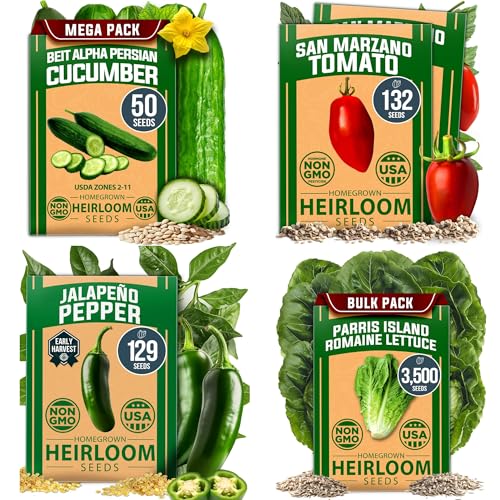
Vegetable Garden Seeds Kit – San Marzano Tomato, Parris Island Romaine Lettuce, Persian Cucumber & Pepper
Identifying and Solving Fermentation Problems
- Mold Growth: If you notice fuzzy mold developing on top of the water surface, it’s essential to act promptly. Remove the affected layer carefully without disturbing the seeds underneath. Ensure proper ventilation to prevent future mold growth.
- Unpleasant Odor: A strong or foul smell emanating from the container indicates a problem. Stir the mixture gently to release gases and improve aeration. If the odor persists, consider restarting with fresh water and seeds.
- Slow Fermentation: Inadequate bubbling or slow fermentation could be due to low temperatures. Place the container in a warmer area or use a heat mat to maintain optimal fermentation conditions.
- Floating Seeds: Seeds that float instead of sinking may not be viable for planting. Scoop out floating seeds and debris before rinsing and drying the remaining ones for further processing.
- Maintain Consistent Temperature: Keeping a stable temperature around 70-75°F (21-24°C) throughout the fermentation period encourages microbial activity essential for seed breakdown.
- Regular Monitoring: Check on your fermenting seeds daily to observe changes in bubbling intensity, smell evolution, and overall progress. Adjust as needed based on your observations.
- Proper Ventilation: Ensure adequate airflow by partially covering the container with a breathable cloth or paper towel while fermenting seeds to prevent unwanted odors or mold formation.
- Quality Control: Before starting fermentation, select only ripe tomatoes from healthy plants for seed extraction to ensure high-quality seeds free from diseases or deformities that could hinder successful fermentation outcomes.
By following these troubleshooting tips and best practices, you can overcome common issues encountered during tomato seed fermentation and increase your chances of success in producing healthy plants for your garden.
Benefits of Fermented Tomato Seeds
Fermenting tomato seeds offers various advantages that can significantly impact the growth and health of your plants. Let’s explore some key benefits below:
Improved Seed Germination
Fermenting tomato seeds before planting can enhance their germination rates. The fermentation process helps break down the gelatinous coating around the seeds, making it easier for them to sprout. This leads to quicker and more uniform germination, giving your plants a head start in their growth cycle.
Health Benefits of Fermented Seeds
Apart from aiding in germination, fermenting tomato seeds also contributes to the overall health of the plants they produce. By naturally cleansing the seeds during fermentation, you reduce the chances of diseases being transmitted from one plant generation to another. Additionally, fermented seeds tend to exhibit improved vigor and resilience, leading to healthier plants with better yields in your garden.
Conclusion
You’ve learned about the significance of fermenting tomato seeds for boosting their growth potential. By breaking down coatings and enhancing seed vigor naturally, you’re setting the stage for healthier plants. Remember, maintaining consistent temperature, monitoring closely, ensuring proper ventilation, and quality control are key in successful fermentation. The benefits extend beyond improved germination rates to overall plant health, disease prevention, and increased resilience. Embrace the process of fermenting tomato seeds as a valuable tool in your gardening journey for optimal yields and robust plant growth. Happy fermenting!
Frequently Asked Questions
Why is fermenting tomato seeds important?
Fermenting tomato seeds is crucial as it helps break down seed coatings, cleanse seeds, and enhance seed vigor naturally. This process improves germination rates and overall plant health by preventing diseases and promoting vigor in plants.
What are some troubleshooting tips for fermenting tomato seeds?
Troubleshooting tips include maintaining consistent temperature during fermentation, proper monitoring of the process, ensuring adequate ventilation to prevent mold growth, and implementing quality control measures to ensure successful fermentation.
What are the benefits of fermenting tomato seeds?
Fermenting tomato seeds offer advantages such as improved germination rates, enhanced plant health, disease prevention, and increased vigor and resilience in plants. Ultimately, this leads to better yields in the garden.
