

Have you ever struggled with cutting red leaf lettuce without making a mess? You’re not alone. Many people find themselves frustrated when trying to prepare this delicate green for salads or sandwiches.
Key Takeaways
- Selecting Fresh Lettuce: Choose deep red to burgundy leaves that are crispy and firm to ensure the best quality and flavor.
- Nutritional Value: Red leaf lettuce is packed with essential vitamins like A, C, and K, making it a nutritious addition to any meal.
- Proper Washing and Drying: Always rinse the lettuce under cold water, dry it thoroughly using a salad spinner, and avoid washing until just before use to maintain freshness.
- Optimal Cutting Techniques: Use a sharp chef’s knife or kitchen shears to cut the leaves from stem to tip, producing clean cuts and avoiding bruising.
- Storage Solutions: Wrap washed leaves in damp paper towels and store them in the refrigerator’s crisper drawer to prolong freshness.
- Handling with Care: Treat the lettuce gently to prevent damage, checking for spoilage regularly and discarding any wilted leaves to maintain overall quality.
Understanding Red Leaf Lettuce
Red leaf lettuce, known for its vibrant color and tender texture, adds both flavor and visual appeal to dishes. This leafy green thrives in cooler climates and grows in loose, rosette-shaped heads. Selecting fresh red leaf lettuce means looking for crisp leaves without browning or wilting.
Nutritional Benefits
Red leaf lettuce contains essential vitamins and minerals. It’s rich in vitamins A, C, and K, contributing to eye health, immune function, and bone health. With low calories and high water content, it’s an excellent choice for salads or wraps.
Choosing Fresh Red Leaf Lettuce
- Check Color: Look for deep red to burgundy leaves, indicating freshness.
- Inspect Leaves: Choose crispy, firm leaves free from brown spots or slime.
- Assess Aroma: Fresh lettuce has a mild, slightly sweet scent. Strong odors suggest it’s past its prime.
Storing Red Leaf Lettuce
Proper storage enhances freshness.
- Refrigerate: Wrap the lettuce in damp paper towels and place it in a perforated plastic bag. This retains moisture while allowing airflow.
- Avoid Washing: Wash only before use to prevent spoilage.
- Remove Outer Leaves: Discard damaged or wilted leaves, ensuring only the best remain.
- Rinse: Gently rinse the leaves under cold running water to remove dirt and grit.
- Dry: Use a salad spinner or pat the leaves dry with a clean towel. Excess moisture can lead to soggy salads.
Understanding these key elements of red leaf lettuce allows you to enhance your salads and sandwiches efficiently. With the right approach, you’ll turn red leaf lettuce into a delicious addition to your meals.
Tools Needed For Cutting
Having the right tools makes cutting red leaf lettuce easier and neater. Here are the essential utensils to prepare this delicate green efficiently.
Recommended Products
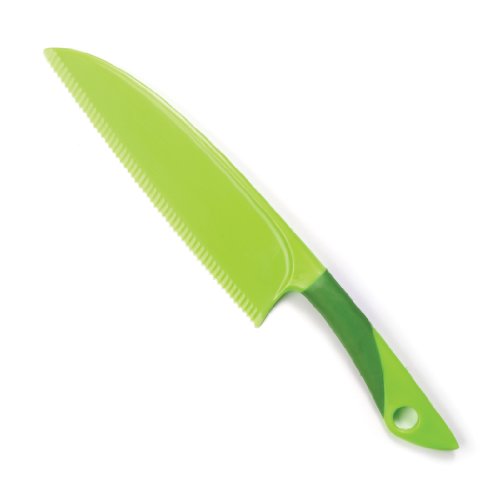
Non-slip, soft grip handle
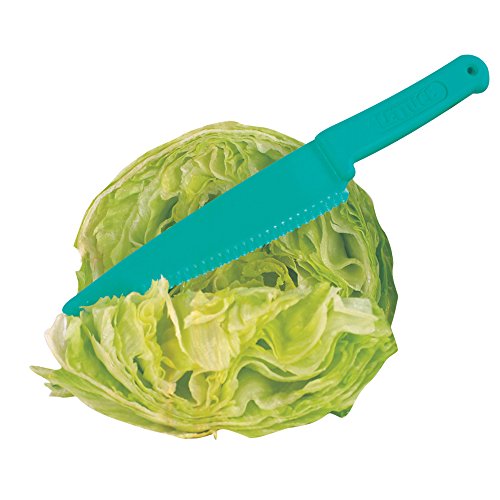
DURABLE DESIGN: Constructed from long-lasting and heat-resistant polystyrene plastic.

NON-TOXIC & BPA FREE - Constructed from long-lasting and heat-resistant polystyrene plastic. No BPA material, tasteless, non-toxic, dishwasher safe lettuce cutting knife with serrated edges to prevent from turning brown.
Recommended Knives
- Chef’s Knife: A sharp, versatile chef’s knife excels at slicing through the lettuce without bruising it.
- Paring Knife: A paring knife works well for smaller tasks, like removing any brown edges from the leaves.
- Serrated Knife: A serrated knife can help with cutting through any tough stems while minimizing damage to the leaves.
- Cutting Board: A clean, sturdy cutting board provides a stable surface and protects your countertops.
- Salad Spinner: A salad spinner helps remove excess water after rinsing, ensuring that the lettuce stays crisp.
- Tongs: Tongs allow you to toss the lettuce gently without tearing the leaves, keeping them intact for presentation.
- Kitchen Shears: Kitchen shears can quickly snip the lettuce into smaller pieces, offering a convenient alternative to knives.
How To Cut Red Leaf Lettuce
Cutting red leaf lettuce properly ensures minimal mess and maintains its freshness. Follow these straightforward techniques for the best results.
Recommended Products
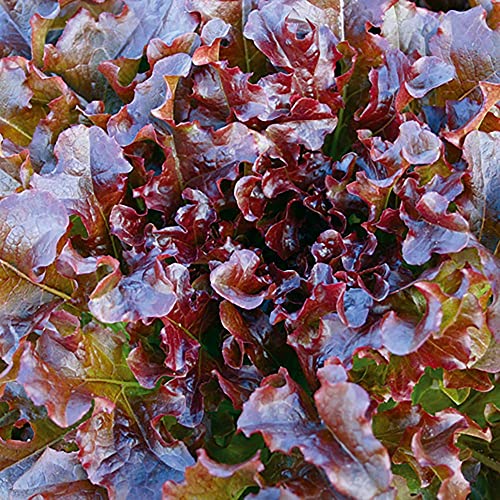
Red lettuce seeds garden seeds vegetable seeds bulk lettuce seeds

Premium Material:ours Plastic lettuce knife made of food grade premium plastic,non-slip and durable, not easy to wear, safe and practical to use.

PREVENTS LETTUCE & SALAD BROWNING: Durable polystyrene plastic blade cuts cleanly through delicate greens, romaine, and cabbage without oxidizing cut edges, keeping tossed salads fresher and crisper longer.
Preparing The Lettuce
Wash the red leaf lettuce under cold running water. Remove any damaged outer leaves. Shake off excess water or use a salad spinner to dry it gently. Place the cleaned lettuce on a clean cutting board. This preparation keeps the leaves crisp and clean for cutting.
- Use a Sharp Knife: Grab a sharp chef’s knife for clean cuts. A dull knife can bruise the leaves, affecting texture.
- Chop in Portions: Take a few leaves at a time to prevent overwhelming yourself. Stack the leaves for easier cutting.
- Slicing Method: Cut from the stem to the tip in even slices. Aim for strips about one inch wide for salads or smaller pieces for wraps.
- Snipping with Kitchen Shears: For a quick option, use kitchen shears to snip the leaves into bite-sized pieces. This method works well if you prefer a less formal presentation.
- Remove Tough Parts: Cut away any tough stems at the base of the leaves. Discard these parts to enhance the eating experience.
- Toss Gently: Once cut, use tongs to toss the lettuce with dressing or other ingredients. This method prevents bruising and maintains the lettuce’s delicate structure.
Following these techniques allows you to cut red leaf lettuce efficiently, keeping your meals fresh and inviting.
Tips For Freshness And Storage
Maintain the freshness of red leaf lettuce with proper handling and storage techniques. Follow these guidelines to ensure your lettuce stays crisp and vibrant.
Storage Techniques
- Avoid Excess Moisture: Excess moisture can lead to spoilage. After washing, pat the leaves dry with a clean kitchen towel. Use a salad spinner for thorough drying.
- Use Paper Towels: Wrap the lettuce in dry paper towels before placing it in a plastic bag. This prevents moisture buildup, keeping the lettuce fresh longer.
- Store in the Crisper Drawer: Place the wrapped lettuce in the crisper drawer of your refrigerator, where humidity is controlled. This environment helps maintain crispness.
Handling Tips
- Handle Gently: Treat red leaf lettuce with care to avoid bruising or damaging the leaves. Avoid dropping or tossing the lettuce.
- Separate Leaves: If possible, separate leaves instead of cutting the whole head. This allows you to take only what you need, preserving the remaining leaves.
- Check Regularly: Inspect the stored lettuce every few days for any signs of spoilage. Remove any wilted or brown leaves immediately to prevent spreading.
- Incorporate in Dishes: Use leftover lettuce in wraps, sandwiches, or smoothies. This prevents waste and maximizes freshness.
Following these tips ensures your red leaf lettuce stays fresh and ready for your favorite dishes.
Conclusion
Cutting red leaf lettuce doesn’t have to be a hassle. With the right tools and techniques you can enjoy this vibrant green in your meals without the mess. Remember to handle it gently and store it properly to keep those crisp leaves fresh.
By incorporating red leaf lettuce into your salads and sandwiches you’re not just adding color but also a wealth of nutrients. So next time you’re preparing a dish don’t hesitate to reach for that beautiful lettuce. Enjoy the crunch and flavor it brings to your table!
Frequently Asked Questions
What is red leaf lettuce, and why is it popular?
Red leaf lettuce is a leafy vegetable known for its vibrant color and tender texture. It’s popular because it enhances the flavor and visual appeal of salads and sandwiches while being rich in vitamins A, C, and K, making it a nutritious choice.
How can I select the freshest red leaf lettuce?
To select fresh red leaf lettuce, look for crisp, vibrant leaves that are free from browning or wilting. Avoid heads that have soft spots or are slimy, as these indicate spoilage.
What tools do I need to cut red leaf lettuce neatly?
You’ll need a sharp chef’s knife, paring knife, serrated knife, clean cutting board, salad spinner, tongs, and kitchen shears for efficient and neat cutting of red leaf lettuce.
What is the best method for washing red leaf lettuce?
Wash red leaf lettuce under cold water to remove dirt and debris. Make sure to gently separate the leaves and pat them dry with paper towels to avoid excess moisture.
How should I store red leaf lettuce to maintain freshness?
Wrap washed red leaf lettuce in paper towels to absorb excess moisture, then place it in a plastic bag. Store it in the crisper drawer of your refrigerator for optimal freshness.
How can I cut red leaf lettuce without making a mess?
To cut red leaf lettuce with minimal mess, remove damaged leaves, chop the lettuce in portions using a sharp knife, and slice from stem to tip in even strips or use kitchen shears for a quick cut.
What should I do with leftover red leaf lettuce?
Incorporate leftover red leaf lettuce into wraps, sandwiches, or smoothies to maximize freshness and minimize waste, ensuring you enjoy its flavor and nutrients without letting it spoil.
