

Have you ever wondered how to enjoy the freshest romaine lettuce straight from your garden? It’s a simple pleasure that can elevate your salads and sandwiches. But if you’re unsure how to cut it without damaging the plant, you’re not alone.
Key Takeaways
- Understand Romaine Varieties: Choose from varieties like Buttercrunch, Parris Island Cos, Little Gem, and Calmar for optimal flavor and crispness in your garden.
- Use the Right Tools: Essential tools include a sharp knife, garden shears, a cutting board, and gloves to ensure a safe and efficient cutting process.
- Optimal Cutting Time: Best times to harvest are in the morning or late afternoon when temperatures are cooler, helping to retain moisture in the leaves.
- Correct Cutting Technique: Make clean cuts above the base of the head to minimize damage and stress on the plant, promoting future growth.
- Proper Storage Methods: Refrigerate unwashed romaine in a damp-paper-towel-lined container to maintain freshness, and avoid washing until ready to use.
- Support Regrowth After Harvest: Water deeply after cutting, maintain consistent sunlight, and use balanced fertilizer to encourage continued leaf production.
Understanding Romaine Lettuce
Romaine lettuce stands out for its crunchy texture and robust flavor. This leafy green thrives in various climates and offers a wide range of varieties for your garden.
Varieties of Romaine Lettuce
You can choose from several romaine lettuce varieties, each with unique characteristics. Here are a few popular options:
- Buttercrunch: This variety is known for its sweet flavor and tender leaves.
- Parris Island Cos: A traditional type with long, thick leaves that add crispness to salads.
- Little Gem: A compact variety that grows well in smaller spaces, offering a delightful taste.
- Calmar: This variety features dark green leaves, perfect for a rich salad mix.
Selecting the right variety can enhance your garden’s yield, providing you with fresh romaine for various recipes.
Nutritional Benefits
Romaine lettuce isn’t just delicious; it’s also packed with nutrients. Include it in your diet for these benefits:
- Low in Calories: Approximately 15 calories per cup makes it ideal for weight management.
- High in Fiber: Each serving contains 1 gram, promoting digestive health.
- Rich in Vitamins: Romaine is an excellent source of vitamin A, providing about 148% of your daily requirement per cup. It’s also a good source of vitamin K, essential for bone health.
- Hydrating: With a water content of about 95%, it helps keep you hydrated.
Incorporating fresh romaine lettuce into your meals not only adds taste but also boosts your overall nutrition. Keep these factors in mind as you enjoy cutting and harvesting from your garden.
Tools Needed for Cutting
Gathering the right tools makes cutting fresh romaine lettuce easier and more efficient. Here’s what you need for a smooth harvest.
Recommended Products

Complete Lettuce Garden Starter Kit Indoor – 5 heirloom salad and green seed packets, 8 biodegradable soil disks, 8 plant markers, and 8 starter pots. Romaine, Spinach, Arugula, Kale and Buttercrunch lettuce heirloom seeds are the star of the set!

【✂ Superb Quality】: Besides a beautiful finish, top quality build, professional design and ultra sharp blades make it feel comfortable, light and effortless while easily outperforming all other shears. It is made from premium, durable, top grade stainless steel that is rust and corrosion resistance, sharper and stronger.

White hearts, leaves have crispy, sweet flavor, with Miracle-Gro Pour & Feed Singles Ready-to-Use Plant Food 4-pack for your garden; trust the experts with more than 200 years of experience
Essential Gardening Tools
- Sharp Knife: A clean, sharp knife ensures precise cuts, reducing damage to the leaves. Use a utility knife or a paring knife for smaller heads.
- Garden Shears: Ideal for thicker stems, garden shears make cutting larger leaves simple. Choose ones that are comfortable to hold.
- Cutting Board: A sturdy cutting board protects your garden’s greens and provides a stable surface for cutting.
- Basket or Container: A container holds your freshly cut romaine lettuce and prevents bruising while you work.
- Gloves: Wear gardening gloves to protect your hands from dirt and potential cuts. Choose breathable materials for comfort.
- Goggles: Safety goggles shield your eyes from debris when cutting close to other plants.
- Apron: An apron keeps your clothes clean and offers pockets for tools while harvesting.
Using these tools and gear ensures a safe and efficient process for cutting fresh romaine lettuce from your garden.
How to Cut Fresh Romaine Lettuce from Garden
Cutting fresh romaine lettuce is straightforward. Follow these steps for a successful harvest.
Recommended Products

PREVENTS LETTUCE & SALAD BROWNING: Durable polystyrene plastic blade cuts cleanly through delicate greens, romaine, and cabbage without oxidizing cut edges, keeping tossed salads fresher and crisper longer.
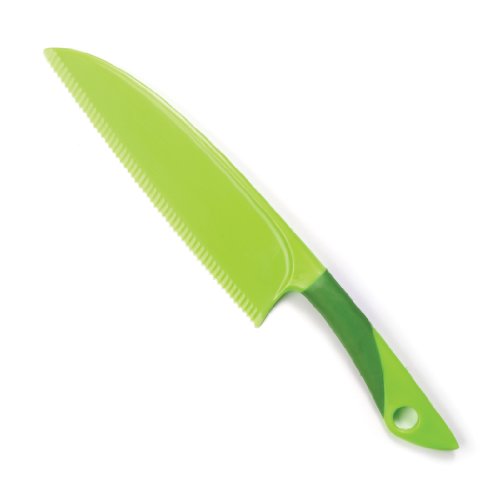
Non-slip, soft grip handle
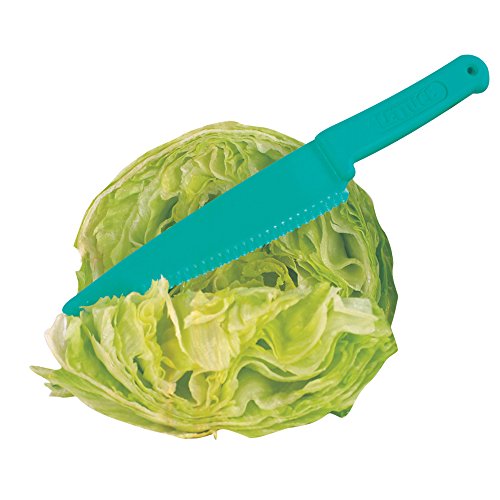
DURABLE DESIGN: Constructed from long-lasting and heat-resistant polystyrene plastic.
Choosing the Right Time
Choose a morning or late afternoon for optimal cutting. This timing ensures cooler temperatures, which helps retain moisture in the leaves. Look for heads that are firm and crisp, with vibrant green leaves. Harvest when the lettuce reaches a height of around 6 to 12 inches. If the lettuce starts to bolt (flower), cut it immediately to maintain freshness.
Proper Cutting Techniques
Use a sharp knife or garden shears for cutting. Position your tool just above the base of the head. Make a clean cut to minimize damage. Avoid pulling or twisting the lettuce, as this can stress the plant and impact future growth. Cut only the outer leaves if you want to continue harvesting later. Store the lettuce in a container lined with damp paper towels to keep it fresh until you’re ready to use it.
Maintaining Your Lettuce After Harvest
Maintaining your romaine lettuce after harvest keeps it fresh and encourages regrowth. Here are the key methods to ensure optimal storage and continued growth.
Recommended Products

Keep your produce fresh for longer: The PrepSolutions Lettuce Keeper keeps your produce fresh with an adjustable air vent and water reservoir, creating the ideal environment for fresh fruits and vegetables. Item measures 12.5" W x 7.25" D x 5.25" H and weighs 1.14 lbs.

𝐊𝐞𝐞𝐩𝐬 𝐕𝐞𝐠𝐞𝐭𝐚𝐛𝐥𝐞𝐬 𝐅𝐫𝐞𝐬𝐡 𝐋𝐨𝐧𝐠𝐞𝐫: The Home-X salad keeper for refrigerator is designed to preserve the freshness of lettuce, broccoli, cauliflower, and more. It creates an ideal cold, moist storage environment to help your vegetables stay crisp and fresh for longer periods.

KEEP PRODUCE FRESHER LONGER: Rubbermaid FreshWorks Produce Saver uses FreshVent technology to regulate airflow, so your produce stays fresher longer.
Storing Fresh Romaine
- Refrigerate Immediately: Place washed, unwrapped romaine in a plastic bag or container. Keep it in the crisper drawer of your refrigerator. This method maintains crispness for up to a week.
- Use Damp Paper Towels: Line your storage container with damp paper towels to retain moisture. This prevents wilting and helps the lettuce stay fresh longer.
- Avoid Offering Wet Lettuce: Don’t wash romaine before storing. Excess moisture can lead to faster spoilage. Wash only before you plan to use it.
- Check for Damage: Regularly inspect for damaged leaves. Remove any spoiled parts to keep the rest of your lettuce fresh.
- Cut with Care: If you want your romaine to continue growing, cut only the outer leaves. Leave the central core intact. This encourages future leaf production.
- Water Wisely: Water your lettuce plants deeply after harvesting to support regrowth. Ensure the soil remains consistent but not soggy.
- Provide Adequate Sunlight: Place your lettuce in an area receiving full sun. This promotes healthy growth and nutrient absorption.
- Use a Balanced Fertilizer: Feed your romaine with a balanced fertilizer every few weeks. This boosts nutrients and enhances growth.
By following these practices, you enhance both the longevity of your harvested romaine and encourage further yields from your garden.
Conclusion
Harvesting fresh romaine lettuce from your garden is a rewarding experience that brings a burst of flavor to your meals. By following the right cutting techniques and care tips, you can enjoy your harvest while encouraging your plants to thrive.
Remember to store your lettuce properly to keep it crisp and fresh for longer. With a little attention to watering and sunlight, you’ll set yourself up for multiple harvests. Enjoy the fruits of your labor and savor the delicious taste of homegrown romaine in your salads and dishes. Happy gardening!
Frequently Asked Questions
How do I cut romaine lettuce without harming the plant?
To cut romaine lettuce without damaging the plant, use sharp scissors or a knife to trim the outer leaves. Avoid cutting too close to the base to allow for regrowth.
What are the nutritional benefits of romaine lettuce?
Romaine lettuce is rich in vitamins A, C, and K, as well as folate and fiber, making it a nutritious addition to your diet that supports overall health.
What tools do I need for cutting romaine lettuce?
You’ll need sharp scissors or a knife, a cutting board, and optionally a bowl for collecting the harvested leaves. These tools ensure a clean and efficient cutting process.
How should I store harvested romaine lettuce?
To store harvested romaine lettuce, wrap it in damp paper towels and place it in the refrigerator. This helps keep it fresh while preventing excess moisture to avoid spoilage.
How can I encourage regrowth after harvesting romaine lettuce?
To encourage regrowth, only cut the outer leaves, keep the base intact, water it properly, and ensure it receives adequate sunlight. Applying balanced fertilizer can also enhance growth.
Why is it important to check for damage after harvesting?
Checking for damage after harvesting helps identify any bruised or wilting leaves, ensuring you only store and consume the healthiest parts of the romaine lettuce. This prolongs freshness.
