

Have you ever found yourself staring at a patch of overgrown lettuce, wondering how to get it back in shape? You’re not alone. Many gardeners face this challenge, and cutting back lettuce can feel daunting if you’re not sure where to start.
Key Takeaways
- Optimal Timing for Trimming: Cut back lettuce before it bolts and when outer leaves reach 4-6 inches in height to ensure quality and avoid bitterness.
- Recommended Tools: Utilize sharp knives or garden shears, gloves, and a cutting board for precise and hygienic cuts, which are essential for healthy growth.
- Post-Cutting Care: Water thoroughly after trimming, monitor for new growth, and lightly fertilize to support recovery and encourage tender leaf production.
- Maintaining Soil Moisture: Keep soil consistently moist to promote healthy regrowth, adjusting watering based on environmental conditions.
- Pest and Disease Management: Regularly check for signs of pests or disease, and employ organic methods for swift control to maintain plant health.
- Seasonal Adaptation: Adjust care routines according to seasonal changes to cater to your lettuce’s specific needs for optimal growth throughout the year.
Overview of Cutting Back Lettuce
Cutting back lettuce helps manage its growth and encourages fresh, tender leaves. Knowing when and how to cut back can maximize your harvest.
Best Time to Cut Back Lettuce
- Before bolting: Cut back when you notice any signs of flowering. Lettuce can become bitter if it bolts, so timing is key.
- Mature leaves: Focus on harvesting the outer leaves when they reach 4-6 inches in height. This promotes new growth from the center.
Tools You’ll Need
- Sharp knife or garden shears: Clean tools reduce the risk of disease.
- Gloves: Protect your hands while handling the plant.
Step-by-Step Instructions
- Inspect the Lettuce: Look for the outer leaves that are mature and healthy.
- Cut Gently: Use your tool to trim leaves just above the base, leaving some foliage to allow for regrowth.
- Remove Damaged Leaves: Discard any yellow or wilted leaves to maintain plant health.
- Water After Cutting: Give your lettuce a drink to help it recover from cutting.
- Monitor Growth: Observe the center for new leaves emerging after cutting.
- Fertilize Lightly: Apply a diluted fertilizer once new leaves appear, as this supports growth.
- Keep Soil Moist: Consistent moisture helps lettuce thrive.
Following these steps and practices keeps your lettuce healthy and productive throughout the growing season.
Benefits of Cutting Back Lettuce
Cutting back lettuce offers several advantages that enhance both plant vitality and your gardening experience. By trimming your plants at the right time, you can enjoy a continuous supply of fresh lettuce.
Recommended Products

CLEAN CUTS FOR LIVE GROWTH: Bypass blade design is ideal for pruning delicate flower stems and green growth, helping reduce crushing and plant damage while cutting stems and small branches up to 5/8” in diameter

DUAL CUTTING POWER: VERSATILE PRUNING COMBO --- With both Pruning Shears and Pruning Snip, this combo delivers unmatched versatility. Whether you're delicately trimming flowers and shrubs, tackling thicker tree branches, or tending to your vegetable and fruit garden, our combo pack excels in all areas. They're also perfect for landscaping projects and maintaining the health and appearance of indoor plants. With this pack, you have a versatile tool that simplifies your gardening tasks.

AMBIDEXTROUS DESIGN: Pruner shape is designed for both right and left-handed use while pruning indoor & outdoor plants such as shrubs, ornamental trees, vines, & flowers like roses; SoftGrip handle reduces hand fatigue & enhances comfort and control
Extended Harvest Season
Cutting back lettuce encourages new growth, leading to a longer harvest season. When you remove the outer leaves, it stimulates the plant to produce fresh, tender leaves. For instance, if you cut back your lettuce every few weeks, you can enjoy fresh greens from early spring until late fall. Maintaining proper care after cutting, like consistent watering and occasional fertilization, maximizes your harvest.
Improved Plant Health
Regularly cutting back enhances plant health by preventing overcrowding and reducing the risk of diseases. Thinning out excessive foliage allows for better air circulation and sunlight exposure, essential for robust growth. For example, removing damaged or yellowing leaves helps the plant redirect energy towards healthier parts. You promote overall robustness in your lettuce when you routinely care for your plants in this way.
Tools and Techniques for Cutting Back Lettuce
Cutting back lettuce involves specific tools and techniques to ensure effective and healthy results. The right tools make a significant difference in the process.
Recommended Products

HERB GARDENING ESSENTIAL: Stainless steel blade plant shears with sheath ideal for harvesting herbs outdoors or with a window herb garden for kitchen; encourages overall lawn and garden health, or perfect gift to go with any indoor herb garden kit

Drop-forged construction delivers exceptional durability and sturdiness for long-term heavy garden use.

4-PIECE GARDEN PRUNING SHEARS SET - This comprehensive kit includes 1 curved blade shear for precise cuts, 1 serrated blade cutter for tough stems, 1 straight tip scissor for delicate trimming, and 1 classic pruning shear for general use. Each garden shears features premium stainless steel blades for sharp, clean cuts every time.
Essential Tools Needed
- Sharp Knife: Use a sharp kitchen knife for precise cuts. A clean cut minimizes damage and reduces the risk of disease.
- Garden Shears: Choose garden shears for larger plants or thicker stems. They provide leverage and allow for more control.
- Gloves: Wear gloves to protect your hands from any thorny varieties or pesticides still on the leaves.
- Cutting Board: A sturdy cutting board can help stabilize your lettuce while you cut and transport it afterward.
- Inspect the Lettuce: Look for outer leaves that are overgrown or damaged. Focus on the lower leaves first.
- Make Clean Cuts: Position your knife or shears at the base of the selected leaves. Cut gently, close to the stem, to avoid harming the rest of the plant.
- Remove Damaged Leaves: Discard any yellow or brown leaves. This action helps the plant direct resources to healthier areas.
- Water After Cutting: After you finish cutting back, give the lettuce a thorough watering. This step helps the plant recover from the shock.
- Monitor Growth: Keep an eye on the remaining leaves. Look for new growth within a few weeks.
- Lightly Fertilize: If necessary, apply a balanced, organic fertilizer to boost recovery and encourage fresh growth.
- Maintain Soil Moisture: Keep the soil consistently moist but not soggy. Friendly moisture supports healthy regrowth.
Following these tools and techniques leads to robust lettuce and an ongoing supply of fresh greens throughout the season.
Best Time to Cut Back Lettuce
Cutting back lettuce at the right moment encourages new growth and preserves plant health. Opt for the following times:
Before Bolting
Bolting occurs when lettuce plants produce flowers, often leading to bitter leaves. Cut back before this stage to maximize leaf quality and yield. Signs include tall flower stalks and flower buds forming.
Outer Leaves at 4-6 Inches
When the outer leaves reach 4-6 inches in height, it’s the ideal time for trimming. This height indicates maturity while still allowing the inner leaves to thrive. Regularly check your plants to identify the best candidates for cutting.
Morning Hours
Morning hours provide an optimal environment for cutting. The temperatures are cooler, reducing stress on the plants. Additionally, cut when dew is still present, which helps retain moisture.
After Harvesting
Post-harvest care is crucial. After cutting back, leave some outer leaves to enable regrowth. This practice helps maintain productivity for future harvests.
Caring for Lettuce After Cutting Back
Caring for lettuce after cutting back is essential for encouraging fresh growth and maintaining plant health. Follow these steps to ensure your lettuce thrives post-trim.
Recommended Products
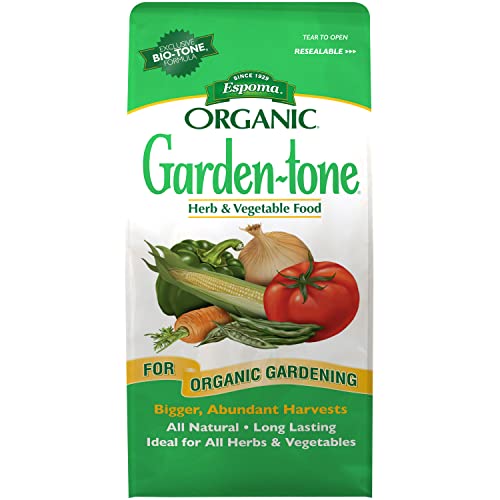
FOR USE ON: Use Garden-tone organic fertilizer for leafy vegetables like lettuce, kale & cabbage as well as warm season crops like tomatoes, peppers, squash & melons.

For more nutritious and tasty vegetables

Watering
Water thoroughly right after cutting back. Moisture reduces stress and helps plants recover quickly. Aim for 1-2 inches of water weekly, adjusting based on rainfall and temperature.
Monitoring Growth
Check your lettuce regularly for new growth. Look for tender, green leaves emerging within a week or two. If growth seems slow, reassess your watering and light conditions.
Fertilizing
Fertilizing provides essential nutrients. Use a balanced organic fertilizer once every few weeks. Lightly apply around the base of the plant to encourage growth without over-fertilizing.
Soil Moisture
Keep the soil consistently moist but not soggy. Test soil with your finger—if it feels dry 1-2 inches down, it’s time to water. Avoid letting the soil dry out completely, as this can hinder recovery.
Sunlight
Ensure your lettuce receives adequate sunlight. Aim for 6-8 hours of indirect sunlight daily, especially during the cooler parts of the day. Adjust any shading from nearby plants as necessary.
Pest and Disease Control
Inspect your lettuce for pests or disease signs. Look for discolored leaves, holes, or visible insects. Treat any issues immediately with organic pest control methods.
Seasonal Considerations
Adapt your care routine based on the season. In warmer months, increase watering and monitor for heat stress. In cooler months, ensure your plants have protection from frost.
By following these steps, your lettuce will thrive and continue to produce fresh, tender leaves throughout the growing season. Regular care and attention maximize both flavor and yield.
Conclusion
Cutting back your lettuce can be a rewarding experience that not only enhances your garden’s health but also boosts your harvest. By following the right techniques and caring for your plants post-trim, you’ll encourage fresh growth and keep your lettuce thriving.
Remember to keep an eye on those outer leaves and act before they start to bolt. With a little patience and attention, you’ll enjoy a continuous supply of crisp, delicious lettuce. Happy gardening and enjoy the fruits of your labor!
Frequently Asked Questions
What should I do with overgrown lettuce?
To manage overgrown lettuce, trim the outer leaves that have reached 4-6 inches in height before the plants bolt. Use sharp scissors or a knife to cut back gently, removing any damaged or yellowing leaves. This encourages fresh growth and promotes healthier plants.
When is the best time to cut back lettuce?
The ideal time to cut back lettuce is before it starts to bolt, usually in the morning when temperatures are cooler. This helps reduce stress on the plant and enhances the chances of new growth.
What tools do I need to cut back lettuce effectively?
Essential tools for cutting back lettuce include a sharp knife or garden shears, gloves for hand protection, and a cutting board for stability. These tools help ensure clean, precise cuts while minimizing damage to the plant.
How should I care for lettuce after cutting it back?
After cutting back lettuce, water the plants thoroughly to help them recover. Monitor for new growth and consider lightly fertilizing with a balanced organic fertilizer every few weeks. Keep the soil consistently moist and inspect for pests or diseases.
Can cutting back lettuce improve plant health?
Yes, cutting back lettuce can enhance plant health by preventing overcrowding, improving air circulation, and reducing disease risks. Regular trimming encourages new leaf growth and allows the plant to focus energy on the healthiest parts, leading to stronger and more productive plants.
