

Have you ever harvested a fresh batch of lettuce only to wonder how to keep it crisp and tasty? You’re not alone. Many gardeners face the challenge of cleaning and storing their leafy greens properly to avoid spoilage and waste.
This article will guide you through simple steps to clean your garden lettuce and store it effectively. With the right techniques, you can enjoy the freshness of your homegrown greens for days. Say goodbye to wilted leaves and hello to crisp salads that brighten your meals! Let’s get started on keeping your lettuce fresh and delicious.
Key Takeaways
- Proper Cleaning: Rinse lettuce thoroughly under cool water to remove dirt, insects, and contaminants, enhancing safety and flavor.
- Effective Storage Techniques: Use damp paper towels in a perforated bag or airtight containers to maintain moisture while preventing spoilage.
- Ideal Conditions: Store lettuce in the crisper drawer of the refrigerator at temperatures between 32°F and 36°F (0°C to 2°C) for optimal freshness.
- Regular Inspection: Regularly check stored lettuce for spoilage, removing any damaged leaves to extend the shelf life of the remaining greens.
- Avoid Common Mistakes: Don’t skip rinsing, neglect drying, or store different varieties together to prevent spoilage and maintain quality.
Importance Of Cleaning And Storing Lettuce
Cleaning and storing lettuce properly preserves its freshness and flavor. Proper techniques reduce the risk of contamination and extend shelf life, allowing you to enjoy your garden’s bounty longer.
Benefits Of Cleaning Lettuce
- Removes Contaminants: Cleaning removes dirt, insects, and potential pesticides using water and gentle rinsing.
- Enhances Flavor: Freshly cleaned lettuce tastes better in salads and dishes.
- Improves Safety: Removing contaminants minimizes exposure to harmful bacteria, providing safer consumption.
Benefits Of Storing Lettuce
- Extends Freshness: Proper storage methods maintain crispness and prevent wilting, keeping lettuce fresh for days.
- Reduces Waste: Efficient storage habits decrease spoilage, allowing you to use every leaf.
- Saves Time: Cleaned and stored lettuce simplifies meal prep, making it easy to add greens to your meals.
Effective Cleaning Techniques
- Rinse Thoroughly: Use cool water to rinse each leaf, ensuring all surface dirt is removed.
- Soak If Needed: For heavily soiled lettuce, soak in a bowl of water for a few minutes before rinsing.
- Dry Completely: Use a salad spinner or paper towels to remove excess moisture. Dry leaves stay fresh longer.
- Use Moist Paper Towels: Place cleaned lettuce leaves between damp paper towels in a plastic bag. This helps maintain moisture.
- Keep in the Refrigerator: Store lettuce in the crisper drawer of your refrigerator. The cool temperature helps preserve freshness.
- Check Regularly: Inspect stored lettuce for signs of spoilage, removing any damaged leaves to maintain overall quality.
Implementing these simple steps helps you enjoy your homegrown lettuce for longer while enhancing the flavors in your meals.
How To Clean Lettuce
Cleaning lettuce properly ensures it remains fresh and safe to eat. Follow these methods for effective cleaning.
Recommended Products

Maximum drying power: One-handed pump spins lettuce, herbs or fruit fast with minimal effort. Dry greens quickly with no plugs or cords needed.

One-Touch OXO Salad Spinner: Did you know that OXO invented the one-touch salad spinner? Its one-handed pump gives you maximum drying of lettuce with minimum effort

Safe Material: All parts of the salad spinner are made of food grade material, keep your ingredients safe and health; It’s an essential kitchen device, also suitable for RV, camping, etc; Top rack dishwasher safe
Method 1: Rinsing With Water
- Harvest the Lettuce: Cut the desired amount of lettuce leaves from the garden. Handle them gently to avoid bruising.
- Separate the Leaves: Tear the leaves apart carefully. This helps wash away dirt and grit more effectively.
- Rinse Under Cold Water: Place the separated leaves under cool running water. Gently rub the surfaces to remove any soil or debris.
- Shake Off Excess Water: Hold the leaves up and give them a gentle shake to let excess water fall off.
- Dry Thoroughly: Use a salad spinner for quick drying. If unavailable, lay the leaves on a clean kitchen towel and pat them dry gently.
- Prepare the Solution: Mix one part vinegar to three parts water in a large bowl or basin. Vinegar acts as a natural disinfectant.
- Soak the Leaves: Submerge the separated lettuce leaves in the vinegar solution for about 5 minutes. This step helps eliminate bacteria and pests.
- Rinse Again: After soaking, rinse the leaves thoroughly under cool running water. This removes any vinegar taste.
- Dry the Leaves: Use a salad spinner or a clean towel, as mentioned above, to ensure the leaves are dry before storing.
How To Store Lettuce
Storing lettuce correctly maintains its freshness and flavor. Follow these guidelines for optimal results.
Recommended Products
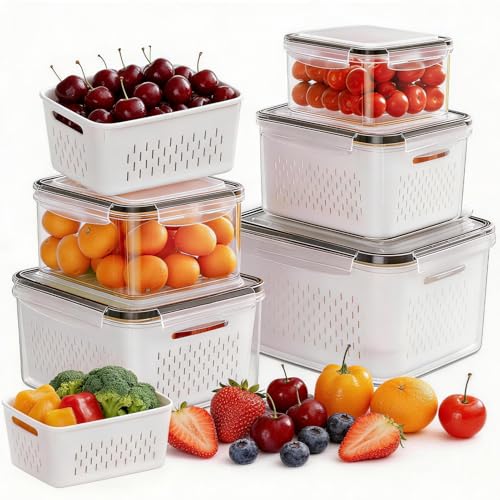
🍓【5 Pack Fruit Storage Set】 More Thicker fruit containers for fridge set include 5 pack of X-Large size 140 OZ(4.15L) + large size 106 OZ (3.15L) + medium size 57 OZ(1.7L) + small size 27 OZ(0.8L) +mini size 13 OZ(0.38L). The produce storage baskets are combined soaking, washing, draining and storage functions, makes your life easier. Various capacities can storage perfectly fit for most fruits, veggies and other food

【8 Pack Fruit Storage Set】 Fruit storage containers for fridge includes include 8 pack of large size 3.3QT (3.15L) * 2 + medium size 1.8QT(1.7L) * 2 +small size 0.85QT(0.8L) * 2+ mini size 0.4QT(0.38L) * 2. Various capacities perfect for most fruit, vegetable, lettuce, berry, cereal, meat, produce and other food storage
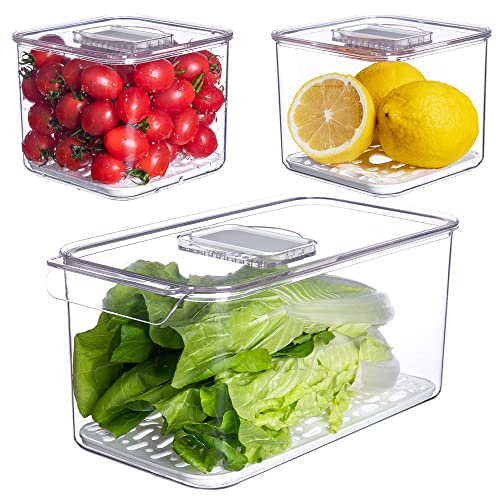
【Keep Fruits & Vegetables Fresh】These storage containers come with lids featuring adjustable vents that regulate airflow and humidity, helping to keep fruits and vegetables fresh in the refrigerator for up to 1–2 weeks.
Ideal Storage Conditions
Lettuce thrives in specific conditions. Aim for a temperature between 32°F and 36°F (0°C to 2°C). High humidity helps prevent wilting, so keep moisture levels around 95%. The crisper drawer of your refrigerator provides an ideal environment for lettuce. Utilize a thermometer to check your fridge’s temperature.
- Paper Towels: Store lettuce between damp paper towels. The moisture keeps leaves crisp. Place the wrapped lettuce in a perforated bag to allow airflow.
- Sealed Containers: Use airtight containers with a layer of paper towel inside. The towel absorbs excess moisture, reducing the risk of rot.
- Plastic Bags: A resealable plastic bag can work well. Gently wash and dry your lettuce, then place it in the bag. Puncture a few holes for ventilation.
- Leave Whole: Store whole heads of lettuce if possible. This method retains moisture better than pre-washed leaves. Wash only before use.
- Freezing: If you can’t use your lettuce in time, consider freezing. Blanch leaves in boiling water for 2-3 minutes, plunge in cold water, and dry before freezing. Use within 6 months for the best quality.
Apply these methods, and you’ll enjoy crisp, fresh lettuce longer.
Common Mistakes To Avoid
- Skipping the Rinse: Don’t skip rinsing your lettuce. Dust, soil, and pesticides can cling to leaves. Rinse under cool running water to remove these contaminants.
- Using Too Much Water: Avoid soaking lettuce in a bowl of water for too long. It can lead to sogginess, washing away flavor and nutrients.
- Neglecting to Dry: Don’t forget to dry your lettuce completely. Excess moisture leads to wilting and spoilage. Use a salad spinner or a clean kitchen towel for effective drying.
- Storing in Plastic Bags: Skip plastic bags for storage. They trap moisture and promote rot. Instead, use breathable containers or wrap lettuce in paper towels.
- Mixing Varieties: Avoid storing different lettuce types together. They have varying moisture levels, which can cause one type to wilt or spoil faster.
- Ignoring Temperature: Don’t store lettuce at room temperature. Refrigeration is key. Keep it in the crisper drawer at a temperature between 32°F and 36°F (0°C to 2°C).
- Freezing Whole Leaves: Skip freezing whole leaves if you plan to use them fresh. Instead, chop and blanch the leaves first before freezing for future use. This preserves texture and flavor.
- Prolonging Storage: Avoid keeping lettuce too long. Regularly check for wilting or browning. Discard any damaged leaves promptly to prevent affecting good ones.
Conclusion
Taking the time to clean and store your garden-fresh lettuce properly makes all the difference in enjoying its crispness and flavor. By following the right techniques and avoiding common pitfalls you’ll keep your lettuce looking and tasting great for longer. Remember to handle it gently and store it in a way that preserves its freshness. With these simple steps you can elevate your meals and reduce waste. Happy gardening and enjoy your delicious homegrown lettuce!
Frequently Asked Questions
Recommended Products

COMPACT SALAD SPINNER, BIG PERFORMANCE — Small salad spinner packs full-size drying power in a space-saving design. One-hand pump spins lettuce, herbs & greens dry in seconds. Best rated by thousands. Perfect for apartments, couples & small kitchens.

LARGE PREMIUM STAINLESS STEEL BOWL: The salad spinner features a large, practical 5.3 quart 304 stainless steel bowl, ensures durability and a sleek appearance.

ONE-TOUCH, ONE-HANDED SPINNING POWER: Effortlessly wash and dry lettuce, herbs, berries, and produce with a simple press. The easy one-touch pump delivers powerful spinning with minimal effort, while the brake button stops the basket instantly for swift, controlled drying—no cords, no electricity, just smart kitchen gadgets that work.
Why is cleaning lettuce important?
Properly cleaning lettuce is essential to remove contaminants, pesticides, and bacteria, ensuring it’s safe to eat. This process not only protects your health but also enhances the flavor and overall quality of the lettuce.
How should I clean lettuce?
To clean lettuce, rinse the leaves thoroughly under cold running water. Pay special attention to the crevices where dirt can hide. After rinsing, gently dry the leaves with a salad spinner or clean cloth to remove excess moisture.
What’s the best way to store cleaned lettuce?
Store cleaned lettuce between layers of damp paper towels in an airtight container or a produce bag. This helps maintain humidity and prevents wilting, prolonging the lettuce’s freshness in the refrigerator.
Can I freeze lettuce?
While you can freeze lettuce, it’s best to blanch the leaves first to maintain their texture and flavor. Freezing raw leaves can lead to a mushy texture when thawed, making them less suitable for salads.
What are common mistakes when storing lettuce?
Common mistakes include skipping the rinse, not drying thoroughly, using plastic bags for storage, and mixing different lettuce varieties. These can lead to quicker spoilage and reduced freshness of your lettuce.
How long can I keep lettuce in the fridge?
When stored properly, cleaned lettuce can last about 5-7 days in the refrigerator. However, check for signs of spoilage regularly to ensure it stays fresh for as long as possible.
Should I refrigerate lettuce?
Yes, lettuce should always be refrigerated to maintain its freshness. Ideally, store it in the crisper drawer, where the temperature and humidity levels are optimal for leafy greens.
