

Are you struggling to keep your water lettuce thriving in your pond or aquarium? You’re not alone. Many plant lovers find it tricky to maintain this beautiful floating plant, which can add a lush touch to your aquatic space while improving water quality.
Key Takeaways
- Understanding Water Lettuce: Water lettuce (Pistia stratiotes) thrives in warm, shallow waters up to 12 inches deep and plays a crucial role in improving water quality by absorbing nutrients and providing shade.
- Ideal Growing Conditions: Water lettuce requires at least 6 hours of direct sunlight daily and water temperatures between 70°F and 85°F to flourish effectively.
- Nutrient and Care Needs: This plant thrives in nutrient-rich environments; use a balanced aquatic fertilizer every 4 to 6 weeks and monitor for signs of nutrient deficiencies like yellowing leaves.
- Pest Management: Regularly inspect for aphids and mealybugs, and maintain water cleanliness to prevent disease. Quick removal of any infected leaves promotes plant health.
- Propagation Techniques: Water lettuce primarily propagates through offshoots. To promote growth, ensure proper light, water depth, and nutrient levels when separating and planting offshoots.
- Harvesting Best Practices: Harvest water lettuce when overcrowded or when leaves turn yellow. Use scissors to cut effectively and monitor water quality post-harvest to maintain a healthy environment.
Understanding Water Lettuce
Water lettuce is a floating aquatic plant that adds beauty to ponds and aquariums. This unique plant helps improve water quality by absorbing nutrients and offering shade. To care for it effectively, you should understand its characteristics and benefits.
What Is Water Lettuce?
Water lettuce (Pistia stratiotes) features rosettes of light green leaves that can reach up to 12 inches across. It thrives in warm, shallow waters with plenty of sunlight. The roots dangle beneath the surface, providing excellent filtration for the water. This plant reproduces quickly through vegetative propagation, so it can spread rapidly in suitable environments.
Benefits of Water Lettuce
Water lettuce offers several advantages for your aquatic setup:
- Water Quality Improvement: It absorbs excess nutrients, helping control algal blooms.
- Habitat Creation: The leaves provide shelter for small fish and aquatic organisms.
- Aesthetic Appeal: Its lush, green foliage enhances the visual appeal of ponds and tanks.
- Oxygenation: Water lettuce contributes to oxygen production, improving overall water health.
These benefits make water lettuce a valuable addition to your aquatic landscape.
Ideal Growing Conditions
Water lettuce thrives in specific conditions. To keep it healthy, focus on water and light requirements, as both significantly impact its growth and vitality.
Water Requirements
Water lettuce prefers warm, shallow water bodies. Ideally, maintain a depth of 6 to 12 inches. Ensure the water temperature stays between 70°F and 85°F. Regularly check the water quality; the plant does best in water that is low in chlorine and free from contaminants. You can use a dechlorinator if necessary. Since it absorbs nutrients directly, nutrient-rich water can promote vigorous growth. However, avoid overly stagnant water, as it can lead to algae blooms, harming the plant.
Light Requirements
Water lettuce needs ample sunlight for optimal growth. Aim for at least 6 hours of direct sunlight daily. Place it in a location where it receives bright, indirect sunlight if you’re growing it indoors. Too little light can lead to stunted growth and yellowing leaves. Conversely, intense direct sunlight can scorch the leaves, so monitor the conditions closely. Using a floating platform can provide a balance by allowing partial shade while still promoting healthy growth.
Planting Water Lettuce
Planting water lettuce requires attention to specific conditions that promote optimal growth. By selecting the right location and understanding propagation methods, you can ensure your water lettuce flourishes.
Recommended Products

LIVE PLANTS: Package includes 5 fresh water plants with vibrant green leaves and buoyant bulbs for immediate pond use
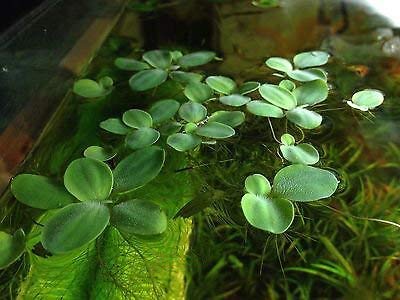
12 Dwarf Water Lettuce, Pistia stratiotes, Live Aquarium/Floating/Aquatic Plant

You get 1 Water Lettuce 3-5" in diameter ready to float on your pond
Choosing the Right Location
Choose a location that receives at least 6 hours of direct sunlight each day. Select warm, shallow water bodies with a depth between 6 to 12 inches. Ensure the water temperature stays within 70°F to 85°F. Avoid areas with strong water currents or excessive debris. Look for spots where water lettuce can float freely, allowing its roots to access nutrients while providing shade and cover for aquatic life.
Propagation Methods
Propagation of water lettuce occurs primarily through runners. After the parent plant matures, it produces offshoots that can be separated. Follow these steps for successful propagation:
- Observe parent plants for offshoots.
- Gently detach the runner from the parent plant.
- Place the offshoot in a suitable location following previous guidelines for sunlight and water depth.
- Monitor its growth and adjust conditions as needed.
Alternatively, you can introduce water lettuce seeds, though this method takes longer. Ensure seeds are sown in nutrient-rich water to encourage successful germination. Keep the area free of debris to facilitate growth.
These steps will help you successfully plant and propagate water lettuce, enhancing the beauty and health of your aquatic environment.
Maintenance and Care
Caring for water lettuce involves understanding its nutrient requirements and managing potential pests and diseases effectively.
Nutrient Needs
Water lettuce thrives in nutrient-rich environments. Fertilizing your water lettuce promotes lush, healthy growth. Use a balanced aquatic fertilizer designed for ponds or aquariums. Apply the fertilizer according to package instructions, typically every 4 to 6 weeks during the growing season.
Monitor the nutrient levels in the water. Helpful indicators include yellowing leaves, which can signify a nutrient deficiency. If you notice this, test the water for low nitrogen, phosphorus, or potassium levels.
You may also boost nutrients with organic options. Adding compost or liquid fish emulsion can enrich the water and improve overall plant health. Maintaining a nutrient balance gets you vibrant, flourishing water lettuce.
Pest and Disease Management
Pests can pose challenges to water lettuce. Most pests include aphids and mealybugs, which feed on plant sap. Regularly inspect the leaves for signs of infestations. If you find any pests, gently wash them off with water or use insecticidal soap.
Disease management involves keeping the water clean and maintaining good air circulation. Avoid stagnant water, as it encourages disease development. Performing routine water changes helps manage algae growth and keeps the environment healthy for your plants.
In case of disease, remove any infected leaves immediately. Discard them to prevent spreading to healthy parts of the plant. Keeping a close eye on the water quality and plant health ensures your water lettuce remains a beautiful, thriving addition to your aquatic landscape.
Harvesting Water Lettuce
Harvesting water lettuce helps maintain its health and promotes new growth. It’s essential to know when and how to do this effectively.
Signs of Readiness
Look for specific signs that indicate it’s time to harvest water lettuce:
- Overcrowded Growth: When rosettes start to crowd one another, it’s time to thin the population. Healthy clumps should have space to grow.
- Yellowing Leaves: If leaves turn yellow, remove them promptly. This indicates the plant is stressed or unhealthy.
- Size Maturity: When rosettes achieve a width of about 6 to 12 inches, consider harvesting. Mature plants grow more efficiently and require less maintenance.
Proper Harvesting Techniques
Use effective techniques to ensure a successful harvest:
- Prepare Tools: Grab a pair of garden gloves and scissors. Using gloves protects your hands, and scissors provide a clean cut.
- Select Plants: Choose the overgrown or unhealthy plants. Look for signs of crowding or yellowing.
- Cut the Base: Cut each rosette near its base, ideally 1 inch above the roots. This prevents damage to remaining plants.
- Remove Debris: Gather cut plants and debris from the water. This step keeps the water clean and reduces the risk of rot.
- Check Water Quality: After harvesting, monitor your water quality. Remove any excess nutrients to maintain a healthy environment.
By following these tips, you can ensure efficient harvesting of water lettuce, promoting its longevity and enhancing your aquatic setting.
Conclusion
Caring for water lettuce can be a rewarding experience that adds beauty and benefits to your aquatic space. By providing the right conditions like warm temperatures and plenty of sunlight you’ll help your plants thrive. Regular maintenance including monitoring water quality and checking for pests ensures your water lettuce stays healthy.
Don’t forget the joy of harvesting as it promotes new growth and keeps your plants looking their best. With a little attention and care you can enjoy a lush and vibrant aquatic environment that enhances both the aesthetic and ecological balance of your pond or aquarium. Happy gardening!
Frequently Asked Questions
What is water lettuce and its benefits?
Water lettuce (Pistia stratiotes) is a floating aquatic plant known for its light green rosettes of leaves. It improves water quality by absorbing excess nutrients, provides habitat for aquatic life, enhances aesthetic appeal, and contributes oxygen to the water.
What conditions do water lettuce need to thrive?
Water lettuce thrives in warm, shallow waters with a depth of 6 to 12 inches and temperatures between 70°F to 85°F. It requires at least 6 hours of direct sunlight daily and prefers low-chlorine, nutrient-rich, and contaminant-free water.
How do you plant water lettuce?
To plant water lettuce, choose a warm, shallow area with plenty of sunlight and minimal debris or strong currents. Allow the plants to float freely on the surface, as they do not need to be anchored or buried.
How can I propagate water lettuce?
Water lettuce primarily propagates through runners produced by mature plants. You can also grow it from seeds, but this method takes longer. Ensure conditions are optimal for successful propagation.
What maintenance does water lettuce require?
Regularly fertilize water lettuce with a balanced aquatic fertilizer every 4 to 6 weeks. Monitor nutrient levels, inspect for pests like aphids, and ensure clean water and good air circulation to prevent disease.
When should I harvest water lettuce?
Harvest water lettuce when growth becomes overcrowded, leaves yellow, or the plants reach maturity. Proper harvesting techniques include cutting at the base, removing certain plants to promote healthy growth, and checking water quality afterward.
How can I manage pests on water lettuce?
Common pests include aphids and mealybugs. Regularly inspect your plants and gently remove any pests you find. Maintaining healthy water conditions and monitoring plant health can also help reduce infestations.
How does harvesting affect water lettuce?
Harvesting keeps water lettuce healthy by reducing overcrowding, encouraging new growth, and maintaining overall vitality. It’s essential to follow the correct techniques to ensure the plant continues to thrive post-harvest.
