

Have you ever wanted to enjoy fresh, crisp lettuce right from your own balcony or patio? Growing lettuce in pots is a fantastic way to bring a bit of green into your space while ensuring you have healthy greens at your fingertips.
Caring for lettuce in containers can seem tricky, but it doesn’t have to be. With the right tips and techniques, you can cultivate a thriving crop that not only looks great but tastes even better. This article will guide you through everything you need to know about potting, watering, and nurturing your lettuce plants, so you can enjoy your homegrown harvest in no time.
Key Takeaways
- Variety Selection: Choose suitable lettuce varieties for pots, like leaf lettuce for quick harvests or romaine for crisp salads, ensuring they thrive in your climate and container size.
- Pot Preparation: Use containers that are at least 6-12 inches deep with well-draining soil, ideally enriched with organic matter to support healthy root development and moisture retention.
- Watering Practices: Maintain consistent moisture by watering 1-2 inches per week and checking soil dryness, while watering in the morning to prevent fungal issues.
- Fertilization Routine: Apply a balanced fertilizer at planting and every 3-4 weeks during growth to promote healthy foliage, using diluted organic options for better results.
- Pest Management: Implement preventative measures like row covers, crop rotation, and regular inspections to protect lettuce from common pests such as aphids and snails.
- Harvesting Techniques: Harvest at the right time for optimal flavor, using cutting methods for outer leaves or carefully pulling or twisting head varieties to minimize damage to the plant.
Choosing the Right Lettuce Varieties
Selecting the right lettuce varieties is essential for successful pot cultivation. Different types of lettuce thrive in various conditions, so knowing your options makes a significant difference.
Leaf Lettuce
Leaf lettuce grows quickly and can be harvested multiple times. Varieties like Butterhead and Looseleaf are popular for potting. Choose these for their tender leaves and vibrant colors. They thrive in cooler temperatures, making them ideal for early spring or fall planting. Harvesting leaf lettuce can start just a few weeks after planting. Regular picking encourages more growth.
Romaine Lettuce
Romaine lettuce offers a crisp texture and holds well in salads. Varieties such as Little Gem or Parisian work well in containers. These types prefer a bit more space than leaf lettuces, so use pots that are at least 10 inches deep. Romaine grows best in full sunlight with consistent watering. Expect to harvest romaine around 70 to 80 days post-seeding, depending on the variety. Snipping the outer leaves allows for continual growth while enjoying fresh greens.
Preparing the Pots for Lettuce
Preparing pots for lettuce ensures optimal growth and health. Focus on the size and soil mix to create the best environment for your greens.
Recommended Products
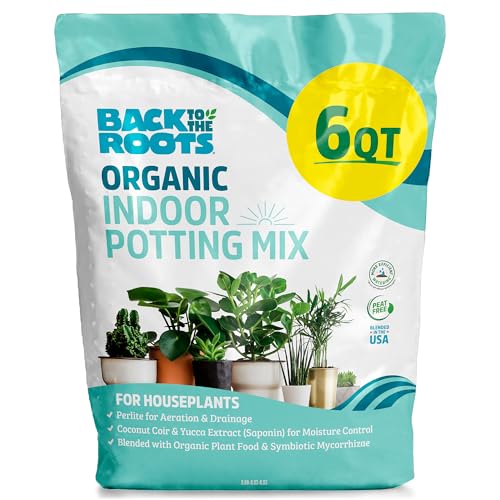
Includes 6qt of Back to the Roots Indoor Potting Mix. Our Potting Mix contains organic yucca extract that aids in retaining moisture in the soil which keeps your indoor plants happy and healthy

Organic Perlite Soil Conditioner: 120-quart organic perlite provides a clean, sterile, pH-neutral mineral medium for soil conditioning, supporting improved drainage and aeration
Selecting the Appropriate Pot Size
Selecting the right pot size is crucial for lettuce growth. Use pots that are at least 6 to 12 inches deep. Leaf lettuce thrives in shallow pots, while Romaine needs deeper containers. If space allows, consider using larger pots that can accommodate multiple plants. This setup encourages better root development and moisture retention.
Choosing the Right Soil Mix
Choosing the right soil mix also plays a vital role in growing lettuce. Use a lightweight, well-draining potting mix that retains moisture without becoming soggy. Look for a mix containing organic matter, such as compost, to enrich the soil with nutrients. You can also add perlite or vermiculite to improve drainage. Aim for a pH level between 6.0 and 7.0 to create an ideal growing environment.
Watering and Fertilizing Lettuce
Watering and fertilizing your lettuce are crucial for healthy growth. Consistent moisture and nutrients keep the leaves vibrant and crisp.
Recommended Products
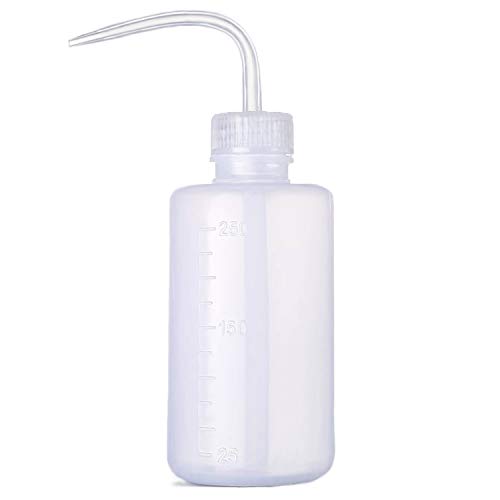
SIZE & QUANTITY: Squeeze bottle sizes approximately 6.7x2.5 inch / 170*62.5mm. Come with 1 pack 250ml/8oz watering bottle.

✔ HIGH-QUALLTY FINISH: Made of rust-proof stainless steel, the watering can is protected from wear and rust, lasting for indoor and outdoor use.
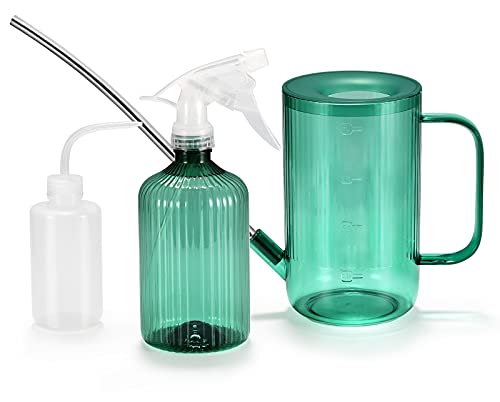
【Long Detachable Spout】-The stainless steel long-stem spout of watering can indoor plants helps you water precisely into the roots without splashing and waste, make water pouring easier. The spout is detachable for easy storage. Please make sure to push the spout way in until you can't insert anymore.
Watering Techniques
Water your lettuce regularly to maintain soil moisture. Check the top inch of the soil; if it feels dry, it’s time to water. Aim for about 1-2 inches of water per week, either from rainfall or irrigation. Water in the morning to minimize evaporation and reduce the risk of fungal diseases. Use a watering can or a garden hose with a fine spray nozzle to gently water the plants, avoiding splashing the leaves, which can lead to rot.
Fertilization Schedule
Fertilizing your lettuce promotes strong growth. Start with a balanced fertilizer, such as a 10-10-10 NPK mix, applied at planting. Follow up with additional fertilization every 3-4 weeks during the growing season. Dilute the fertilizer according to package instructions to avoid over-fertilization. Organic options like fish emulsion or compost tea work well, too. Apply fertilizer when watering to ensure even distribution of nutrients.
Pest and Disease Management
Pest and disease management is essential for growing healthy lettuce in pots. Addressing these issues early can prevent significant damage to your plants.
Common Pests
Common pests that affect lettuce in pots include:
- Aphids: Tiny, soft-bodied insects that cluster on new growth. Aphids sap nutrients, causing leaves to yellow.
- Snails and Slugs: These creatures feed on leaves, leaving behind holes and a slimy trail.
- Leaf Miners: Larvae that burrow into leaves, creating winding tunnels that reduce aesthetics and plant vigor.
- Whiteflies: Small, white insects that hover around the plant. They also feed on sap, weakening the plant.
- Cutworms: Caterpillars that cut seedlings at the base, leading to sudden plant collapse.
Preventative Measures
Implementing preventative measures helps protect lettuce from pests and diseases:
- Use Row Covers: Lightweight fabric can shield young plants from pests while allowing light and moisture in.
- Maintain Plant Spacing: Adequate spacing improves air circulation, reducing humidity and fungal diseases.
- Rotate Crops: Change the location of your lettuce pots each growing season to prevent soil-born pests from establishing.
- Inspect Regularly: Check your plants weekly for early signs of pests, addressing them quickly to avoid infestations.
- Encourage Beneficial Insects: Attract ladybugs and lacewings by planting flowers nearby. These insects prey on harmful pests.
By adopting these strategies, you enhance your lettuce’s chances of thriving in pots while minimizing the impact of pests and diseases.
Harvesting Lettuce Successfully
Harvesting lettuce from pots is a rewarding experience that ensures fresh greens for your meals. Timing and technique play crucial roles in ensuring you get the best flavor and texture from your lettuce.
When to Harvest
Harvest your lettuce when the leaves reach a usable size, typically within 30 to 60 days after planting. For looseleaf varieties, leave the outer leaves intact and pick the mature ones. For head lettuce, wait until the heads feel firm. Check daily, as lettuce can quickly become bitter if left too long.
Techniques for Harvesting
Use these techniques for successful lettuce harvesting:
- Cutting: Use sharp kitchen scissors to snip the outer leaves at their base, leaving the inner growth for further harvests.
- Pulling: Gently pull the entire plant from the pot. This method suits looseleaf varieties that allow for a complete harvest.
- Twisting: For romaine or butterhead, twist the base of the head to detach it while avoiding damage to surrounding plants.
Always harvest in the morning for the best flavor. If conditions are hot, consider misting the leaves with water to keep them crisp during the process.
Conclusion
Caring for lettuce in pots can be a rewarding experience. With the right attention to detail your pots can flourish with fresh greens. Remember to keep an eye on watering and fertilization while also staying vigilant against pests.
When it’s time to harvest enjoy the satisfaction of picking your own lettuce. By following these tips you can create a thriving container garden that not only enhances your meals but also beautifies your space. Happy gardening and enjoy those crisp, delicious salads!
Frequently Asked Questions
What are the benefits of growing lettuce in pots?
Growing lettuce in pots allows for better control over soil quality, drainage, and sunlight exposure. It’s ideal for small spaces like balconies or patios, making it accessible for urban gardeners. This method also allows for easier pest management and provides a chance to enjoy fresh, homegrown lettuce.
How should I prepare pots for growing lettuce?
To prepare pots for growing lettuce, select containers with proper drainage holes. Fill them with a quality potting mix rich in organic matter. Ensure that the pot is deep enough to accommodate lettuce roots, typically at least 6-8 inches deep, for optimal growth.
How often should I water potted lettuce?
Potted lettuce should be watered regularly to keep the soil consistently moist but not soggy. Check the top inch of the soil; if it feels dry, it’s time to water. In hot weather, you may need to water daily to prevent wilting.
What fertilizers are best for lettuce in pots?
Use a balanced, slow-release fertilizer or organic options like compost or worm castings. Applying a liquid nutrient solution every few weeks can also support healthy growth. Follow the manufacturer’s instructions for the best results.
How can I manage pests on my potted lettuce?
To manage pests like aphids and snails, regularly inspect your plants. Use insecticidal soap or neem oil for aphids and set up beer traps or handpick snails. Encouraging natural predators like ladybugs can also help control pest populations.
When should I harvest my lettuce?
Harvest lettuce when heads are firm and leaves are vibrant. For leaf types, you can start picking once they reach 4-6 inches tall. Timing is best in the morning when moisture is high, which enhances flavor and crispness.
What are the best techniques for harvesting lettuce?
When harvesting lettuce, use scissors to cut leaves about an inch above the base or twist and pull gently for loose-leaf varieties. Make sure to avoid cutting too close to the root to promote regrowth for multiple harvests.
