

Have you ever looked at your once-vibrant lettuce plant and wondered if it could bounce back? You’re not alone. Many gardeners face the challenge of reviving struggling plants, and lettuce is no exception. Whether it’s drooping leaves or a faded color, it’s disheartening to see your hard work go to waste.
Key Takeaways
- Identify Distress Signs: Look for drooping, yellowing leaves, and stunted growth to assess your lettuce plant’s health early on.
- Watering Balance: Ensure consistent watering, checking soil moisture regularly to avoid underwatering or overwatering.
- Optimal Lighting: Provide 6 to 8 hours of sunlight daily, while offering shade during extreme heat to prevent wilting.
- Nutrient-Rich Soil: Use well-draining, nutrient-filled soil and consider adding compost or balanced fertilizers for healthy growth.
- Temperature Management: Keep lettuce in cooler conditions (60-65°F) to prevent bolting and maintain flavor.
- Promote Air Circulation: Ensure proper spacing between plants to enhance airflow, reducing humidity and disease risks.
Understanding Lettuce Plant Health
You must recognize the signs of distress in your lettuce plants to revive them. Identifying issues early on improves your chance of success.
Common Signs of Distress
Look for drooping, yellowing leaves, and stunted growth. These symptoms indicate that your lettuce is struggling. Wilted leaves often result from underwatering, while yellowing can stem from overwatering, nutrient deficiencies, or disease. Check for pests, as they can also cause damage. Monitor your plant’s overall appearance; a lack of vibrancy or vigor often signals trouble.
- Watering: Insufficient or excessive water can directly impact growth. Water your lettuce regularly but ensure proper drainage.
- Light: Lettuce thrives in full sun but can wilt in extreme heat. Aim for 6 to 8 hours of sunlight daily, but provide shade during the hottest part of the day.
- Soil Quality: Nutrient-rich, well-draining soil is essential. Use compost or a balanced fertilizer to boost nutrients without overwhelming the plant.
- Temperature: Lettuce prefers cooler temperatures around 60-65°F (15-18°C). High temperatures can cause bolting or bitterness.
- Air Circulation: Good airflow around your plants reduces humidity and minimizes disease risk. Avoid overplanting to ensure space for air movement.
Reviving Your Lettuce Plant
Reviving a lettuce plant requires careful attention to its specific needs. Following these steps can help bring your wilted or discolored plant back to life.
Recommended Products

For more nutritious and tasty vegetables

FEEDS ALL PLANTS: Miracle-Gro Water Soluble All Purpose Plant Food is a plant fertilizer that feeds all outdoor, in-ground and indoor plants, including roses, flowers, houseplants, vegetables, and trees

This fertilizer is blended especially for acid lovers such as rhododendrons, azaleas, camellias, hydrangeas, evergreens, blueberries, raspberries, strawberries, potatoes and other plants that need a low pH
Step 1: Assess the Damage
Inspect your lettuce plant closely. Look for drooping leaves, yellowing, or wilting. Check for signs of pests or disease. Ensure the roots are not rotten or overly dry. If roots appear brown and mushy, overwatering likely occurred. If they are shriveled and dry, underwatering might be the issue. Identifying these problems early ensures an effective recovery strategy.
Step 2: Proper Watering Techniques
Adjusting your watering technique plays a crucial role in revival. Water your lettuce deeply, allowing moisture to reach the roots. Test the soil moisture; it should feel damp but not soggy. Water again only when the top inch of soil feels dry. Consider using drip irrigation or a soaker hose to provide consistent moisture. Avoid watering at the hottest part of the day to minimize evaporation and leaf burn.
Step 3: Nutrient Boosting Options
Providing nutrients can greatly enhance your plant’s recovery. Use a balanced, all-purpose fertilizer or compost. Try a diluted liquid fertilizer every two weeks for quick nutrient absorption. Look for liquid fertilizers with a ratio like 5-10-10, which provides essential nitrogen, phosphorus, and potassium. Additionally, consider adding organic matter to the soil, like peat moss or well-rotted manure, to improve its nutrient content and structure.
Maintenance Tips for Healthy Growth
Healthy growth of lettuce plants depends on several key factors, including soil conditions and proper watering techniques.
Recommended Products

Kindly NOTE: This soil tester can not be applied to test pH value of any other liquid. If the soil is too dry the indicator will not move, and water it before testing.
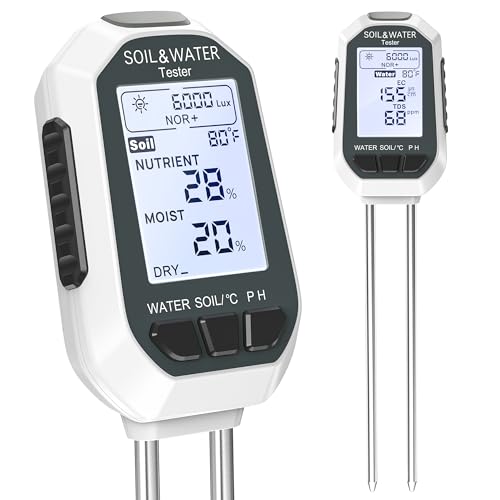
【7-in-1 Features】This is a 7-in-1 multi-function soil tester. Our soil tester quickly measures soil moisture, pH, temperature and light intensity, and its fertility function helps you take better care of your plants. With this device you can measure the soil moisture, pH, temperature and light intensity for your plants and with the EC and TDS functions you will know when it is time to water the soil.

Accurate Soil Moisture Detection: The XLUX Soil Moisture Meter can tell you if the soil deep inside your pot or garden is dry, moist or wet; whereas your eyes and fingers can only determine the moisture level of the soil surface. The probe is 5.5 inches (14 cm) longer than regular styles, allowing it to measure the soil moisture at the bottom of larger and deeper flower pots.
Ideal Soil Conditions
Ideal soil for lettuce contains a mix of organic matter and nutrients. Aim for loamy or sandy soil with good drainage. pH levels should remain between 6.0 and 7.0.
- Organic Matter: Incorporate compost or well-rotted manure to increase nutrient levels.
- Drainage: Ensure the soil drains well to prevent waterlogging. Raised beds work well for this purpose.
- Aeration: Loosen compacted soil using a garden fork to allow air circulation to the roots.
Best Practices for Watering
Proper watering maintains moisture balance without overwhelming the plant.
- Deep Watering: Water the base of the plant thoroughly to encourage deep root growth.
- Frequency: Water every 2-3 days, adjusting based on weather conditions.
- Morning Routine: Watering in the early morning reduces evaporation and fungal issues.
- Moisture Check: Stick your finger into the soil. If it feels dry up to the first knuckle, it’s time to water.
By following these maintenance tips, you’ll help your lettuce plants thrive and recover effectively.
Conclusion
Reviving your lettuce plant can be a rewarding experience. By paying attention to the signs of distress and taking the right steps, you can breathe new life into your greens. Remember to assess the damage and adjust your watering and nutrient levels accordingly.
With a little care and attention, you’ll not only restore your lettuce but also set the stage for healthy growth in the future. Enjoy the journey of nurturing your plants and watch them flourish once again. Happy gardening!
Frequently Asked Questions
What are the signs of distress in lettuce plants?
To identify struggling lettuce plants, look for drooping or yellowing leaves, stunted growth, and pest damage. These symptoms often indicate issues such as underwatering, overwatering, or nutrient deficiencies.
How can I revive a drooping lettuce plant?
Start by assessing the damage through inspection. Check for signs of overwatering or underwatering, and then adjust your watering technique. Consider deep watering and applying a balanced fertilizer to nourish the plant.
What is the best watering technique for lettuce?
Deep watering is recommended, ideally every 2-3 days. Water at the plant’s base in the early morning to minimize evaporation and ensure that the soil maintains consistent moisture without waterlogging.
What type of soil is best for growing lettuce?
Lettuce thrives in loamy or sandy soil with good drainage, and a pH level between 6.0 and 7.0. Incorporating organic matter can also improve soil structure and nutrient availability.
How can I ensure healthy growth for my lettuce?
Provide optimal conditions such as regular watering, sufficient sunlight, nutrient-rich soil, and good air circulation. Maintain a consistent watering schedule and monitor your plants for any signs of stress or pests.
