

Ever wondered how you can keep those fresh, crunchy carrots coming all season long? Picture this: you plant a batch, eagerly await the harvest, and before you know it, they’re all gone. Fret not, as we’ve got your back with the ultimate guide to achieving a continuous supply of these vibrant veggies right in your own backyard.
Selecting the Right Carrot Varieties
- Length: Pick varieties that match your soil type and depth.
- Color: Choose from a range like orange, purple, or yellow for a vibrant mix.
- Shape: Opt for straight or cylindrical shapes, depending on your preference.
- Flavor: Select based on whether you prefer sweet, mild, or bold flavors.
- Experiment with different kinds to find what grows best in your backyard.
Recommended Products

HEIRLOOM BABY CARROT VARIETY - Little Finger carrots are small but mighty, producing sweet, crisp roots just 3–4 inches long that are perfect for fresh snacking or gourmet meals

FALL AND WINTER VEGETABLE SEEDS: 8 non-GMO heirloom varieties for planting vegetables in cool weather gardens, cold frames, raised beds, and containers

Set includes 43 lightly assorted Vegetable and Herb seeds!
Succession Planting Method
When planting carrots for continuous harvest, succession planting is a key technique. This method involves sowing seeds at regular intervals to ensure a steady supply of carrots throughout the growing season. Here’s how you can effectively implement the succession planting method in your backyard:
- Start Early: Begin by planting the first batch of carrot seeds as soon as the soil is workable in the spring.
- Regular Intervals: Sow seeds every 2-3 weeks to stagger the maturity of the carrots.
- Harvest and Replant: As you harvest mature carrots, immediately replant that space with new seeds to fill the gap.
- Extend the Season: Continue planting until about 10-12 weeks before the first fall frost date to maximize your harvest.
| Key Point | Details |
|---|---|
| Starting Seeds | Begin as soon as soil is workable |
| Interval | Sow every 2-3 weeks |
| Harvesting | Replant immediately after harvest |
| End Planting | About 10-12 weeks before frost |
Recommended Products

Sweet Scarlet Nantes Roots - Grow orange, nearly coreless carrots with a tender bite and classic cylindrical shape. Harvest roots around 6-7 inches for fresh garden snacks, salads, roasting, soups and juicing.
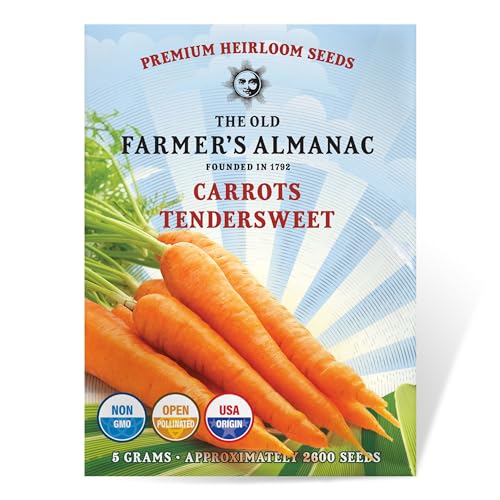
Premium Seeds: Tendersweet heirloom carrot variety offering approximately 2600 seeds for extensive garden planting and multiple growing seasons
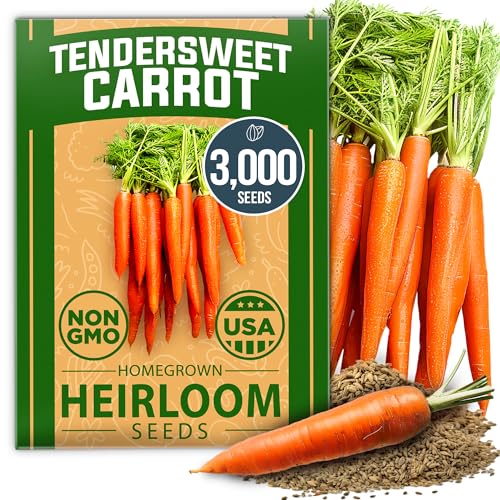
Premium Tendersweet Carrot Seeds: Authentic Open-Pollinated Premium Heirloom Seeds (USA) Non-GMO, Untreated, High Germination Rate. Phenomenal dessert Brix profile. High-impact carotene energy. An outstanding orange monolith for open ground, high ridges, and patio containers. Your garden bed is your pride.
Proper Soil Preparation
To achieve a continuous harvest of carrots, Proper Soil Preparation is essential. Here are some key steps you should follow:
- Ensure the soil is well-drained.
- Loosen the soil to at least 12 inches deep.
- Remove any rocks or debris that could impede carrot growth.
- Incorporate organic matter like compost to improve soil fertility.
- Avoid using fresh manure, as it can cause forked or stunted carrots.
By preparing your soil correctly, you create the ideal environment for your carrots to thrive and provide you with a bountiful harvest all season long.
Recommended Products


🌳 PROFESSIONALLY MIXED IN THE USA - Each bag is hand blended on our small family farm with premium horticultural grade ingredients: Coco Coir, Canadian Peat Moss, Perlite, Worm Castings- 1 QUART BAG

Ideal Growing Conditions
To achieve a continuous harvest of carrots, Ideal Growing Conditions play a crucial role. Here are some key factors to consider:
- Sunlight: Carrots thrive in full sunlight. Make sure they receive at least 6-8 hours of sunlight daily.
- Soil pH: Carrots prefer a pH level between 6.0 and 6.8. Test your soil and adjust if needed.
- Moisture: Maintain consistent moisture levels in the soil. Uneven watering can cause carrot roots to crack.
- Spacing: Plant your carrots in rows, ensuring 3-4 inches of space between seeds.
- Temperature: Carrots prefer cool weather. Plant them in early spring or late summer for optimal growth.
- Weeding: Keep your carrot patch free of weeds. Weeds can compete with carrots for nutrients and stifle growth.
- Mulching: Mulch around the carrots to regulate soil temperature and retain moisture.
- Pest Control: Monitor for pests like carrot rust flies and use appropriate pest control methods to protect your crop.
- Watering: Water deeply and consistently. Carrots need about 1 inch of water per week.
| Sunlight | 6-8 hours daily |
|---|---|
| Soil pH | 6.0-6.8 |
| Spacing | 3-4 inches |
| Watering | 1 inch per week |
Harvesting for a Continuous Supply
To ensure a continuous harvest of carrots, strategic planning is essential when it comes to harvesting. Here are some key tips to help you maintain a steady supply of these nutritious root vegetables:
- Successive Planting: Plant carrot seeds every two to three weeks for a staggered harvest throughout the season.
- Gentle Harvesting: When pulling carrots from the ground, be gentle to avoid damaging the roots.
- Storage Matters: Store harvested carrots in a cool, humid place such as the fridge or a root cellar to extend their freshness.
- Trimming Technique: Trim the green tops of the carrots to around an inch to preserve moisture and prevent wilting.
- Regular Checks: Check your carrot patch regularly for mature roots to harvest promptly and make space for new plantings.
By following these practical guidelines, you can sustain a continuous bounty of delicious, homegrown carrots to enjoy throughout the growing season.
Conclusion
You’ve learned the key factors for a bountiful carrot harvest: ideal growing conditions, strategic harvesting, and proper care techniques. By ensuring your carrots have the right environment, planning your harvests thoughtfully, and maintaining your crop diligently, you can enjoy a continuous supply of fresh, flavorful carrots all season long. Keep implementing these tips, and you’ll soon be savoring the rewards of your labor with every crunchy bite of your homegrown carrots. Happy growing!
Frequently Asked Questions
What are the key factors for ideal growing conditions of carrots?
Carrots thrive in full sun, well-draining soil with a pH of 6.0-6.8, consistent moisture, spaced 2 inches apart, cool temperatures, weed-free environment, mulching, pest control, and regular watering.
How can I ensure a continuous harvest of carrots?
Plan for successive plantings every 2-3 weeks, use gentle harvesting techniques to avoid damage, store harvested carrots in a cool, humid place, trim excess foliage, check for maturity regularly, and make space for new plantings in your garden.
What is the importance of strategic planning for harvesting carrots?
Strategic planning ensures a steady supply of fresh carrots throughout the growing season by maximizing space, time, and resources, ultimately leading to a continuous bounty of delicious, homegrown carrots.
