

Are you struggling to keep your indoor lettuce thriving? It can be tricky to strike the right balance when it comes to watering. Too much or too little can lead to wilted leaves or even root rot.
Key Takeaways
- Watering Frequency: Ideally, water indoor lettuce every 2 to 3 days, adjusting based on environmental factors like light, temperature, and humidity.
- Soil and Drainage: Use well-draining potting soil and pots with drainage holes to prevent water accumulation, essential for healthy root systems.
- Environmental Monitoring: Maintain optimal conditions by checking light exposure (12-16 hours daily), temperature (60°F to 70°F), and humidity levels (40%-70%).
- Signs of Water Issues: Recognize symptoms of overwatering (yellowing leaves, mushy roots) and underwatering (wilting, dry leaves) to adjust care appropriately.
- Container Size: Choose containers 6 to 10 inches in diameter for individual plants; larger containers are needed for multiple plants to support healthy growth.
- Common Mistakes: Avoid neglecting environmental conditions and drainage solutions to ensure your indoor lettuce thrives.
Understanding Lettuce Needs
Lettuce requires specific care to thrive indoors, especially regarding watering practices. Finding the right balance ensures healthy growth and flavorful harvests.
Importance Of Watering
Watering influences lettuce growth significantly. Consistent moisture keeps leaves crisp and vibrant. Too little water leads to wilting and bitterness, while too much results in root rot and diseases. Aim for a routine that maintains steady hydration without drowning the plants.
Factors Influencing Watering Frequency
Several factors affect how often you should water your indoor lettuce:
- Light Exposure: More light often means quicker drying. If your lettuce sits by a sunny window, consider watering more frequently.
- Temperature: Warmer temperatures lead to faster evaporation. During hot spells, check soil moisture daily.
- Humidity: High humidity can slow evaporation. If your home is humid, you might stretch the time between waterings.
- Pot Size: Smaller pots retain less water. If your lettuce is in a compact container, monitor it closely and water as needed.
- Soil Type: Well-draining soil dries out faster. If using a lightweight mix, increase your watering frequency.
Consider these factors to develop a tailored watering schedule that meets your lettuce’s specific needs.
Recommended Watering Schedule
A consistent watering schedule ensures that your indoor lettuce thrives. You should consider various factors that affect the frequency of watering for optimal health.
Recommended Products

Accurate Soil Moisture Detection: The XLUX Soil Moisture Meter can tell you if the soil deep inside your pot or garden is dry, moist or wet; whereas your eyes and fingers can only determine the moisture level of the soil surface. The probe is 5.5 inches (14 cm) longer than regular styles, allowing it to measure the soil moisture at the bottom of larger and deeper flower pots.

Soil Moisture Meter: This single probe soil moisture meter is specially designed for testing the moisture level in the soil, helps you decide whether the plants need water or not, helps to keep plants alive.

✔️Accurate - A helpful tool of water meter for indoor plants which senses the moisture in the soil around plants. No more guess if the plant needs more or less water
General Guidelines
Water lettuce every 2 to 3 days. Use the finger test: stick your finger about an inch into the soil. If it feels dry, it’s time to water. During warmer months or with increased light exposure, lettuce may need water more often. Conversely, in cooler months, reduce frequency. Ensure pots have drainage holes to prevent water accumulation.
Signs Of Overwatering and Underwatering
Recognizing symptoms helps maintain the right balance.
- Overwatering Symptoms: Yellowing leaves, mushy roots, and a foul smell from the soil indicate excess moisture.
- Underwatering Symptoms: Wilting, dry leaves, and a light-weight pot suggest insufficient water.
Adjust your watering routine based on these signs to keep your lettuce crisp and healthy.
Best Practices For Indoor Lettuce Care
Maintaining healthy indoor lettuce involves understanding specific care requirements, such as the right soil and containers.
Recommended Products
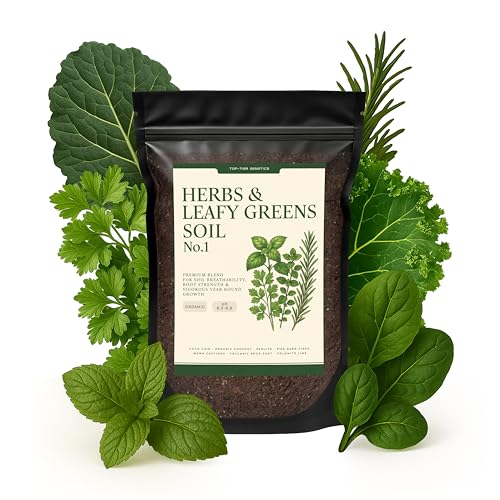
✔ VERSATILE BLEND: Premium potting mix specifically formulated for growing herbs and leafy greens indoors with optimal drainage and aeration

✅PURE GOLD! Chalily Veggie Gold Soil is the perfect blend for growing all your favorite vegetables. From tomatoes and peppers to cucumbers, lettuce, squash, beans, and more, this premium mix provides the ideal environment for healthy growth and plentiful harvests.growth.
✅PURE GOLD! Chalily Veggie Gold Soil is the perfect blend for growing all your favorite vegetables. From tomatoes and peppers to cucumbers, lettuce, squash, beans, and more, this premium mix provides the ideal environment for healthy growth and plentiful harvests.growth.
Choosing The Right Soil
Selecting quality soil is vital for your indoor lettuce. Use a well-draining potting mix designed for vegetables or herbs. Look for soil with organic matter, like compost, to ensure nutrients. You can also combine equal parts potting soil, perlite, and vermiculite for excellent drainage. Opt for a pH level between 6.0 and 6.8 to provide the best environment for growth. Checking your soil regularly for compactness helps maintain aeration and moisture; gently loosen it if it clumps together.
Using Proper Containers
Choosing the right container matters significantly. Select pots with drainage holes at the bottom to prevent water accumulation. Recommended pot sizes range from 6 to 10 inches in diameter for individual lettuce plants. If you’re growing multiple plants, consider a larger container—at least 12 inches deep. Ensure your pots are made from breathable materials, like terracotta or fabric, to promote healthy root development. Regularly inspect the pots for cracks or damage; replacing anything worn out helps keep your lettuce thriving.
Common Mistakes To Avoid
Avoiding common mistakes can significantly improve your indoor lettuce-growing experience. Here are key pitfalls to watch out for:
Ignoring Environmental Conditions
Ignoring environmental conditions can lead to unhealthy lettuce. Monitor light exposure, temperature, and humidity.
- Light Exposure: Ensure your lettuce receives at least 12 to 16 hours of light daily. Insufficient light can cause leggy growth or bitterness.
- Temperature: Keep the temperature between 60°F and 70°F. Extreme heat or cold can stress the plants, leading to poor growth.
- Humidity: Maintain a humidity level around 40% to 70%. Low humidity may dry out the leaves, while high humidity can promote mold growth.
Adjust conditions as necessary to create a favorable growing environment for your lettuce.
Overlooking Drainage Solutions
Overlooking drainage solutions can result in overwatering problems. Proper drainage is essential for healthy root systems.
- Drainage Holes: Use pots with sufficient drainage holes. These holes prevent water accumulation at the base, reducing the risk of root rot.
- Soil Composition: Select a well-draining potting mix. Incorporate materials like perlite or vermiculite to enhance drainage and aeration.
- Container Type: Consider breathable containers, such as terracotta or fabric pots. These materials promote air circulation, ensuring healthy root development.
Implementing effective drainage solutions helps maintain moisture balance and keeps your lettuce thriving.
Conclusion
Taking care of your indoor lettuce can be a rewarding experience. By keeping an eye on your watering routine and adjusting it based on the conditions in your home, you can ensure your lettuce stays healthy and flavorful. Remember to use the finger test to check soil moisture and look out for any signs of overwatering or underwatering.
With a little attention and the right practices, you’ll enjoy crisp and vibrant lettuce right from your own kitchen. Happy gardening and enjoy your fresh harvest!
Frequently Asked Questions
How often should I water indoor lettuce?
Indoor lettuce should be watered every 2 to 3 days. Consistent moisture is essential, but adjust based on environmental conditions like temperature and light exposure.
What are the signs of overwatering lettuce?
Signs of overwatering include yellowing leaves, mushy roots, and a generally droopy appearance. If you notice these symptoms, reduce your watering frequency.
How can I check if my lettuce needs water?
You can use the finger test: insert your finger about an inch into the soil. If it feels dry, it’s time to water your lettuce.
What soil is best for growing indoor lettuce?
A well-draining potting mix designed for vegetables or herbs is ideal. Look for soil that contains organic matter like compost and maintains a pH level between 6.0 and 6.8.
Why is light exposure important for indoor lettuce?
Adequate light exposure, ideally 12 to 16 hours daily, is crucial for healthy growth. Insufficient light can lead to weak plants and poor leaf quality.
What pot size is recommended for growing lettuce indoors?
For individual plants, pots should be between 6 to 10 inches in diameter and at least 12 inches deep for multiple plants to ensure proper root development.
How do temperature and humidity affect indoor lettuce?
Ideal temperature for indoor lettuce is between 60°F and 70°F, with humidity levels of 40% to 70%. Proper conditions help prevent stress and promote healthy growth.
What common mistakes should I avoid when growing indoor lettuce?
Avoid overwatering, neglecting light needs, and using non-breathable containers. Monitor drainage, soil quality, and environmental conditions to ensure healthy growth.
