

Are you wondering how often to water your lettuce? Growing crisp and delicious lettuce can be a rewarding experience, but getting the watering just right can be tricky. Too little water and your plants might wilt, too much and they could drown.
In this article, you’ll discover simple tips to help you maintain the perfect moisture level for your lettuce. You’ll learn about factors that influence watering frequency and how to recognize when your plants need a drink. With the right guidance, you’ll be on your way to a thriving garden filled with fresh greens.
Key Takeaways
- Watering Frequency Matters: Understanding how often to water lettuce is crucial for healthy growth; too little or too much water can stress the plants.
- Influential Factors: Weather, soil type, growth stage, mulching, and plant variety all impact how frequently you should water your lettuce.
- Signs of Water Need: Watch for wilting leaves, color changes, cracked soil, and perform moisture tests to determine when your lettuce needs watering.
- Tailored Watering Schedule: Adjust your watering frequency based on the growth stage of your plants and seasonal changes for optimal growth.
- Best Practices: Employ effective watering techniques such as morning watering, using soaker hoses, deep watering, and applying mulch to retain moisture efficiently.
- Avoid Common Pitfalls: Regularly monitor soil moisture to prevent overwatering or underwatering, and always adjust based on changing weather conditions.
Understanding Lettuce Watering Needs
Watering lettuce correctly is essential for healthy growth and vibrant greens. Proper moisture levels help prevent wilting or disease, ensuring your plants thrive.
Recommended Products

Trusted Since 2015: Become one of the many plant lovers who rely on the proven accuracy of XLUX. Established in 2015, our soil moisture meter has earned over 60,000+ verified ratings for its consistent performance. While many many newer brands come and go, we provide the long-term reliability and quality that American households have trusted for over a decade.

【SAVE YOUR PLANTS】: Over watering can cause problems with your plants or even kill them. This soil moisture meter helps you know the soil is dry, moist or wet.No more over watering!

Soil Moisture Meter: This single probe soil moisture meter is specially designed for testing the moisture level in the soil, helps you decide whether the plants need water or not, helps to keep plants alive.
Importance of Proper Watering
Proper watering plays a crucial role in the overall health of lettuce. Too little water can cause stress, leading to bitterness and stunted growth. On the other hand, overwatering may drown roots, promoting rot and attracting pests. Consistent moisture supports lush foliage and sweet flavor in your lettuce.
Factors Influencing Watering Frequency
Several factors affect how often you water your lettuce:
- Weather Conditions: During hot, dry spells, lettuce requires more frequent watering. Conversely, cooler, rainy days reduce the need for watering.
- Soil Type: Sandy soils drain quickly, necessitating more frequent watering. Clay soils retain moisture longer, meaning you can water less often.
- Growth Stage: Seedlings require more consistent moisture compared to mature plants. Adjust your watering schedule as your lettuce progresses.
- Mulching: Adding mulch around lettuce helps retain soil moisture. This can decrease the frequency of watering while keeping the roots cool.
- Plant Variety: Different lettuce varieties have varying water needs. For example, leafy greens may need more water than head lettuce.
Monitor these factors to determine the best watering schedule for your lettuce garden.
Signs That Lettuce Needs Water
Recognizing when your lettuce needs water is crucial for its health. Several indicators can guide you in making the right watering decisions.
Visual Indicators
- Wilting Leaves: Lettuce plants wilt when they lack moisture. Leaves may droop or lose firmness.
- Color Change: Healthy lettuce is vibrant green. A dull or yellowing hue suggests stress from inadequate water.
- Cracked Soil: If the soil surface shows cracks, it signals dryness. Soil that’s less crumbly means it’s time to water.
- Finger Test: Insert your finger into the soil up to the second knuckle. If it feels dry, water the plants.
- Soil Clumping: When soil clumps easily in your hand, it may be sufficiently moist. If it falls apart, consider watering.
- Moisture Meter: Use a moisture meter for accuracy. This tool provides clear readings to help gauge soil moisture.
Regularly checking these signs ensures your lettuce stays healthy, leading to a thriving garden full of fresh greens.
Recommended Watering Schedule
Maintaining a consistent watering schedule is essential for healthy lettuce growth. Adjust your watering frequency based on specific growth stages and seasonal factors.
Recommended Products

Accurate Soil Moisture Detection: The XLUX Soil Moisture Meter can tell you if the soil deep inside your pot or garden is dry, moist or wet; whereas your eyes and fingers can only determine the moisture level of the soil surface. The probe is 5.5 inches (14 cm) longer than regular styles, allowing it to measure the soil moisture at the bottom of larger and deeper flower pots.

Accurate Monitor: Visible window from blue to white as soil moisture decreases. One glance tells you if there's a water shortage.

Accurate Soil Moisture Detection: The XLUX Soil Moisture Meter detects deep soil moisture in pots or gardens (dry/moist/wet), unlike eyes or fingers that only sense surface soil.
During Different Growth Stages
- Seedlings: Water seedlings every 1 to 2 days. Keep the soil consistently moist, but avoid saturation to prevent damping-off disease. Use a spray bottle for gentle watering.
- Young Plants: Once seedlings establish, water every 2 to 3 days. Ensure moisture reaches the root zone, helping them develop strong systems.
- Mature Plants: For mature lettuce, water every 3 to 5 days. Monitor the moisture levels closely, especially during hotter periods, to prevent stress and promote growth.
- Spring: Water frequently as the weather warms up, typically every 2 to 3 days. Expect higher evaporation rates in the sun.
- Summer: Increase watering to every 2 days, especially during heatwaves. Lettuce is prone to bolting, and consistent moisture reduces stress.
- Fall: Decrease frequency to every 3 to 5 days as temperatures cool. Monitor rainfall and adjust accordingly to maintain adequate moisture without overwatering.
- Winter: If growing in colder months, check soil moisture every 7 to 10 days, as evaporation rates drop. Protect lettuce from frost while retaining some moisture.
By tailoring your watering schedule to these guidelines, you ensure a thriving lettuce garden full of vibrant greens.
Best Practices for Watering Lettuce
Watering lettuce properly ensures lush growth and vibrant flavors. Follow these best practices to enhance your lettuce garden’s health and productivity.
Recommended Products
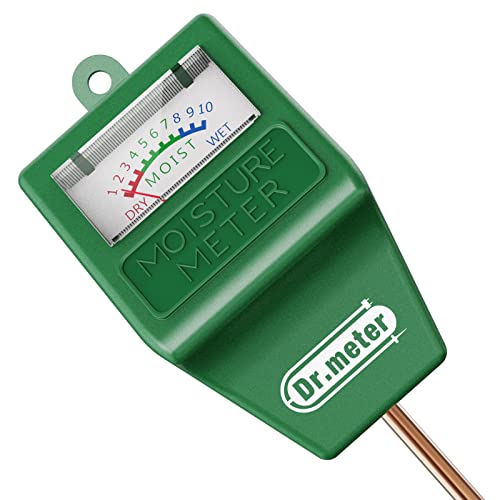
Compact & Portable: Have you been sticking your finger in the soil hoping to feel when it's time to water? Why not eliminate the guesswork and keep your hands clean when you use the Dr.meter Soil Moisture Sensor Meter! Know the right time to water your garden, farm, lawn and houseplants, anytime.

【4 in 1 function】This is a 4-in-1 multifunctional soil tester.Our soil tester fastly to measure soil moisture, pH, temperature and sunlight to help you take better care of flowers and plants.You can know when you need to water your soil by measuring moisture and pH & Temperature value of the soil and sunlight level of plants with it.

【Plug and play】Plant moisture meter no battery required, just insert the probe tip into soil to the plant root level for several minutes, you can get the test result from the indicator pointer immediately and help your plants grow healthy.
Techniques for Effective Watering
- Water Early in the Morning: Morning watering allows plants to absorb moisture before the heat of the day. It reduces evaporation and helps prevent fungal diseases.
- Use Soaker Hoses or Drip Irrigation: These methods deliver water directly to the soil, minimizing waste and keeping foliage dry. This setup promotes healthy root systems.
- Ensure Deep Watering: Aim for soil saturation to a depth of 6-8 inches. Deep watering encourages roots to grow deeper into the soil for better stability and nutrient access.
- Apply Mulch: Covering the soil with organic material can help retain moisture and regulate soil temperature. Mulch also suppresses weeds that compete for water.
- Monitor Soil Moisture: Regularly check the soil’s moisture level. Stick your finger into the soil about an inch deep. If it’s dry, it’s time to water.
- Overwatering: Too much water can lead to root rot and fungal diseases. Always check the soil moisture before watering to avoid this problem.
- Watering Only the Leaves: Wet leaves can promote disease. Aim to water the soil directly, keeping foliage dry.
- Ignoring Weather Conditions: Adjust your watering schedule based on rainfall and temperature. Hot, dry days require more frequent watering than cool, rainy periods.
- Inconsistent Watering Schedule: Avoid erratic watering patterns. Establish a regular schedule that aligns with your planting conditions, especially during extreme weather.
- Neglecting Drainage: Ensure your garden has proper drainage. Poor drainage can lead to waterlogged soil, harming your lettuce plants.
Conclusion
Getting your lettuce watering just right is key to a successful garden. By paying attention to the specific needs of your plants and adjusting your watering routine accordingly you’ll encourage healthy growth and delicious flavors.
Remember to consider factors like weather and soil type while monitoring your plants for signs of stress. With a little practice and observation you can create the perfect environment for your lettuce to thrive. Enjoy the process and happy gardening!
Frequently Asked Questions
How often should I water lettuce?
Lettuce typically needs about 1 to 2 inches of water per week, depending on factors like weather and soil type. During hot weather, it may require more frequent watering. Always check the soil moisture to tailor your watering schedule effectively.
What are the signs of underwatering lettuce?
Signs of underwatering include wilting leaves, dry soil surface, and leaf color changes. If you notice any of these indicators, it’s important to adjust your watering practices to ensure the plants receive adequate moisture.
Can overwatering harm lettuce?
Yes, overwatering can lead to root rot and fungal diseases, which can severely damage or kill the plants. It’s essential to maintain a balance and monitor soil moisture to prevent waterlogged conditions.
What is the best time to water lettuce?
The best time to water lettuce is early in the morning. This allows the plants to absorb moisture before the day heats up, reducing evaporation and helping prevent fungal diseases.
How can I improve drainage for my lettuce?
To improve drainage, ensure your soil contains organic matter and isn’t compacted. Raised beds and well-draining soil mixtures can also promote better drainage, benefiting lettuce growth.
What types of irrigation are best for lettuce?
Soaker hoses or drip irrigation systems are ideal for watering lettuce. They provide consistent moisture directly to the soil while reducing water waste and minimizing leaf wetness, which can lead to disease.
Should I mulch around my lettuce plants?
Yes, applying mulch helps retain soil moisture, suppress weeds, and maintain a consistent temperature. Organic mulches like straw or wood chips work well and eventually add nutrients to the soil as they decompose.
How can I tell if my soil is too dry?
You can check soil dryness using the finger test—stick your finger into the soil about an inch deep. If it feels dry, it’s time to water. Alternatively, use a moisture meter for precise readings.
What factors affect lettuce watering frequency?
Watering frequency for lettuce can be influenced by weather conditions, soil type, plant variety, growth stage, and mulching. Adjust your schedule according to these factors for optimal growth.
What is the recommended watering schedule for lettuce?
For seedlings, water daily. As they grow into mature plants, reduce frequency to 2-3 times a week in cooler months and daily in hot weather. Adjust based on soil moisture and environmental conditions.
