

Are you struggling to keep your lettuce crisp and thriving? You’re not alone. Many gardeners find it tricky to figure out just how much water their leafy greens need. Overwatering can lead to soggy roots while underwatering can leave your lettuce wilted and sad.
In this article, you’ll learn the best practices for watering lettuce to ensure it grows healthy and delicious. We’ll cover factors like climate, soil type, and the growth stage of your plants. By the end, you’ll have the confidence to keep your lettuce garden flourishing and enjoy fresh salads straight from your backyard.
Key Takeaways
- Watering Frequency: Water lettuce every 2 to 3 days during warm weather, and increase to daily watering when temperatures exceed 80°F.
- Climate Impact: Adjust watering based on climate; hot and dry conditions necessitate more frequent watering, while cooler weather allows for longer intervals.
- Soil Type Considerations: The type of soil influences drainage rates; sandy soil requires more frequent watering, whereas clay soil retains moisture longer.
- Growth Stage Needs: Seedlings need daily watering to establish roots, while mature plants can be watered every 2 to 3 days as their roots reach deeper soil layers.
- Signs of Stress: Monitor for wilting leaves (indicating underwatering) or yellowing leaves (indicative of overwatering) to adjust your watering practices accordingly.
- Best Practices: Water in the early morning or late afternoon to reduce evaporation, and consider using mulch or drip irrigation to retain soil moisture effectively.
Understanding Lettuce Watering Needs
Lettuce requires careful watering to thrive. Knowing how much and how often to water helps maintain healthy plants and a bountiful harvest.
Recommended Products

Trusted Since 2015: Become one of the many plant lovers who rely on the proven accuracy of XLUX. Established in 2015, our soil moisture meter has earned over 60,000+ verified ratings for its consistent performance. While many many newer brands come and go, we provide the long-term reliability and quality that American households have trusted for over a decade.
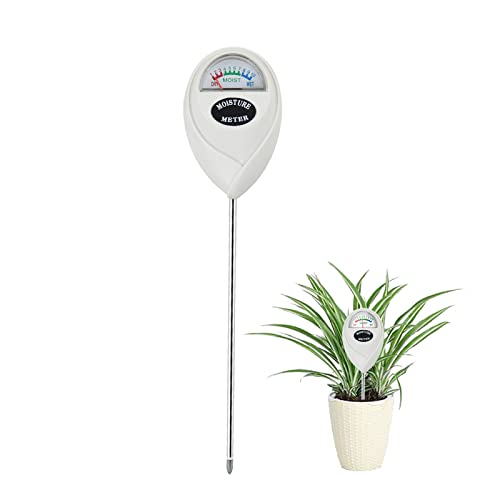
【SAVE YOUR PLANTS】: Over watering can cause problems with your plants or even kill them. This soil moisture meter helps you know the soil is dry, moist or wet.No more over watering!
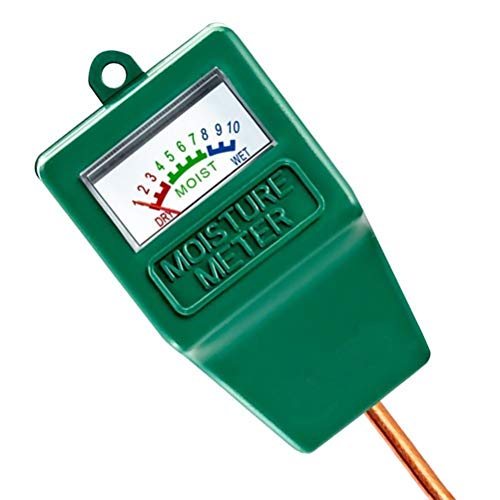
Soil Moisture Meter: This single probe soil moisture meter is specially designed for testing the moisture level in the soil, helps you decide whether the plants need water or not, helps to keep plants alive.
Importance of Proper Watering
Proper watering promotes strong root development, ensuring lettuce absorbs nutrients effectively. Sufficient moisture keeps the leaves crisp and full of flavor. Watering at the right frequency reduces stress on the plants, allowing for faster growth and better yields.
Effects of Overwatering and Underwatering
Overwatering suffocates roots, leading to root rot and stunted growth. Symptoms include yellowing leaves and mushy roots. Conversely, underwatering causes wilting and can result in bitter flavor. Lettuce plants may bolt or go to seed prematurely under prolonged dry conditions. It’s crucial to strike a balance to support robust growth.
Factors Influencing Watering Frequency
Several factors impact how often you should water your lettuce. Understanding these ensures your plants thrive.
Climate and Weather Conditions
Climate plays a major role in watering frequency. Hot, dry weather requires more frequent watering, while cooler, humid conditions need less. For example, in peak summer heat, you might water lettuce every day or every other day. In contrast, during cooler seasons, watering every three to four days could suffice. Always check the moisture level in the soil before watering. If the top inch feels dry, it’s time to add water.
Soil Type and Drainage
Soil type significantly influences how quickly water drains away. Sandy soil drains fast, often requiring more frequent watering. Clay soil retains moisture, so you can space out watering sessions. For instance, in sandy soil, daily watering may be necessary. In clay, every four to five days might work well. Test soil moisture by digging down a few inches; if it’s dry, it’s time to water.
Stage of Lettuce Growth
The growth stage of your lettuce affects its water needs. Seedlings need consistent moisture to establish roots. Water them daily to keep the soil evenly moist. Once lettuce matures, you can reduce frequency to every two to three days, depending on other factors. Remember, mature plants have deeper roots, enabling them to access moisture from lower soil layers. Always monitor the plants for signs of stress, adjusting your watering as needed.
General Guidelines for Watering Lettuce
Watering lettuce effectively ensures robust plant health. A consistent approach tailored to environmental conditions is essential.
Recommended Watering Schedule
- Frequency: Water lettuce every 2 to 3 days during warm weather. When temperatures rise above 80°F, increase to daily watering.
- Time of Day: Water early in the morning or late in the afternoon to reduce evaporation and fungal risk.
- Amount: Ensure soil receives 1 to 2 inches of water each week, adjusting for rainfall. Use a rain gauge to monitor moisture levels.
- Underwatering Symptoms: Look for wilting leaves and dry soil. Lettuce becomes limp and may develop a bitter taste.
- Overwatering Symptoms: Observe yellowing leaves and soil that remains damp. This may lead to root rot and stunted growth.
- Solution: Adjust your watering based on these signs. If plants wilt, increase frequency. If leaves yellow, reduce watering amounts.
Tips for Efficient Lettuce Watering
Efficient watering can significantly enhance your lettuce’s growth. Follow these tips to ensure fresh, delicious leaves.
Best Time to Water
Water your lettuce either early in the morning or late in the afternoon. At these times, evaporation rates are lower, allowing more moisture to soak into the soil. Avoid watering at midday, when the sun’s intensity can cause rapid evaporation and stress your plants. Morning watering gives leaves time to dry, reducing the risk of fungal diseases.
Techniques to Retain Soil Moisture
Utilize mulch to help retain soil moisture. Organic materials like straw, grass clippings, or wood chips can create a protective layer over the soil, preventing water loss. Incorporate drip irrigation or soaker hoses for efficient watering. These methods deliver water directly to the roots, minimizing evaporation. Additionally, check soil moisture regularly by sticking your finger into the soil about an inch deep. If it feels dry at that depth, it’s time to water.
Conclusion
Finding the right balance in watering your lettuce can make all the difference in your garden’s success. By paying attention to the specific needs of your plants and the conditions around them you can ensure they thrive.
Remember to adjust your watering frequency based on the weather and the growth stage of your lettuce. Keeping an eye on the soil moisture and symptoms of your plants will help you stay on track. With a little care and attention your lettuce will reward you with crisp and delicious leaves for your salads. Happy gardening!
Frequently Asked Questions
What are the main challenges in growing lettuce?
Gardening challenges include maintaining proper watering techniques. Overwatering can lead to root rot, while underwatering may cause wilted leaves and tough flavors. Both can hinder healthy growth and affect your lettuce’s quality.
How often should I water my lettuce?
Water your lettuce every 2 to 3 days in warm weather, or daily if temperatures exceed 80°F. Adjust your schedule based on your climate, soil type, and stage of growth to ensure optimal health.
What are the signs of underwatering lettuce?
Underwatered lettuce shows signs like wilted leaves, dry soil, and stunted growth. If your plants appear droopy and the soil feels parched, increase your watering frequency.
What are the symptoms of overwatering lettuce?
Overwatered lettuce presents symptoms such as yellowing leaves and persistently damp soil. This can indicate root suffocation and may lead to root rot, harming the plant’s overall health.
How does soil type affect watering frequency?
Soil type significantly influences watering needs. Sandy soil drains quickly and requires more frequent watering, while clay soil retains moisture longer and may need less frequent irrigation.
When is the best time to water lettuce?
The ideal times to water lettuce are early morning or late afternoon. Watering during these times minimizes evaporation and reduces stress on the plants, leading to better moisture retention.
How can I retain soil moisture for lettuce?
To retain soil moisture, use mulch, such as straw or wood chips, and consider drip irrigation or soaker hoses. Regularly check soil moisture by feeling about an inch deep to guide your watering practices.
Why is proper watering important for lettuce?
Proper watering is crucial for robust root development, enabling lettuce to absorb nutrients effectively. It promotes crisp, flavorful leaves while preventing issues like wilting, bitterness, and unwanted bolting.
