

Do you ever find yourself wondering how often you should fertilize your tomato plants for the best results? Picture this: you’ve put time and effort into growing your tomatoes, but they don’t seem as vibrant and productive as you’d hoped. That’s where knowing the right fertilizing schedule can make all the difference in helping your tomatoes thrive.
In this article, we’ll guide you on the optimal frequency for fertilizing your tomato plants to ensure they receive the nutrients they need to flourish. By understanding when and how often to apply fertilizer, you’ll be able to support healthy growth, increase fruit yield, and ultimately enjoy a bountiful harvest of delicious tomatoes. Stay tuned to learn simple yet effective strategies for keeping your tomato plants happy and fruitful throughout the growing season.
Key Takeaways
- Understanding tomato plant nutrition needs is crucial to support healthy growth and maximize fruit yield.
- Fertilizers play a vital role in supplying essential nutrients to tomatoes, but over-fertilization can harm plants.
- Factors like plant growth stage, soil nutrient levels, weather conditions, and fertilizer type influence the frequency of fertilization.
- Recommended fertilization timelines vary throughout the growing season to meet the changing needs of tomato plants.
- Choosing between organic and inorganic fertilizers impacts plant growth and soil health differently.
- Common mistakes such as over-fertilization or insufficient fertilization can have negative consequences on tomato plants’ health and productivity.
Understanding Tomato Nutrition Needs
To ensure your tomato plants thrive, it’s crucial to understand their nutrition requirements. By providing the right nutrients at the right times, you can support healthy growth and maximize fruit yield. Let’s delve into the key aspects of tomato plant nutrition.
Recommended Products
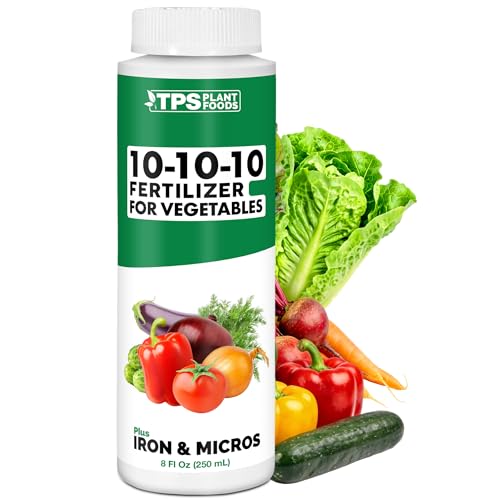
Supports Roots, Foliage & Yield – Helps encourage strong roots, healthy leaves, and productive harvests.

ORGANIC PLANT FOOD: This liquid fertilizer for tomatoes & vegetables provides nutrients to ensure superior results.

🌿 Balanced 10-10-10 Granular Fertilizer for Outdoor & Indoor Plants: All-purpose plant food with 10% Nitrogen, 10% Phosphorus, and 10% Potassium. Perfect for outdoor vegetable gardens, fruit trees, evergreens, shrubs, lawns, and flowers. Also great for potted plants and indoor gardening. One solution for all your plant needs!
Key Nutrients for Tomatoes
Tomatoes require several essential nutrients to grow successfully. The primary macronutrients needed are nitrogen (N), phosphorus (P), and potassium (K). Nitrogen supports leafy green growth, phosphorus aids in root development and flower production, while potassium enhances fruit quality and overall plant health.
The Role of Fertilizers in Tomato Health
Fertilizers play a vital role in supplying tomatoes with the necessary nutrients they need to flourish. Choosing a balanced fertilizer with equal ratios of N-P-K or one tailored specifically for tomatoes can help maintain optimal soil fertility levels throughout the growing season. It’s important to follow recommended application rates to avoid over-fertilization, which can harm your plants.
By understanding the nutritional needs of your tomato plants and using fertilizers judiciously, you can promote vigorous growth, abundant flowering, and a plentiful harvest of delicious tomatoes. Keep these insights in mind as you care for your tomato plants to ensure they receive the nourishment they require for optimal health and productivity.
Determining the Right Fertilizer Schedule
To ensure your tomato plants flourish and produce abundant fruit, it’s crucial to establish the correct fertilizer schedule. Understanding the factors that influence fertilization frequency and following recommended timelines will help you provide your tomatoes with the nutrients they need for optimal growth.
Recommended Products

Balanced 5-10-10 Fertilizer Formula – 5-10-10 fertilizer delivers essential nutrients with higher phosphorus and potassium to support plant development.

PREMIUM QUALITY INGREDIENTS – Cz Garden 5-10-10 is all-purpose fertilizer for all indoor/outdoor flowers, lawn, and garden vegetables.

For more nutritious and tasty vegetables
Factors Influencing Fertilization Frequency
When determining how often to fertilize your tomato plants, several factors come into play:
- Plant Growth Stage: Adjust the frequency based on whether your plants are in the vegetative growth phase or setting fruits.
- Soil Nutrient Levels: Regularly test your soil to determine its nutrient content and adjust fertilization accordingly.
- Weather Conditions: Consider environmental factors like rainfall and temperature, as they can affect nutrient availability in the soil.
- Fertilizer Type: Different types of fertilizers release nutrients at varying rates, influencing how often you need to apply them.
Recommended Fertilization Timelines
To guide you in developing a suitable fertilizer schedule for your tomato plants, consider these general recommendations:
- Early Growth Stage (Seedlings): Start with a balanced fertilizer once seedlings have their first true leaves, typically around 2-4 weeks after planting.
- Vegetative Growth Phase: During this stage of active leaf development, fertilize every 10-14 days with a nitrogen-rich fertilizer to promote healthy foliage growth.
- Flowering and Fruit Setting: Switch to a low-nitrogen, high-phosphorus fertilizer when flowers appear to encourage fruit formation.
- Mid-Season Maintenance: Continue applying fertilizer every 10-14 days until mid-season but reduce nitrogen levels gradually as fruits develop.
- Late Season Care: As tomatoes ripen on the vine, shift back to a balanced or potassium-rich fertilizer to support fruit maturation without excessive vegetative growth.
By considering these factors and adhering to recommended timelines throughout the growing season, you’ll be able to provide your tomato plants with essential nutrients at key growth stages for robust health and productive yields.
Types of Fertilizers for Tomatoes
When it comes to fertilizing your tomato plants, choosing the right type of fertilizer is crucial for their growth and fruit production. Here are some key considerations regarding the types of fertilizers you can use:
Organic vs. Inorganic Fertilizers
Organic fertilizers are derived from natural sources such as compost, manure, or bone meal. They release nutrients slowly and improve soil structure over time. On the other hand, inorganic fertilizers are synthetic and provide a quick nutrient boost to plants but may not enhance soil health in the long run.
Example: You might opt for organic fertilizers like fish emulsion or seaweed extract if you prefer a more sustainable approach to feeding your tomatoes.
Product Reviews and Recommendations
When selecting a fertilizer for your tomatoes, consider factors like nutrient content, NPK ratio (Nitrogen-Phosphorus-Potassium), and application method. Reading product reviews can help you choose a high-quality fertilizer that suits your tomato plants’ specific needs.
Example: Look for well-reviewed balanced fertilizers with an NPK ratio of 10-10-10 or specialty tomato fertilizers enriched with calcium to prevent blossom end rot.
By understanding the differences between organic and inorganic fertilizers and exploring product reviews, you can make informed decisions on how best to nourish your tomato plants for optimal growth and bountiful harvests.
Common Mistakes in Fertilizing Tomatoes
When it comes to fertilizing tomatoes, avoiding common mistakes can make a significant difference in the health and productivity of your plants. Here are some pitfalls to watch out for:
Over-Fertilization Issues
Over-fertilizing your tomato plants can do more harm than good. Excessive nutrients can lead to fertilizer burn, where the roots get damaged due to high salt levels in the soil. This can manifest as brown or yellow leaf edges, stunted growth, and even plant death. Remember, more isn’t always better when it comes to feeding your tomatoes.
Signs of Insufficient Fertilization
On the other hand, not providing enough nutrients to your tomato plants can result in deficiencies that hinder their growth and fruit production. Look out for pale leaves, slow growth, and fewer flowers or fruits as signs of insufficient fertilization. Adjusting your fertilizing schedule and ensuring proper nutrient levels are essential for healthy tomato plants.
By being mindful of these common mistakes in fertilizing tomatoes, you can nurture robust plants that yield bountiful harvests of delicious tomatoes.
Conclusion
Ensuring your tomato plants receive the right balance of nutrients is key to their growth and productivity. By understanding their specific needs and adjusting your fertilizing schedule accordingly, you can support healthy development and maximize fruit production. Remember to consider factors like plant stage, soil conditions, and weather when determining how often to fertilize. Avoid common mistakes like over-fertilization or under-fertilization by staying attentive to your plants’ responses. With a well-thought-out fertilizing plan in place, you’ll be on your way to enjoying a thriving garden filled with delicious homegrown tomatoes. Happy gardening!
Frequently Asked Questions
What are the essential nutrients needed for tomato plants’ growth and fruit production?
Tomato plants require nitrogen, phosphorus, and potassium to thrive. These nutrients play crucial roles in promoting healthy growth, flowering, and fruit development.
Why is it important to use balanced or tomato-specific fertilizers for tomato plants?
Balanced or tomato-specific fertilizers provide the necessary nutrients in appropriate ratios to meet the specific needs of tomato plants. This helps maintain soil fertility and supports optimal growth and fruit production.
How do factors like plant growth stage, soil nutrient levels, weather conditions, and fertilizer type influence the fertilizing schedule for tomatoes?
Factors such as plant growth stage, current soil nutrient levels, weather conditions affecting nutrient availability, and the type of fertilizer used determine the timing and quantity of fertilization required for healthy tomato plants.
What are some common mistakes to avoid when fertilizing tomato plants?
Common mistakes include over-fertilizing, which can lead to fertilizer burn and damage plant roots, as well as under-fertilizing that results in stunted growth and poor fruit production. It’s essential to adjust fertilizing practices based on plant response and environmental conditions.
How can gardeners ensure robust growth and abundant harvests from their tomato plants through proper fertilization?
By understanding tomato plants’ nutritional requirements, using suitable fertilizers in balanced amounts at the right time based on plant needs and environmental factors. Regular monitoring of plant health and adjusting the fertilizing schedule accordingly helps promote vigorous growth and maximize fruit yield.
