

Are you struggling to figure out how often to water your lettuce seeds? You’re not alone. Many new gardeners find themselves wondering if they’re giving their plants too much or too little water. Getting it right can be the difference between a bountiful harvest and a sad patch of wilted greens.
In this article, you’ll discover practical tips on watering lettuce seeds to ensure they thrive. You’ll learn about the ideal moisture levels, how to adjust your watering schedule based on weather conditions, and signs that your plants need more or less water. With the right approach, you can enjoy fresh, crisp lettuce from your garden in no time.
Key Takeaways
- Ideal Watering Schedule: Water lettuce seeds daily for the first few days to keep the top soil moist, then adjust to every 2 to 3 days for established seedlings.
- Soil Moisture Importance: Consistent moisture is crucial for germination and root development, while both overwatering and underwatering can damage the plants.
- Weather and Soil Type Factors: Adjust watering frequency based on soil type (loamy retains moisture better than sandy), weather conditions (hot and dry requires more frequent watering), and seed depth.
- Signs of Incorrect Watering: Monitor for yellowing leaves, wilting, root rot, and dry soil to identify overwatering or underwatering conditions.
- Best Watering Techniques: Use light watering initially, ensure even distribution, and opt for morning watering to reduce evaporation and promote growth.
- Useful Tools: Consider using a watering can, soaker hose, spray bottle, or moisture meter to optimize watering and monitor soil moisture levels effectively.
Understanding Lettuce Seed Requirements
Lettuce seeds thrive under specific conditions, particularly concerning moisture levels. Proper watering ensures your seeds germinate effectively and grow into healthy plants.
Importance of Water for Lettuce Seeds
Water plays a vital role in seed germination. It activates enzymes that help seeds break dormancy and sprout. During the initial stages, consistent moisture helps produce strong roots. Overwatering can lead to rot, while underwatering can hinder germination.
Factors Influencing Watering Frequency
Several factors affect how often you should water lettuce seeds:
- Soil Type: Loamy soil retains moisture better than sandy soil. Inspect your soil type to adjust your watering.
- Weather Conditions: Hot, dry weather increases evaporation. You might need to water more frequently during these times.
- Seed Depth: Seeds planted too deep need more water to reach the surface. Ensure you plant according to recommended depths for optimal results.
- Container Size: If you’re using pots, smaller containers dry out quicker. Monitor them closely and adjust your watering schedule accordingly.
- Age of Plants: Younger seedlings require more frequent moisture than established plants, which can tolerate slight dryness.
By considering these factors, you can develop a tailored watering strategy for your lettuce seeds, leading to a bountiful harvest.
Ideal Watering Schedule for Lettuce Seeds
Watering lettuce seeds correctly supports their germination and growth. Following an ideal schedule helps ensure your seedlings thrive.
Recommended Products

Self-Watering System: No more over-watering or under-watering! You won't need to water frequently. The bottom of the seedling tray and capillary mat maintain ideal humidity, preventing over-watering or soil drying out. This promotes healthy root development, saves time and effort, and allows you to enjoy the fun of planting with ease.
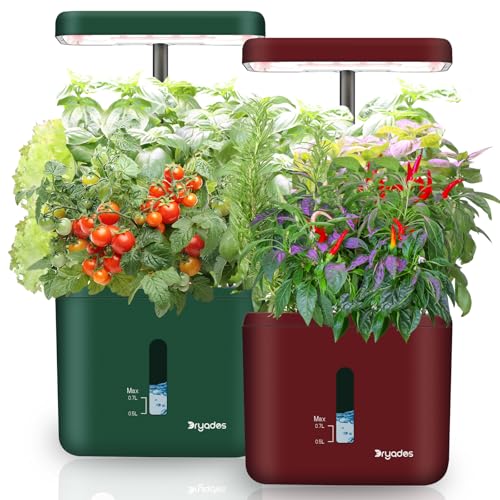
INDOOR INTELLIGENT, MORE EFFICIENT: Indoor soil cultivation planting system adopts full-spectrum technology, 5 times more efficient than outdoor traditional cultivation, controllable LED grow lights set 8H/12H/16H light time, do not affect the personal work and rest at the same time to ensure that the Potted plants are at optimum temperatures all year round in order to promote photosynthesis in any weather.

COMPLETE VARIETY PACK: Eight popular lettuce seeds including Buttercrunch, Romaine, Iceberg, Bibb, Red Oakleaf, Prizehead, plus Kale and Spinach; Perfect lettuce seeds for planting outdoors or in hydroponic systems
First Few Days After Planting
For the first few days, water your lettuce seeds lightly but consistently. Keep the top layer of soil moist without making it soggy. Water daily, ensuring the soil doesn’t dry out entirely. This moisture promotes quick germination, usually within 7 to 14 days. If the weather is particularly warm or windy, check the soil moisture twice a day.
Established Seedlings
Once your lettuce seedlings are established, you can adjust the watering schedule. Water every 2 to 3 days, allowing the top inch of soil to dry between watering sessions. Established seedlings benefit from deeper watering, promoting strong root development. During hot weather, monitor your plants closely; you may need to water more frequently. Also, consider using mulch to retain moisture and regulate soil temperature.
Signs of Overwatering or Underwatering
Recognizing the signs of overwatering and underwatering is crucial for ensuring the health of your lettuce seeds. Observing your plants closely helps determine their watering needs.
Recommended Products
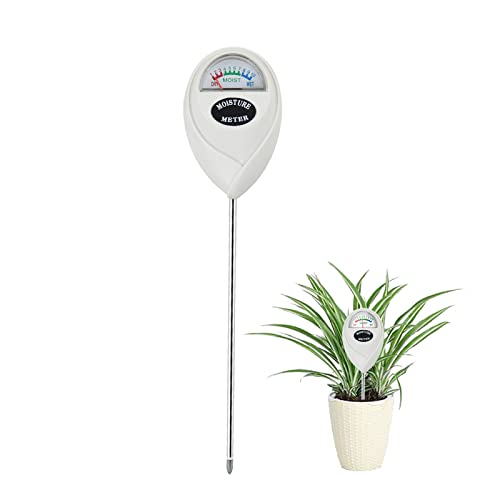
【SAVE YOUR PLANTS】: Over watering can cause problems with your plants or even kill them. This soil moisture meter helps you know the soil is dry, moist or wet.No more over watering!

Accurate Soil Moisture Detection: Quickly know whether your soil is dry, moist, or wet below the surface. This soil moisture meter provides accurate readings that eyes or fingers alone cannot detect, helping you water plants at the right time
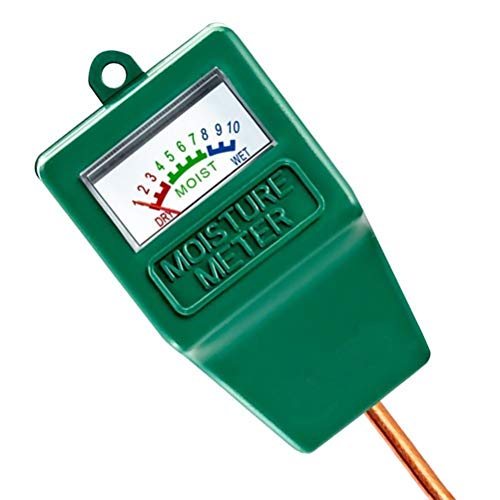
Soil Moisture Meter: This single probe soil moisture meter is specially designed for testing the moisture level in the soil, helps you decide whether the plants need water or not, helps to keep plants alive.
Identifying Overwatered Lettuce Seeds
- Yellowing Leaves: Leaves turn yellow or brown, indicating stress from excess moisture.
- Wilting Appearance: Plants may appear wilted, despite soggy soil conditions.
- Root Rot: If roots are brown and mushy instead of white and firm, rot may be present.
- Fungal Growth: Mold or mildew on soil surface suggests over-saturation.
- Slow Growth: Stunted growth occurs as roots receive insufficient oxygen.
- Crispy Leaves: Leaves become dry and brittle, often resulting in a crunchy texture.
- Wilting: Plants exhibit droopiness, especially during the hottest parts of the day.
- Leaf Curling: Edges may curl upwards as a protective measure against stress.
- Dry Soil: Soil pulls away from the sides of containers, indicating lack of moisture.
- Slow Germination: Delayed seed sprouting implies inadequate hydration.
Keep an eye on these signs to take prompt action, ensuring your lettuce thrives.
Best Practices for Watering Lettuce Seeds
Maintaining the right moisture levels is key for germinating lettuce seeds successfully. Use the right techniques and tools to ensure your seeds thrive.
Recommended Watering Techniques
- Light Watering: In the first week after planting, water lightly to keep the top layer of soil moist. This promotes quick germination in 7 to 14 days.
- Even Distribution: Apply water evenly across the planting area. Use a gentle spray or a watering can with a spout to avoid displacing seeds.
- Watering Frequency: Once seedlings emerge, adjust your watering schedule to every 2 to 3 days. Allow the top inch of soil to dry out between sessions. This helps develop strong roots.
- Timing Matters: Water in the morning to reduce evaporation. Early watering encourages seedling growth and helps prepare them for warmer days.
- Watering Can: A watering can gives you control over volume and direction, making it ideal for delicate seedlings.
- Soaker Hose: Use a soaker hose for larger areas. This allows water to seep into the soil gradually, promoting deep root growth.
- Spray Bottle: For tiny seeds, a spray bottle helps moisten the soil without washing the seeds away.
- Moisture Meter: A moisture meter can help you gauge soil moisture levels. This tool provides a more accurate indication of your plants’ needs.
By employing these techniques and tools, you can maintain the right moisture levels for your lettuce seeds, ensuring a better chance of a successful harvest.
Conclusion
Finding the right watering routine for your lettuce seeds is key to a thriving garden. Remember to stay attentive to your plants and adjust your watering based on their needs and the weather. By keeping the soil consistently moist yet not soggy you’ll encourage healthy growth and a bountiful harvest.
Use the tips and techniques discussed to create a personalized watering strategy that works for you. With a little care and observation you’ll be well on your way to enjoying fresh and crisp lettuce right from your garden. Happy gardening!
Frequently Asked Questions
How much water do lettuce seeds need during germination?
Lettuce seeds require consistent moisture for successful germination. In the first week, water lightly but often to keep the top layer of soil moist. This promotes germination within 7 to 14 days.
How often should I water lettuce after seedlings emerge?
Once seedlings establish, water every 2 to 3 days, allowing the top inch of soil to dry out between sessions. Adjust the frequency based on weather conditions, such as heat or rain.
What are the signs of overwatering lettuce seeds?
Signs of overwatering include yellowing leaves, wilting despite soggy soil, root rot, and fungal growth. Monitor your plants closely to prevent these issues.
How can I tell if my lettuce is underwatered?
Underwatered lettuce will show crispy leaves, droopiness, and curled leaves. The soil will feel dry, and germination may slow down. Adjust your watering schedule accordingly.
What tools can help with watering lettuce seeds?
Effective tools for watering lettuce seeds include watering cans for precision, soaker hoses for larger areas, spray bottles for tiny seeds, and moisture meters to monitor soil moisture levels.
Should I water lettuce seeds in the morning or evening?
Watering in the morning is ideal as it reduces evaporation and helps promote healthy growth. This timing allows plants to absorb moisture before the heat of the day.
How does soil type affect watering frequency for lettuce?
Soil type influences how quickly moisture evaporates and drains. Sandy soils dry out faster and may require more frequent watering, while clay soils retain moisture but may need careful monitoring to avoid overwatering.
