

Wondering how often you should water your lettuce plants? You’re not alone! Many gardeners struggle with finding the right balance, especially when they see their leafy greens wilting or thriving.
Key Takeaways
- Consistent Watering is Essential: Lettuce plants require regular watering for optimal health, adapting the frequency based on varying factors like temperature, soil type, and humidity.
- Cater to Soil Type: Understand your soil’s drainage capabilities; sandy soils need frequent watering (every 1-2 days), while clay soils require less frequent irrigation (every 3-5 days).
- Adjust for Seasonal Changes: In summer, increase watering to every 1-2 days due to higher evaporation rates; in winter, reduce frequency to 5-7 days, monitoring soil moisture closely.
- Use the Right Techniques: Employ methods like drip irrigation for efficiency or manual watering for flexibility, ensuring to water early in the morning to minimize evaporation losses.
- Recognize Signs of Water Imbalance: Monitor your lettuce for symptoms of overwatering (yellow leaves, soggy soil) or underwatering (crispy leaves, dry soil) to maintain proper moisture levels.
- Tailor to Variety Needs: Different lettuce varieties like Romaine and Butterhead have specific watering requirements; adjust your routine to cater to their unique preferences for healthy growth.
Understanding Lettuce Watering Needs
Lettuce plants thrive with consistent watering. Knowing how often to water them is crucial for their health and growth.
Recommended Products

Trusted Since 2015: Become one of the many plant lovers who rely on the proven accuracy of XLUX. Established in 2015, our soil moisture meter has earned over 60,000+ verified ratings for its consistent performance. While many many newer brands come and go, we provide the long-term reliability and quality that American households have trusted for over a decade.
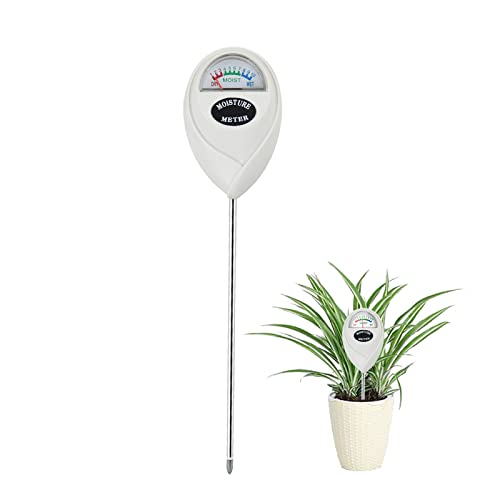
【SAVE YOUR PLANTS】: Over watering can cause problems with your plants or even kill them. This soil moisture meter helps you know the soil is dry, moist or wet.No more over watering!
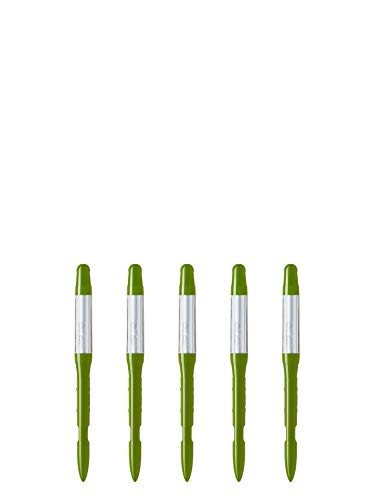
Dimensions: 0.4 x 0.3 x 4.7 inches (small) - Intended for pot sizes of 2, 2.5, and 3 - Ideal for small succulents
Factors Affecting Watering Frequency
- Temperature: Higher temperatures increase evaporation, requiring more frequent watering. On hot days, check your plants daily.
- Soil Type: Sandy soils drain quickly, while clay retains moisture. Adjust your watering schedule based on your soil’s drainage capabilities.
- Humidity: In humid environments, plants need less water, as moisture doesn’t evaporate as quickly. Monitor your local weather.
- Growth Stage: Young seedlings require constant moisture, while mature plants can tolerate short dry spells. Pay attention to their watering needs as they grow.
- Sun Exposure: Lettuce in full sun may need extra water. Shade may reduce the frequency needed.
Different Lettuce Varieties
Different lettuce varieties have distinct watering needs.
- Romaine: This type prefers consistent moisture throughout its growth cycle. Water deeply to keep soil evenly moist.
- Butterhead: Smooth, soft leaves require regular watering, especially in warm weather. Aim for hydrated soil without sogginess.
- Leaf Lettuce: Leaf varieties enjoy moisture but can be sensitive to overwatering. Water when the top inch of soil feels dry.
- Iceberg: This variety thrives with ample water during the growing season. Monitor closely during hotter weather.
By understanding these factors and varieties, you can create a tailored watering routine for your lettuce plants.
Soil Types and Their Retention
Soil type plays a crucial role in determining how often you water your lettuce plants. Understanding soil retention helps you maintain optimal moisture levels for healthy growth.
Sandy Soil
Sandy soil drains quickly, leading to faster evaporation. It holds less moisture, meaning you must water more frequently. You might find yourself watering lettuce plants every 1 to 2 days, especially during hot weather. To retain moisture, consider adding organic matter like compost, which can enhance water retention.
Clay Soil
Clay soil retains water well and drains slowly. It can lead to overwatering if not monitored closely. For lettuce plants, watering every 3 to 5 days typically suffices, depending on weather conditions. To improve drainage, mix in perlite or sand to help prevent waterlogging.
Seasonal Considerations
Understanding the seasonal variations in watering frequency helps maintain healthy lettuce plants. Different seasons require you to adjust your watering routine to keep your lettuce thriving.
Summer Watering Tips
In summer, the heat increases evaporation, leading to drier soil. Water your lettuce plants more frequently, ideally every 1 to 2 days. Check the soil moisture about an inch deep; if it feels dry, it’s time to water. Morning watering is best, as it allows the plants to hydrate before the sun’s peak intensity. Mulching around your plants retains moisture and regulates soil temperature, making it especially useful in summer.
Winter Watering Tips
Winter brings cooler temperatures and reduced evaporation, leading to less frequent watering. Monitor your lettuce plants every 5 to 7 days during this season, watering only when the top inch of soil feels dry. If you’re growing indoors or in a greenhouse, be aware that heating systems can dry out the air. Keep an eye on humidity levels and adjust your watering accordingly to prevent the leaves from wilting. Frost protection measures can also impact watering; ensure soil doesn’t freeze solid.
Watering Techniques
Understanding various watering techniques can help you provide the right amount of moisture for your lettuce plants. Here are some effective methods to ensure your plants thrive.
Drip Irrigation
Drip irrigation delivers water directly to the base of your lettuce plants. This method reduces water waste and promotes deep root growth. To set up a drip irrigation system, you need:
- Hoses and Emitters: Buy flexible hoses designed for drip systems and attach emitters at intervals to provide targeted watering.
- Timer: Using a timer allows you to automate watering. Set it to water every 1 to 2 days during hot weather.
- Mulch: Adding mulch helps retain moisture in the soil, enhancing the drip system’s effectiveness.
By using drip irrigation, you can maintain consistent soil moisture while minimizing the risk of overwatering.
Manual Watering
Manual watering involves using a watering can or hose to hydrate your lettuce plants. This method provides flexibility in monitoring water levels. Follow these tips for efficient manual watering:
- Water Gently: Use a watering can with a spout or a hose with a spray nozzle to avoid disturbing the soil.
- Check Soil Moisture: Insert your finger into the soil about an inch deep. Water if the soil feels dry.
- Early Morning: Water during the early morning to reduce evaporation and allow plants to absorb moisture before the sun’s heat peaks.
Manual watering allows you to quickly assess plant conditions and adjust watering frequency based on weather changes.
Signs of Overwatering and Underwatering
Maintaining the right moisture level in your lettuce plants is crucial. Watch for these signs to determine if you’re overwatering or underwatering your lettuce.
Overwatering Symptoms
- Leaves appear yellow and wilted despite wet soil conditions.
- Leaf edges develop dark, water-soaked spots.
- Roots may rot, resulting in a foul smell when you disturb the soil.
- Soil remains consistently soggy or muddy, even after watering sessions.
- Fungal infections, like mold, form on the soil surface or plant leaves.
Monitor these symptoms closely. If you notice any, adjust your watering schedule immediately. Allow the soil to dry out before the next watering.
- Leaves shrivel, curl, or become crispy, indicating low moisture.
- Soil feels dry to the touch, often pulling away from the pot or garden bed.
- Growth appears stunted, and the plants may stop producing new leaves.
- The lower leaves may start to turn brown and die off prematurely.
- Lettuce heads can become tough and bitter.
Stay vigilant for these signs. When you see them, water your plants thoroughly, soaking the soil until it feels moist throughout.
Conclusion
Finding the right watering routine for your lettuce plants can make all the difference in their growth and health. By keeping an eye on factors like temperature and soil type you can tailor your approach to ensure your lettuce thrives.
Remember to adjust your watering frequency based on the season and specific needs of your lettuce variety. Whether you choose drip irrigation or manual watering just be attentive to the signs your plants give you. With a little care and observation your lettuce will reward you with crisp and delicious leaves. Happy gardening!
Frequently Asked Questions
How often should I water lettuce plants?
Lettuce plants thrive on consistent watering. Generally, they should be watered every 1 to 2 days during hot weather, especially in sandy soil. In cooler months, watering every 5 to 7 days is typically sufficient, ensuring the top inch of soil is dry before watering again.
What factors affect the watering frequency of lettuce?
Several factors influence how often you should water lettuce, including temperature, soil type, humidity, growth stage, and sun exposure. Each of these elements can impact the moisture level needed for optimal lettuce health.
How does soil type affect watering needs?
Sandy soil drains quickly and requires more frequent watering, about every 1 to 2 days. Clay soil retains moisture but may lead to overwatering if not monitored, often needing water every 3 to 5 days. Adjusting soil composition can help manage drainage.
What are the signs of overwatering lettuce?
Symptoms of overwatering include yellow and wilted leaves, dark spots on leaves, soggy soil, root rot, and fungal infections. If you notice these signs, reduce your watering frequency and improve soil drainage.
How can I tell if my lettuce is underwatered?
Underwatered lettuce shows signs like shriveled or crispy leaves, dry soil, stunted growth, and premature browning of lower leaves. Adjust your watering routine to ensure the plants receive adequate moisture.
What is the best time to water lettuce?
Watering in the early morning is ideal as it hydrates plants before the sun’s intensity peaks, reducing evaporation. This practice helps maintain optimal moisture levels throughout the day.
Are there specific watering techniques for lettuce?
Yes, there are various methods, such as drip irrigation, which delivers water directly to the plant base, promoting deep root growth. Manual watering is also effective, allowing gardeners to check moisture levels closely.
How does the season affect lettuce watering?
In summer, heat increases evaporation, necessitating more frequent watering (every 1 to 2 days). In winter, cooler temperatures reduce evaporation, allowing for less frequent watering (every 5 to 7 days) when the soil is dry to the touch.
