

Are you wondering how often to water your lettuce seeds? You’re not alone. Many new gardeners face the same challenge, unsure of the right balance between keeping the soil moist and overwatering.
Key Takeaways
- Consistent Moisture is Key: Lettuce seeds need consistent moisture to ensure successful germination and healthy growth. Avoid drying out or overwatering the soil.
- Factors Influence Watering Frequency: Temperature, humidity, wind, and the growth stage of lettuce significantly affect how often you should water your seeds.
- Soil Type Matters: Different soil types (sandy, clay, loamy) retain moisture at different rates, impacting your watering schedule. Check soil moisture by sticking your finger into the soil.
- Watering Schedule by Growth Stage: Water daily during germination (7-14 days), every 2-3 days for young plants, and every 3-4 days for mature plants, adjusting based on environmental conditions.
- Recognize Overwatering and Underwatering Symptoms: Look for yellow leaves and root rot for overwatering; crispy leaves and dry soil indicate underwatering. Adjust your watering practices accordingly.
- Seasonal Adjustments: Adapt your watering frequency according to seasonal climate changes, from daily checks in hot weather to less frequent watering in cooler or humid conditions.
Understanding Lettuce Seed Watering Needs
Lettuce seeds require consistent moisture for successful germination and growth. Balancing hydration helps avoid both dryness and overwatering.
Recommended Products
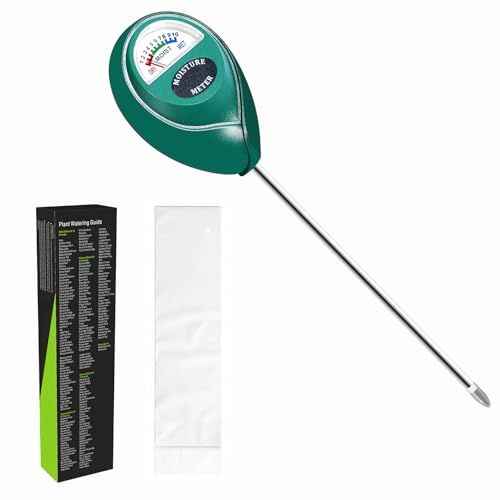
Trusted Since 2015: Become one of the many plant lovers who rely on the proven accuracy of XLUX. Established in 2015, our soil moisture meter has earned over 60,000+ verified ratings for its consistent performance. While many many newer brands come and go, we provide the long-term reliability and quality that American households have trusted for over a decade.

Accurate Soil Moisture Detection: The XLUX Soil Moisture Meter can tell you if the soil deep inside your pot or garden is dry, moist or wet; whereas your eyes and fingers can only determine the moisture level of the soil surface. The probe is 5.5 inches (14 cm) longer than regular styles, allowing it to measure the soil moisture at the bottom of larger and deeper flower pots.

【SAVE YOUR PLANTS】: Over watering can cause problems with your plants or even kill them. This soil moisture meter helps you know the soil is dry, moist or wet.No more over watering!
Factors Affecting Watering Frequency
Several factors influence how often you should water lettuce seeds:
- Temperature: Warmer temperatures increase evaporation, necessitating more frequent watering.
- Humidity: High humidity levels reduce water loss, leading to a lower need for watering.
- Wind: Windy conditions accelerate moisture loss, prompting more regular watering.
- Growth Stage: Newly seeded lettuce requires more water compared to established plants.
Soil Type and Moisture Retention
Soil type significantly impacts how well water is retained. Consider these soil types:
- Sandy Soil: Drains quickly, requiring more frequent watering.
- Clay Soil: Retains moisture better, reducing the need for frequent watering.
- Loamy Soil: Balances moisture retention and drainage, making it ideal for lettuce.
To assess soil moisture, stick your finger about an inch into the soil. If it feels dry, it’s time to water. Adjust your watering schedule based on these factors to promote healthy lettuce growth.
Best Practices for Watering Lettuce Seeds
Watering lettuce seeds requires a balanced approach. Maintaining consistent moisture ensures successful germination and healthy growth. Follow these best practices to optimize your watering routine.
Recommended Products

Kindly NOTE: This soil tester can not be applied to test pH value of any other liquid. If the soil is too dry the indicator will not move, and water it before testing.

【4 in 1 function】This is a 4-in-1 multifunctional soil tester.Our soil tester fastly to measure soil moisture, pH, temperature and sunlight to help you take better care of flowers and plants.You can know when you need to water your soil by measuring moisture and pH & Temperature value of the soil and sunlight level of plants with it.

Soil Moisture Meter: This single probe soil moisture meter is specially designed for testing the moisture level in the soil, helps you decide whether the plants need water or not, helps to keep plants alive.
Watering Schedule Recommendations
Water every day or every other day during the germination period. Expect this period to last about 7 to 14 days. Adjust based on environmental conditions like temperature and humidity. During warmer days, you might water more frequently. Use the following schedule based on the growth stage:
- Seedling Stage: Water daily. Keep the soil moist but not soggy.
- Young Plants: Water every 2-3 days. Allow the topsoil to dry slightly between watering.
- Mature Plants: Water every 3-4 days. Monitor soil moisture closely and adjust as needed.
Consistent watering helps lettuce thrive, but check moisture levels before watering to avoid overhydration.
Signs of Overwatering and Underwatering
Recognizing signs of improper watering helps maintain plant health. Here’s what to look for:
- Overwatering:
- Yellow Leaves: Leaves may turn yellow and wilt.
- Root Rot: Check for mushy, dark roots.
- Soil Condition: Soil feels soggy and remains wet for extended periods.
- Underwatering:
- Crispy Leaves: Leaves become crispy or wilted.
- Soil Condition: Soil feels dry several inches below the surface.
- Slow Growth: Plants show stunted growth or fail to thrive.
Adapting your watering habits based on these signs ensures healthy lettuce plants.
Techniques for Efficient Watering
Efficient watering techniques improve germination rates and promote healthy lettuce growth. Here’s how to optimize your watering approach.
Drip Irrigation vs. Manual Watering
Drip irrigation delivers water directly to the soil around the roots. You set up a system that supplies moisture consistently, reducing waste. This method makes it easier to maintain soil moisture levels. You can automate it for convenience, ensuring plants get the right amount of water at the right time.
Manual watering involves using a hose or watering can. You can control the amount and direction of water, making adjustments based on specific conditions. While effective, this method requires regular attention. You must check soil moisture levels frequently to avoid overwatering or underwatering.
The Importance of Drainage
Good drainage prevents water from pooling around lettuce roots. You must use well-draining soil to facilitate this. Significant moisture retention can lead to root rot and other diseases. If growing in containers, choose pots with drainage holes to allow excess water to escape.
Consider adding organic matter like compost to improve soil drainage. Amending soil with sand or perlite can also enhance aeration and drainage. Regularly check the drainage system’s efficiency to maintain an optimal growing environment for your lettuce.
Seasonal Considerations
Watering lettuce seeds varies with the seasons, affecting growth and moisture needs. Understanding these seasonal changes enhances your overall gardening success.
Watering in Different Climates
Watering frequency should adapt to your climate.
- In hot climates, evaporation occurs rapidly. Check soil moisture daily and water when the top inch dries.
- In cool or humid climates, moisture retention can be higher. Water every 3 to 5 days, ensuring not to overcrowd the soil.
- In arid areas, consider using mulch to reduce evaporation. This helps maintain consistent moisture levels.
Adjusting Watering for Indoor vs. Outdoor Growth
Indoor and outdoor environments require different watering approaches.
- For indoor growth, monitor humidity levels and adjust accordingly. Indoor plants may need watering less frequently, about once a week, depending on temperature and light.
- For outdoor growth, assess natural rainfall. If it rains consistently, reduce your watering schedule accordingly. Generally, outdoor lettuce benefits from deeper, less frequent watering sessions, about every 3 to 7 days.
By adjusting your watering habits based on seasonal changes and your specific environment, you create optimal conditions for lettuce seed germination and growth.
Conclusion
Watering your lettuce seeds just right can make all the difference in their growth journey. By keeping an eye on soil moisture and adjusting your watering schedule based on the climate and growth stage you’ll set your plants up for success. Remember to prioritize good drainage and watch for signs of stress in your plants. With a little attention and care your lettuce will thrive and reward you with a bountiful harvest. Happy gardening!
Frequently Asked Questions
What factors affect the germination of lettuce seeds?
Maintaining consistent moisture, proper temperature, humidity, and soil type are crucial for germinating lettuce seeds. Adjusting watering schedules based on soil moisture levels ensures optimal growth.
How should I water lettuce seeds?
Watering schedules vary by growth stage. Generally, keep the soil consistently moist but not soggy. Monitor for signs of overwatering or underwatering to adjust your watering routine accordingly.
What are the best watering techniques for lettuce?
Drip irrigation is efficient for even moisture distribution, while manual watering allows for flexibility. Choose based on your garden setup and convenience while ensuring good drainage.
How can I prevent overwatering lettuce?
Ensure proper drainage by using well-draining soil and containers with drainage holes. Watch for signs like yellowing leaves to adjust watering habits accordingly.
How does climate impact watering needs for lettuce?
Watering frequency should be adjusted based on climate conditions. Hot climates require more frequent watering, while cool/humid conditions may need less. Monitor accordingly to maintain moisture.
Is indoor watering different from outdoor watering for lettuce?
Yes, indoor watering often involves monitoring humidity levels and using less water due to reduced evaporation. Outdoor watering may be influenced by natural rainfall, so adjust your schedule based on current conditions.
What can improve soil drainage for lettuce growth?
Adding organic matter can enhance soil drainage. Regular maintenance of drainage systems and choosing soil that promotes drainage are key to preventing issues like root rot.
