

Have you ever wondered how often to water your lettuce for that perfect crunch? Growing your own lettuce can be rewarding, but getting the watering just right can be tricky. Too little water and your plants might wilt; too much can lead to root rot.
In this article, you’ll discover the best practices for watering lettuce, ensuring your garden thrives. With simple tips and a clear schedule, you’ll learn how to keep your lettuce crisp and healthy. Whether you’re a seasoned gardener or just starting out, you’ll find valuable insights that make caring for your lettuce a breeze.
Key Takeaways
- Watering Frequency: Water lettuce every 2 to 3 days, adjusting based on soil type, weather conditions, and plant growth stages.
- Soil and Container Considerations: Sandy soils drain quickly and may require more frequent watering, while clay soils retain moisture longer. Container-grown lettuce dries out faster than in-ground plants.
- Signs of Water Needs: Look for drooping leaves, dry soil, color changes, and brittleness in leaves to determine when to water your lettuce.
- Effective Watering Techniques: Use drip irrigation, soaker hoses, or hand-watering methods to ensure moisture reaches the roots without over-soaking the foliage.
- Avoiding Common Mistakes: Prevent overwatering and underwatering by monitoring soil moisture closely and adjusting your watering practice to the specific needs of your lettuce.
- Mulching Benefits: Applying mulch can help retain soil moisture, reducing the frequency of watering required for healthy lettuce growth.
Understanding Lettuce Watering Needs
Watering lettuce properly ensures crisp, healthy leaves. Striking the right balance between moisture and drainage is crucial.
Importance of Proper Watering
Proper watering prevents wilting and promotes healthy growth. Lettuce requires consistent moisture for optimal flavor and texture. Underwatering leads to bitter leaves, while overwatering can cause root rot. A well-watered lettuce plant grows faster and produces more abundant foliage.
Factors Influencing Watering Frequency
Several factors determine how often you should water your lettuce:
- Soil Type: Sandy soil drains quickly, requiring more frequent watering. Clay soil retains moisture longer, reducing the need for water.
- Weather Conditions: Hot, sunny days increase evaporation, necessitating daily watering. Cool, cloudy days may allow for every other day.
- Plant Stage: Young seedlings need more frequent watering, while established plants require less. Adjust your schedule based on growth.
- Container vs. In-Ground: Container plants dry out faster, so check moisture levels daily. In-ground lettuce typically retains moisture longer.
- Mulching: Using mulch helps retain soil moisture, reducing the frequency of watering.
Monitoring these factors helps tailor your watering schedule effectively. Use a soil moisture meter or simply check the top inch of soil; if it’s dry, it’s time to water.
How Often Do You Water Lettuce?
Watering lettuce correctly plays a vital role in its growth, health, and flavor. Typically, lettuce needs consistent moisture, especially during its growing phase.
Recommended Products

Trusted Since 2015: Become one of the many plant lovers who rely on the proven accuracy of XLUX. Established in 2015, our soil moisture meter has earned over 60,000+ verified ratings for its consistent performance. While many many newer brands come and go, we provide the long-term reliability and quality that American households have trusted for over a decade.
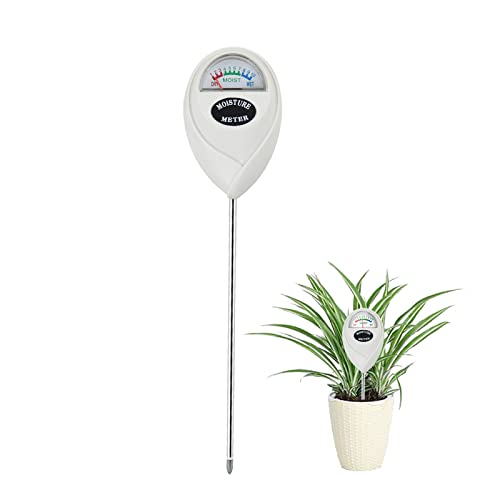
【SAVE YOUR PLANTS】: Over watering can cause problems with your plants or even kill them. This soil moisture meter helps you know the soil is dry, moist or wet.No more over watering!
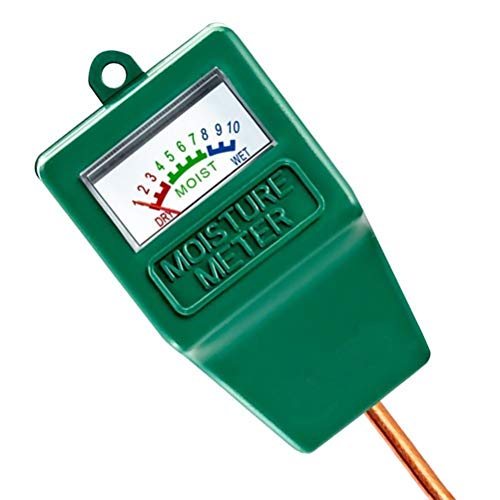
Soil Moisture Meter: This single probe soil moisture meter is specially designed for testing the moisture level in the soil, helps you decide whether the plants need water or not, helps to keep plants alive.
General Guidelines
Water lettuce every 2 to 3 days, adjusting based on conditions. Pay attention to:
- Soil Type: Sandy soil drains quickly and may need more frequent watering, while clay soil retains moisture longer.
- Weather Conditions: Hot, dry weather increases evaporation, requiring daily or more frequent watering. Conversely, cooler, overcast days may only need watering every 4 to 5 days.
- Plant Stage: Young seedlings often need more water than mature plants, which can have deeper roots. Once established, lettuce can tolerate slight dryness.
- Container Type: Potted lettuce tends to dry out faster than garden-grown plants. Check pots daily during hot spells.
- Mulching: Applying mulch helps retain soil moisture and can reduce watering frequency.
Signs Your Lettuce Needs Water
Recognizing when lettuce requires water is essential for its health. Look for these indicators:
- Drooping Leaves: Wilted or limp leaves signal that your plants are thirsty.
- Dry Soil: Stick your finger about an inch into the soil. If it feels dry, it’s time to water.
- Color Changes: Yellowing leaves may indicate underwatering or nutrient deficiencies. Evaluate moisture levels to see if watering is necessary.
- Brittle Texture: If lettuce leaves become crispy or brittle, they likely lack moisture.
Regular monitoring and adjusting your watering schedule can lead to crisp, flavorful lettuce.
Techniques for Watering Lettuce
Watering lettuce properly involves various techniques that ensure it receives adequate moisture while preventing issues like root rot. Following these methods helps maintain healthy growth.
Recommended Products

Accurate Soil Moisture Detection: The XLUX Soil Moisture Meter can tell you if the soil deep inside your pot or garden is dry, moist or wet; whereas your eyes and fingers can only determine the moisture level of the soil surface. The probe is 5.5 inches (14 cm) longer than regular styles, allowing it to measure the soil moisture at the bottom of larger and deeper flower pots.

Accurate Soil Moisture Detection: The XLUX Soil Moisture Meter detects deep soil moisture in pots or gardens (dry/moist/wet), unlike eyes or fingers that only sense surface soil.

Accurate Monitor: Visible window from blue to white as soil moisture decreases. One glance tells you if there's a water shortage.
Best Watering Methods
- Drip irrigation: This method delivers water directly to the soil at the plant’s roots. It minimizes evaporation and runoff, ensuring consistent moisture.
- Soaker hoses: Lay soaker hoses on the soil surface. They allow water to seep slowly into the soil, providing even watering without soaking the foliage.
- Hand watering: Use a watering can or hose with a spray nozzle for targeted watering. Focus on the soil rather than the leaves to reduce the risk of diseases.
- Hydroponics: If you’re growing lettuce without soil, maintaining a nutrient-rich water solution is crucial. Monitor pH levels and adjust as necessary.
- Morning watering: Watering in the early morning allows time for excess moisture to evaporate from the leaves. It helps prevent fungal diseases while keeping roots hydrated throughout the day.
- Evening watering: If mornings aren’t possible, water in the early evening. Be cautious, as this might leave moisture overnight, promoting disease.
- Adjust based on conditions: During hot weather or drought, check moisture levels daily. In cooler, wetter seasons, you might need to water less frequently.
Monitoring the weather and adjusting your watering schedule ensures your lettuce remains crisp and flavorful.
Common Mistakes in Watering Lettuce
Watering lettuce requires careful attention to detail. Several common mistakes can hinder growth and affect the quality of your crop.
Overwatering Issues
Overwatering leads to several problems. You can find your lettuce plants suffering from root rot, which is caused by excessive moisture in the soil. Signs include yellowing leaves and a mushy base. To prevent this, ensure proper drainage in your containers or soil. Use pots with holes at the bottom or amend garden soil with organic matter to boost drainage. Watering every 2 to 3 days, rather than daily, helps maintain balance.
Underwatering Consequences
Underwatering poses risks as well. Insufficient moisture can cause lettuce to bolt, or go to seed prematurely, resulting in a bitter taste. Leaves may turn wilted or dry. To combat this, observe your plants frequently. If the top inch of soil feels dry, it’s time to water. Consider using mulch to retain moisture during hot weather. Irrigating deeply but less frequently encourages root growth while preventing stress during dry periods.
By avoiding these common mistakes, you’ll cultivate healthier and more flavorful lettuce. Remember to tailor your watering practices to fit the specific conditions in your garden or growing environment.
Conclusion
Getting the watering right for your lettuce can make all the difference in its flavor and health. By paying attention to your plants and adjusting your watering routine based on their needs you’ll set yourself up for success. Remember that each garden is unique so don’t hesitate to experiment a bit to find what works best for you.
With the right balance of moisture and drainage you’ll enjoy crisp and delicious lettuce straight from your garden. Happy gardening!
Frequently Asked Questions
How often should I water my lettuce plants?
Lettuce plants typically need watering every 2-3 days, but this can vary based on soil type, weather, and plant growth stage. Adjust the frequency to maintain consistent moisture without waterlogging the soil.
What happens if I underwater my lettuce?
Underwatering can result in bitter-tasting lettuce and may promote premature bolting. It’s essential to keep the soil consistently moist to prevent these issues and ensure healthy growth.
Can overwatering damage my lettuce?
Yes, overwatering can lead to root rot, a serious condition that stunts growth and can kill the plant. Ensure proper drainage in your containers or garden beds to prevent excess water buildup.
What are the best watering techniques for lettuce?
Effective techniques include drip irrigation, soaker hoses, hand watering, or using hydroponics. These methods help deliver consistent moisture while preventing overwatering.
How does soil type affect my lettuce watering?
Soil type influences drainage and moisture retention. Sandy soils drain quickly and require more frequent watering, while clay soils retain moisture longer, needing less frequent watering.
What role does mulching play in watering lettuce?
Mulching helps retain soil moisture and regulate temperature, which is beneficial for lettuce growth. It reduces evaporation and the need for constant watering, especially in hot weather.
How can I tell if my lettuce needs water?
Signs of dryness, such as wilting or crispy leaves, indicate that lettuce needs water. Regularly observe your plants and check the soil moisture level to identify when it’s time to water.
What common mistakes should I avoid when watering lettuce?
Avoid overwatering to prevent root rot and underwatering to stop bitterness and bolting. Ensure proper drainage, monitor soil moisture, and adjust your watering schedule based on weather and plant needs.
