

Have you ever wondered why your romaine lettuce isn’t thriving like you hoped? Watering can be tricky, and finding the right balance is key to growing healthy, crisp leaves. Too little water can lead to wilting, while too much can cause root rot.
Key Takeaways
- Optimal Water Requirement: Romaine lettuce thrives on 1 to 1.5 inches of water weekly, including rainfall; adjust based on weather conditions.
- Soil Type Importance: Sandy soils drain quickly and need frequent watering, whereas clay soils retain moisture and may require less water.
- Growth Stage Considerations: Young plants require more water for establishment, while mature plants can tolerate slight dryness but still need adequate moisture.
- Signs of Underwatering: Look for wilting, curled leaves, and brown edges to determine if your romaine lettuce is not receiving enough water.
- Signs of Overwatering: Yellowing leaves, soggy soil, and root rot are clear indicators that your plants may be overwatered.
- Watering Techniques: Employ methods like drip irrigation or hand watering to control moisture effectively, ensuring water reaches the plant’s roots without oversaturating the soil.
Overview Of Romaine Lettuce Water Needs
Romaine lettuce thrives with consistent moisture. For optimal growth, you should aim to provide about 1 to 1.5 inches of water per week. This amount includes both rainfall and additional watering. Adjust your watering schedule based on weather conditions, as hot, dry days may require more frequent hydration.
Key Factors Affecting Water Needs
- Soil Type: Different soil types retain moisture differently. Sandy soils drain quickly and require more frequent watering. Clay soils retain moisture, which may reduce your watering frequency.
- Growth Stage: Young plants need more water to establish their root systems. Mature plants may be more tolerant of slight dryness but should still receive adequate moisture.
- Temperature: Higher temperatures increase evaporation rates, leading to a higher water requirement. Plan your watering during the cooler parts of the day to minimize evaporation.
Signs Of Underwatering And Overwatering
- Underwatering Signs: If romaine leaves appear wilted or curled, this often indicates insufficient water. Brown edges on leaves can also be a signal that you’re not watering enough.
- Overwatering Signs: Yellowing leaves and persistent soggy soil point to overwatering. Root rot can develop in overly damp conditions, damaging the plant’s overall health.
- Monitor Soil Moisture: Use your finger to check the soil a couple of inches deep. If it’s dry, it’s time to water.
- Water at the Base: Aim to water directly at the base of the plants to direct moisture where it’s needed most.
- Mulch Around Plants: Adding mulch can help retain moisture in the soil, reducing the frequency of watering.
- Adjust for Rainfall: Keep an eye on rainfall amounts and adjust your watering schedule accordingly to avoid overwatering.
By paying attention to these factors and signs, you can provide your romaine lettuce with the right amount of water for healthy growth.
Factors Affecting Water Requirements
Several key factors influence the water needs of romaine lettuce. Consider these factors to ensure your plants get the right amount of moisture for optimal growth.
Recommended Products

【SAVE YOUR PLANTS】: Over watering can cause problems with your plants or even kill them. This soil moisture meter helps you know the soil is dry, moist or wet.No more over watering!
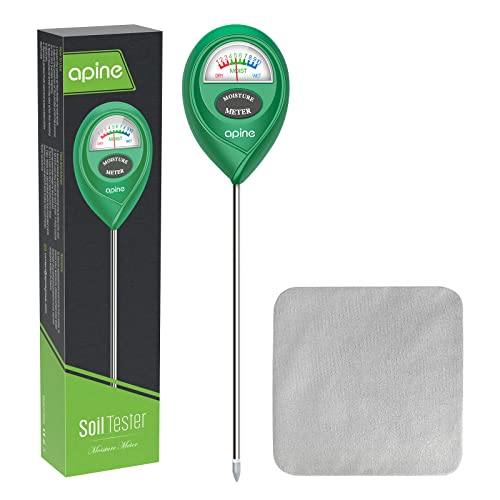
Quick Measurement:Just insert the probe of the plant water meter into the soil about two to four inches,wait a few seconds,you can get the soil moisture immediately.The color division of the dial is simple and clear,and the elderly can easily use it

Soil Moisture Meter: This single probe soil moisture meter is specially designed for testing the moisture level in the soil, helps you decide whether the plants need water or not, helps to keep plants alive.
Soil Type
Soil type plays a significant role in how quickly water drains. Sandy soils drain quickly and may require more frequent watering. Clay soils hold moisture and may need less water, but they can become compacted. Loamy soils, a mix of sand, silt, and clay, retain moisture while allowing for good drainage. You can enhance retention by incorporating organic matter, like compost, to improve the water-holding capacity of sandy soils.
Climate Conditions
Climate conditions directly impact the water requirements of romaine lettuce. Hot, dry climates increase evaporation rates, leading to a greater need for water. Conversely, cooler, humid regions may decrease the need for frequent watering. During peak summer months, you might need to water more often—perhaps daily in extremely hot weather. In contrast, during cooler, rainy periods, you may cut back on watering. Monitoring local weather conditions helps you adjust your watering schedule accordingly.
Watering Techniques For Romaine Lettuce
Proper watering techniques ensure your romaine lettuce thrives. Here are some effective methods to achieve optimal hydration.
Recommended Products
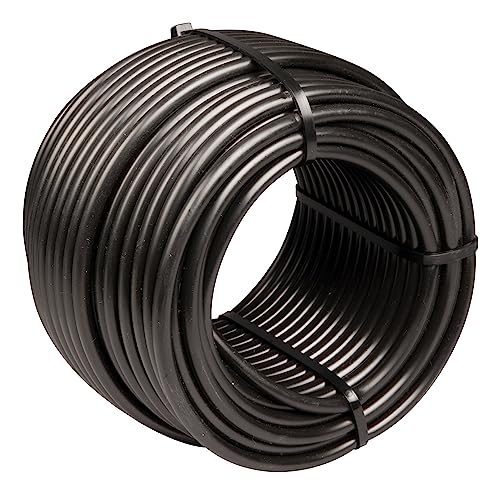
Rugged, flexible tubing that's easy to unroll and stake in garden, flower bed, ground cover or other landscaped areas

【Upgraded Tube Design & Water Saving】 Our garden watering system is upgraded to 1/2” diameter to support high water pressure. The 1/2” tee connector allows seamless splitting into 2 independent zones for customized watering schedules. By delivering moisture directly to root zones, this drip Irrigation system significantly reduces evaporation and runoff—saving more water compared to conventional sprinklers while eliminating the need for manual watering.
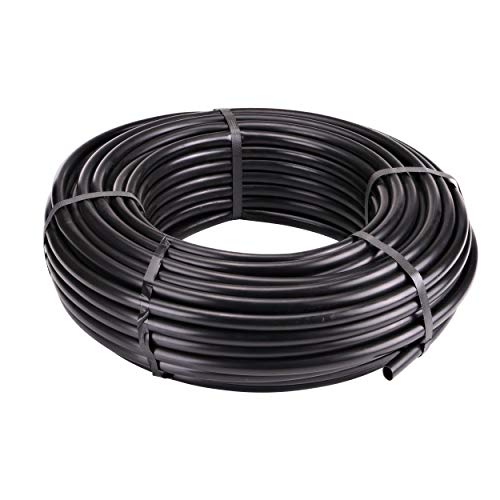
1/2 INCH IRRIGATION TUBING: Use as main supply line or feeder line; punch in emitters to deliver water directly along the tubing in drip irrigation systems
Drip Irrigation
Drip irrigation provides a consistent water supply directly to the roots. This method minimizes evaporation and runoff. Install drip lines along your planting rows, ensuring they deliver approximately 1 to 1.5 inches of water per week.
Set timers to automate watering based on weather conditions. Adjust the frequency during hot dry spells, adding more water as needed. Regularly check and clean the drip emitters to prevent clogs, ensuring your plants receive adequate moisture.
Hand Watering
Hand watering offers precise control over water application. Use a watering can or a hose with a spray nozzle. Aim for the base of each plant to avoid wetting the leaves, which can promote disease.
Water thoroughly but avoid oversaturation. A good practice is to check soil moisture before watering. Stick your finger about an inch into the soil; if it feels dry, it’s time to water. This method allows you to gauge individual plant needs, particularly during dry spells or when younger plants require extra attention.
By adopting these watering techniques, you maintain healthy, thriving romaine lettuce in your garden.
Signs Of Overwatering And Underwatering
Identifying the signs of overwatering and underwatering in romaine lettuce helps you adjust your watering practices for optimal growth. Recognizing these indicators allows for timely interventions.
Recommended Products

Kindly NOTE: This soil tester can not be applied to test pH value of any other liquid. If the soil is too dry the indicator will not move, and water it before testing.

Accurate Soil Moisture Detection: The XLUX Soil Moisture Meter can tell you if the soil deep inside your pot or garden is dry, moist or wet; whereas your eyes and fingers can only determine the moisture level of the soil surface. The probe is 5.5 inches (14 cm) longer than regular styles, allowing it to measure the soil moisture at the bottom of larger and deeper flower pots.

Signs Of Overwatering
- Yellowing Leaves: Look for yellowing, particularly in older leaves. This indicates excessive moisture affecting nutrient uptake.
- Soggy Soil: Inspect the soil; it should feel moist but not waterlogged. Soggy soil suggests draining issues and may lead to root rot.
- Wilting Despite Moisture: If leaves are wilting but the soil is wet, overwatering is likely reducing roots’ access to oxygen.
- Root Rot Symptoms: Check for a foul smell or black, mushy roots when you gently uproot a plant. These are clear signs of root rot caused by too much water.
Signs Of Underwatering
- Wilting Leaves: Signs of wilting often occur during hot days or lack of water. Leaves may appear droopy and lack firmness.
- Curling Leaves: If you notice the edges of leaves curling upwards, this indicates insufficient moisture. This adjustment helps the plant conserve water.
- Crisp Texture: Leaves may become crisp and develop a dry, papery texture. Inspecting the leaves often shows the extent of moisture stress.
- Lightweight Soil: Feel the soil at the root base. Lightweight, dry soil can signal a lack of water when it should ideally be moist.
- Check Soil Moisture: Insert a finger into the soil up to the second knuckle. If it feels dry, a watering session is necessary. If it feels wet, hold off on watering.
- Adjust Watering Schedule: Modify your schedule based on weather conditions. Increase watering during hot spells and reduce during cooler, humid days.
- Use Mulch: Apply a layer of mulch around the base of plants. Mulch helps retain moisture and regulate soil temperature.
By staying alert to these signs, you can maintain the ideal water balance for your romaine lettuce, promoting healthy growth and harvest.
Conclusion
Getting the watering right for your romaine lettuce is key to a thriving garden. By keeping an eye on soil moisture and adjusting your watering routine based on the weather and soil type, you can help your plants flourish. Remember to watch for signs of stress like wilting or yellowing leaves so you can make timely adjustments.
Using techniques like drip irrigation or hand watering can give you more control over how much water your lettuce gets. With a little attention and care, you’ll be well on your way to enjoying a bountiful harvest of crisp, delicious romaine lettuce. Happy gardening!
Frequently Asked Questions
How much water does romaine lettuce need per week?
Romaine lettuce typically requires about 1 to 1.5 inches of water per week. This amount includes rainfall and any additional watering. Adequate hydration is crucial for healthy leaf growth and prevents wilting or root rot.
What are the signs of underwatering romaine lettuce?
Signs of underwatering include wilted or curled leaves, a crisp texture, and dry, lightweight soil. It’s important to monitor these symptoms to ensure your lettuce receives the right amount of moisture for optimal growth.
What are the signs of overwatering romaine lettuce?
Overwatering indicators include yellowing leaves, soggy soil, and wilting despite adequate moisture. Other symptoms can involve root rot, such as foul smells or black, mushy roots, which can severely affect lettuce health.
How does soil type affect watering romaine lettuce?
Soil type significantly influences watering needs. Sandy soils drain quickly and may require more frequent watering, while clay soils retain moisture but can compact. Loamy soils, however, provide a balance, retaining moisture well for optimal growth.
How can climate conditions impact the watering of romaine lettuce?
Climate conditions affect evaporation rates. In hot, dry climates, romaine lettuce may need more frequent watering, particularly in summer. Conversely, cooler and humid regions may require less frequent watering due to reduced evaporation.
What are effective watering techniques for romaine lettuce?
Drip irrigation is an effective technique, delivering consistent water directly to the roots while minimizing evaporation. Hand watering can provide precise control, and it’s essential to water at the base of each plant and check soil moisture regularly.
How can I adjust my watering schedule for romaine lettuce?
Adjust your watering schedule by monitoring local weather conditions and checking soil moisture levels. If it rains, reduce watering. During dry spells or peak heat, increase watering frequency to maintain soil moisture for healthy lettuce growth.
