

Ever wondered how much vitamin K is packed into that crisp romaine lettuce in your salad? You’re not alone. Many people are curious about the nutritional value of their favorite greens, especially when it comes to vitamins that play a crucial role in your health.
Key Takeaways
- Romaine lettuce contains approximately 126% of the recommended daily intake of vitamin K per 100-gram serving, making it an excellent source of this essential nutrient.
- Vitamin K is crucial for blood clotting, bone health, and heart health, highlighting the importance of including vitamin K-rich foods in your diet.
- Besides romaine lettuce, other high sources of vitamin K include kale (817%), spinach (483%), and collard greens (390%).
- Romaine lettuce is low in calories and provides beneficial macronutrients and micronutrients, contributing to a balanced diet.
- Incorporating a variety of leafy greens in your diet enhances your vitamin K intake, promoting overall wellness and reducing the risk of fractures and excessive bleeding.
Overview Of Vitamin K
Vitamin K is crucial for various bodily functions. This fat-soluble vitamin plays a significant role in blood clotting and bone health. Without enough vitamin K, you might face increased bleeding risks and weakened bones.
Romaine lettuce is an excellent source of vitamin K. A 100-gram serving contains approximately 126% of the recommended daily intake. This amount varies with the freshness and preparation of the lettuce but often remains high.
Recommended Products


Comprehensive Formula: Provides 3 clinically studied types of vitamin K for optimal health – vitamin K1, vitamin K2 as MK-4, and vitamin K2 as MK-7

Triple The Support Complex: Provides both Vitamin K1 and two forms of Vitamin K2, Vitamin K2 MK4 (Menatetrenone-4) and Vitamin K2 MK7 (Menaquinone-7).
Types Of Vitamin K
- Vitamin K1 (Phylloquinone): Found in green leafy vegetables, including romaine lettuce. It plays a primary role in blood clotting.
- Vitamin K2 (Menaquinone): Found in fermented foods and animal products. It supports bone and heart health.
Benefits Of Vitamin K
- Blood Clotting: Essential for synthesizing proteins needed for blood coagulation.
- Bone Health: Helps regulate calcium in bones and blood, promoting stronger bone density.
- Heart Health: May help reduce arterial stiffness, supporting cardiovascular function.
Sources Of Vitamin K
Besides romaine lettuce, other sources include:
- Spinach: Offers about 482% of the daily value per 100 grams.
- Kale: Around 817% of the daily value per 100 grams.
- Broccoli: Approximately 102% of the daily value per 100 grams.
Incorporating these foods into your diet boosts vitamin K intake and supports overall health.
Nutritional Profile Of Romaine Lettuce
Romaine lettuce offers a rich nutritional profile, making it a valuable addition to your diet. It delivers essential macronutrients and micronutrients that contribute to overall health.
Macronutrients
Romaine lettuce is low in calories, making it an ideal choice for weight management. A 100-gram serving contains:
- Calories: 17
- Protein: 1.2 grams
- Fat: 0.3 grams
- Carbohydrates: 3.3 grams
- Fiber: 2.1 grams
These macronutrients play important roles in your diet. Protein supports muscle maintenance, while fiber enhances digestive health. The low fat and calorie content allows for guilt-free consumption.
Micronutrients
Romaine lettuce is nutrient-dense and provides a variety of vitamins and minerals. Notable micronutrient content per 100-gram serving includes:
- Vitamin K: 126% of the recommended daily intake
- Vitamin A: 148% of the recommended daily intake
- Folate: 35% of the recommended daily intake
- Vitamin C: 15% of the recommended daily intake
- Potassium: 7% of the recommended daily intake
The high levels of vitamin K promote bone and heart health, while vitamin A supports vision and immune function. Folate is vital for cell division and DNA synthesis, making romaine a beneficial choice for pregnant individuals. Incorporating romaine lettuce into salads and wraps boosts your intake of these essential nutrients.
How Much Vitamin K Does Romaine Lettuce Have
Romaine lettuce serves as a rich source of vitamin K, delivering significant health benefits. It contains approximately 126% of the recommended daily intake per 100-gram serving. This high percentage means you can easily meet or exceed your daily vitamin K needs by including just a couple of servings in your meals.
Daily Value Percentage
The daily value percentage for vitamin K indicates how much a serving contributes to your overall nutrient intake. For romaine lettuce, a standard 100-gram serving offers about 126% of the daily value for adults. This percentage highlights romaine’s effectiveness in supporting essential functions like blood clotting and bone health. Regularly consuming romaine can help maintain adequate vitamin K levels, promoting overall well-being.
Comparison With Other Greens
Romaine lettuce stands out among other greens due to its high vitamin K content. Here’s a comparison of vitamin K levels in various leafy greens per 100-gram serving:
| Green Vegetable | Vitamin K Content (mcg) | Daily Value Percentage |
|---|---|---|
| Romaine Lettuce | 126 | 126% |
| Kale | 817 | 817% |
| Spinach | 483 | 483% |
| Collard Greens | 390 | 390% |
| Broccoli | 101 | 101% |
As this table shows, while kale and spinach contain even higher amounts of vitamin K, romaine lettuce still provides a substantial intake. Incorporating a variety of these greens into your diet ensures you receive a well-rounded supply of vitamins and nutrients.
Health Benefits Of Vitamin K
Vitamin K plays a vital role in maintaining several bodily functions. Understanding its benefits helps you appreciate the significance of incorporating foods like romaine lettuce into your diet.
Recommended Products
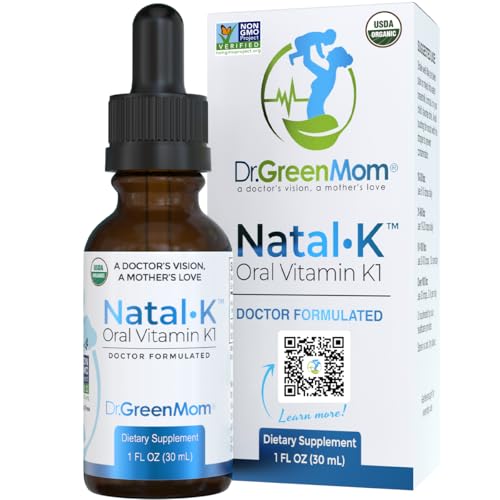
A Trusted Oral Vitamin K Supplement Suitable for Infants: Dr. Green Mom Natal K provides 500 mcg of phytonadione (vitamin K1) per serving to naturally support your newborn’s healthy clotting ability.
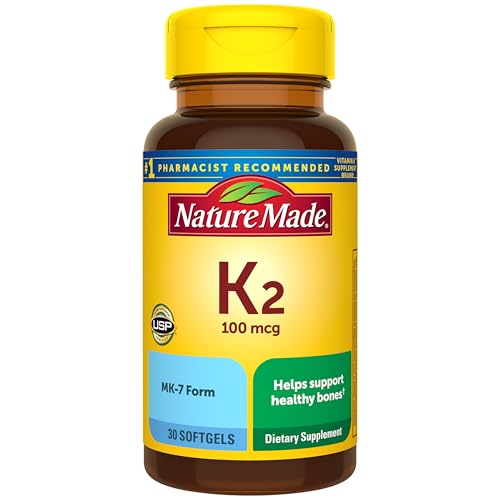
Bone support supplement: contains one 30 count bottle of Nature Made Vitamin K2 100 mcg Softgels for a 30-day supply

SUPPORTS DIGESTIVE WELLNESS WITH NATURAL PLANT FIBER AND WHOLE-FOOD NUTRIENTS. Formulated with organic vegetables including broccoli, kale, cabbage, and parsley alongside fiber-supporting fruits, this organic greens tablet is designed to support healthy digestion and regularity. A simple daily addition for adults who want plant-based digestive wellness support without powders or prep.
Bone Health
Vitamin K supports bone health by promoting the production of proteins that regulate calcium in your bones and blood. This process helps maintain bone density and strength. Research indicates that adequate vitamin K intake is linked to a reduced risk of fractures. Incorporating romaine lettuce and other leafy greens into your meals can enhance your bone health significantly.
Blood Clotting
Vitamin K is essential for effective blood clotting. It assists in the synthesis of clotting factors that prevent excessive bleeding. When you consume adequate amounts of vitamin K, you promote proper clotting, which is crucial after injuries or surgeries. Adding romaine lettuce to your salads or sandwiches supports your body’s natural clotting processes, contributing to overall health and safety.
Conclusion
Romaine lettuce is a fantastic way to boost your vitamin K intake while enjoying a low-calorie food. With its impressive vitamin K content you can easily support your bone health and blood clotting functions.
Incorporating romaine into your meals not only adds crunch and flavor but also contributes to your overall nutrient profile. Don’t forget to mix it up with other leafy greens like spinach and kale to maximize your vitamin intake.
So next time you whip up a salad or wrap, remember that romaine lettuce is a delicious and nutritious choice for your health journey. Enjoy those greens and feel great knowing you’re doing something good for your body!
Frequently Asked Questions
What is the vitamin K content in romaine lettuce?
Romaine lettuce contains approximately 126% of the recommended daily intake of vitamin K per 100-gram serving. This makes it an excellent source of this essential nutrient, which is important for blood clotting and bone health.
How does vitamin K benefit my health?
Vitamin K plays a crucial role in blood clotting and bone health. It helps synthesize proteins that regulate calcium, contributing to bone density and reducing fracture risk. Additionally, it supports essential bodily functions by promoting effective blood coagulation.
Are there other sources of vitamin K besides romaine lettuce?
Yes, other sources of vitamin K include spinach, kale, broccoli, and fermented foods like natto. Incorporating a variety of these foods into your diet can help improve your overall vitamin K intake.
Is romaine lettuce a low-calorie food?
Absolutely! Romaine lettuce has only 17 calories per 100-gram serving. Its low calorie content makes it an ideal choice for those looking to manage their weight while still obtaining essential nutrients.
What other nutrients does romaine lettuce provide?
In addition to vitamin K, romaine lettuce is rich in vitamins A, C, and folate, as well as potassium. These nutrients support various health benefits, including immune function, vision, and digestive health.
Can I rely solely on romaine lettuce for my vitamin K needs?
While romaine lettuce is a great source of vitamin K, it’s beneficial to include a variety of leafy greens like kale and spinach in your diet. This variety ensures a well-rounded intake of essential nutrients.
