

Have you ever wondered how much sunlight your tomatoes really need to thrive? Picture this: eagerly planting your tomato seedlings, dreaming of a bountiful harvest, only to see them struggle under the sun’s relentless gaze. Understanding the optimal amount of sunlight for your tomato plants is key to ensuring they reach their full potential.
In this article, we’ll explore the ideal sunlight requirements for tomatoes, guiding you on striking the perfect balance between too little and too much sun exposure. By knowing how much sunlight is just right for your tomato plants, you can foster robust growth, vibrant foliage, and ultimately, a plentiful yield. Stay tuned to discover the secrets to harnessing the power of sunlight for your tomatoes’ success.
Key Takeaways
- Tomatoes thrive best when they receive around 6-8 hours of direct sunlight daily.
- Position tomato plants in a location that gets morning sun followed by partial shade during the hottest part of the day to prevent overheating.
- Factors like tomato variety, climate conditions, and plant growth stage influence sunlight needs.
- Watch for signs of insufficient sunlight such as leggy growth, fewer flowers/fruits, and yellowing leaves.
- Incorporate shade to regulate sunlight exposure and address issues like sunscald or wilting from excessive sun.
- Adjust light conditions by relocating plants to sunnier spots or using reflective mulch if facing low-light challenges.
The Importance of Sunlight for Tomatoes
Understanding the significance of sunlight for your tomato plants is crucial for their overall health and productivity. Let’s delve into why sunlight matters and the ideal conditions tomatoes need to thrive.
Why Sunlight Matters
Sunlight plays a vital role in the growth and development of tomato plants. It serves as the primary source of energy through photosynthesis, where plants convert light into sugars essential for their growth. Adequate sunlight exposure also helps in enhancing fruit production and improving fruit quality.
Insufficient sunlight can lead to stunted growth, weak stems, pale leaves, and poor fruit development in tomatoes. On the other hand, excessive sun exposure can cause sunburn on leaves or fruits and lead to heat stress, affecting plant health negatively.
Ideal Sunlight Conditions for Tomatoes
Tomatoes thrive best when they receive around 6-8 hours of direct sunlight daily. Ideally, they should be placed in a location that receives morning sun followed by partial shade during the hottest part of the day to prevent overheating.
When positioning your tomato plants, ensure they are not shaded by tall structures or trees that obstruct sunlight. Consider rotating containers or pots throughout the day if planting them on a balcony or patio with limited direct sunlight exposure.
By providing your tomatoes with optimal sunlight conditions, you’ll promote healthy growth, vibrant foliage, and bountiful harvests. Remember to monitor their sun exposure regularly to adjust as needed based on seasonal changes for maximum yield potential.
Determining the Right Amount of Sunlight
To ensure your tomato plants flourish, it’s crucial to understand how much sunlight they need. Here are key factors that influence their sunlight requirements and signs indicating they might not be getting enough:
Recommended Products

FULL SPECTRUM & NATURAL LIGHT: A19 full spectrum grow light appears 4000K white to eyes but has a red/blue light spectrum. Same as natural sun shine, perfect for tomatoes, cucumbers, peppers, leafy greens and herbs at all growth stages.

6000K Daylight Full Spectrum- Packed with 40 white and 8 red LEDs, this growth light throws a crisp 6000K beam that reads like real sunshine indoors. Built for flowers, herbs, peppermint, succulents, and seed starting, and flexible enough for hanging baskets, trellises, floor pots, and bonsai alike.

Upgraded Grow Light with Stand: This indoor grow light is equipped with a adjustable tripod stand extendable from 15 inches to 48 inches , just set it at desired height for your preferred use, you can stand it on the floor and adjust the gooseneck at the desired angle according to the needs of the plant.
Factors Affecting Sunlight Needs
- Variety of Tomato Plant: Different tomato varieties have varying sunlight needs. Some may thrive with less direct sun, while others require more intense exposure for optimal growth.
- Climate Conditions: The climate in your region plays a significant role in determining the amount of sunlight your tomatoes should receive. Hotter climates may necessitate providing partial shade during peak sun hours to prevent heat stress.
- Plant Growth Stage: The sunlight requirements of tomato plants change as they grow. Young seedlings may need less direct sun initially, while mature plants require full sun exposure for fruit development.
- Leggy Growth: If you notice your tomato plant growing tall and spindly with elongated gaps between leaves, it could be a sign of insufficient sunlight reaching the lower foliage.
- Fewer Flowers or Fruits: Inadequate sunlight can lead to reduced flower production and fruit set on your tomato plant, impacting its overall yield.
- Yellowing Leaves: Yellowing or pale green leaves, especially lower down on the plant, indicate a lack of chlorophyll production due to insufficient sun exposure.
By considering these factors and recognizing signs of inadequate sunlight, you can adjust the light conditions for your tomato plants accordingly to promote healthy growth and bountiful harvests.
Best Practices for Managing Sunlight
To ensure your tomato plants thrive, it’s crucial to manage sunlight effectively. Here are some best practices to help you optimize their sun exposure:
Recommended Products

【Newest Grow Light】The appearance of the lamp head adopts patentable mold technology and incorporates exclusive design concepts. The back plate has a unique pattern and premium texture which is not easily scratched. The holes in the back are specially reserved for heat dissipation space, saying goodbye to the heating problem during the use of the lamp.
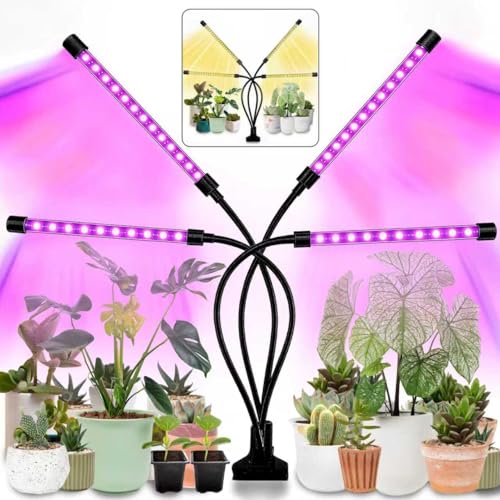
🌻Efficient LED Combination: This LED lamp has grow lights made up of 80 efficient growing LEDs ( 32 red lights, 12 blue lights,20 yellow lights and 16 white lights). It meets the conditions of plant growth without sunlight. 1--Full Spectrum(380nm-800nm): Suitable for all plants to root and sprout. 2--Red(660nm)+BLUE(460nm) Spectrum: for blooming and fruits. 3--Red+Blue+Full Spectrum: A mix of Red+Blue+Warm White is best to fuel the growth of your plants.

【Newest Grow Light】The appearance of the lamp head adopts patentable mold technology and incorporates exclusive design concepts. The back plate has a unique pattern and premium texture which is not easily scratched. The holes in the back are specially reserved for heat dissipation space, saying goodbye to the heating problem during the use of the lamp.
Positioning Your Tomato Plants
When positioning your tomato plants, aim for a spot that receives 6-8 hours of direct sunlight each day. Ideally, they should get the morning sun and partial shade later to prevent overheating. By placing them strategically, you can promote robust growth and vibrant foliage.
Using Shade to Moderate Sunlight
Incorporating shade is key to regulating sunlight exposure for your tomatoes. Providing partial shade during the hottest parts of the day can prevent issues like sunburn and excessive heat stress. This moderation helps maintain optimal conditions for healthy growth and bountiful harvests.
Common Challenges and Solutions
Recommended Products

【High Quality ,More sizes, Give you more choices】- Our Shade Cloth can resist rays and most sunlight while air can still flow through so as to create a comfortable cool and shaded place for people or plants.
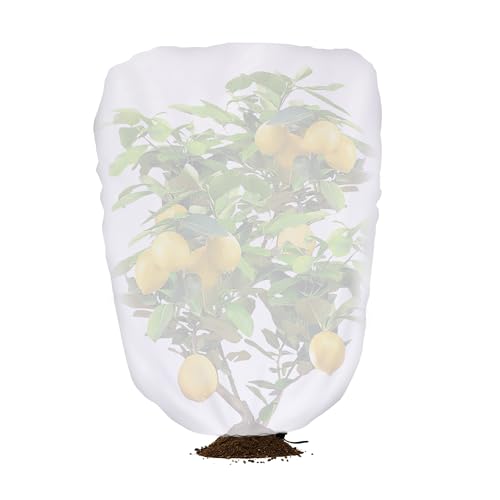
Full Spectrum White Light Refraction: Our shade cover for garden can not only effectively block strong direct sunlight, prevent extreme high temperature and sun damage to plants, but also meet the sunlight needed by plants, refraction full spectrum white light, so that your plants get balanced daylight.
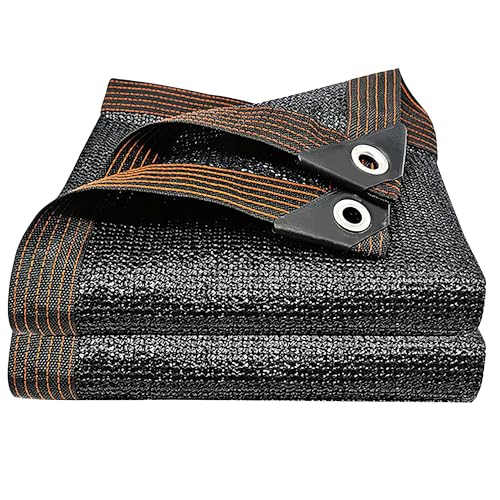
50% Shade Rate: Our Shade Cloth can resist rays and most sunlight while air can still flow through so as to create a comfortable cool and shaded place for people or plants. It blocks 50% of the sunshine and bring 50% the shadow, 50% of the sunshine can through it.
Dealing with Too Much Sun
When your tomato plants receive excessive sunlight, they can suffer from issues like sunscald, wilting, or even leaf burn. To address this, consider providing some shade during the hottest parts of the day. You could use a shade cloth or plant taller crops nearby to create natural shading for your tomatoes. Another option is to water your plants more frequently to help them cope with the intense sunlight.
Remedies for Low Light Conditions
In cases where your tomato plants aren’t getting enough sunlight, you might notice leggy growth or poor fruit development. To remedy this situation, try relocating your plants to a sunnier spot if possible. Additionally, consider pruning nearby trees or bushes that may be blocking the sunlight. Using reflective mulch around the base of your plants can also help maximize light exposure by reflecting sunlight back onto the leaves.
By being attentive to these challenges and implementing suitable solutions, you can ensure that your tomato plants receive the right amount of sunlight for optimal growth and bountiful harvests.
Conclusion
Ensuring your tomato plants receive the right amount of sunlight is key to their growth and productivity. By providing 6-8 hours of direct sunlight daily, preferably with morning sun and partial shade later on, you can help your tomatoes flourish without complications like stunted growth or sunburn. Remember to adjust sunlight exposure based on factors such as tomato variety, climate conditions, and growth stage for optimal results. Implementing best practices like strategic plant placement and using shade when needed will aid in maintaining healthy foliage and bountiful harvests. Be attentive to signs of overexposure or insufficient sunlight, making necessary adjustments promptly to support your plants’ well-being. With proper care and attention to their sunlight needs, your tomato plants will thrive and reward you with a successful growing season.
Frequently Asked Questions
How much sunlight do tomato plants need daily?
Tomato plants typically require 6-8 hours of direct sunlight daily for optimal growth and fruit development.
What are the negative effects of too little sunlight on tomato plants?
Too little sunlight can lead to stunted growth, poor fruit production, and weak, leggy stems in tomato plants.
How can excessive sunlight harm tomato plants?
Excessive sunlight can cause sunburn, wilting, and sunscald in tomato plants, affecting overall plant health and yield.
What are some best practices for managing sunlight exposure for tomatoes?
Strategic plant placement, using shade to regulate exposure, and monitoring light levels are key practices to ensure healthy growth and abundant harvests for tomato plants.
