

Ever wondered how much sun your tomato plants really need to thrive? Picture this: you’ve carefully planted your tomato seedlings, watered them diligently, but are unsure about the sunlight they require. How many hours of sunlight are essential for those juicy, ripe tomatoes you dream of harvesting?
In this article, we’ll shed light on the optimal amount of sunshine needed for your tomato plants to flourish. Discovering the right balance of sun exposure can make all the difference in the size, flavor, and yield of your homegrown tomatoes. You’ll soon learn the secrets to maximizing your tomato plant’s potential simply by understanding its sunlight requirements.
Key Takeaways
- Sunlight is crucial for tomato growth as it fuels photosynthesis, aiding in overall health and fruit production.
- Tomatoes generally need 6-8 hours of direct sunlight daily for optimal growth, leading to healthy foliage and abundant fruit production.
- Techniques like pruning, staking, reflective mulch, container gardening, shade cloth, water management, sunscreen spray application, and adjusting timing can help manage sunlight exposure effectively.
- Common challenges such as sunburn can be prevented by providing shade, proper watering practices, and using protective sprays designed for plants.
Importance of Sunlight for Tomato Growth
Understanding the significance of sunlight in tomato cultivation is crucial for optimal plant development and a bountiful harvest. Let’s delve into how sunlight plays a pivotal role in the growth of tomatoes.
Role of Sunlight in Photosynthesis
Sunlight is essential for photosynthesis, the process by which plants convert light energy into chemical energy to fuel their growth. In the case of tomato plants, sunlight enables them to produce glucose, their primary energy source, aiding in overall health and fruit production.
Variations in Sunlight Requirements
Tomatoes have varying sunlight needs depending on their growth stage. While young seedlings require ample sunlight exposure to establish sturdy roots and stems, mature plants benefit from consistent sunshine for robust fruit development. Understanding these variations helps you provide the right amount of sun exposure at each growth phase.
Optimal Sunlight Conditions for Tomatoes
To ensure your tomatoes thrive, it’s crucial to understand the ideal sunlight conditions they require. Here’s a breakdown of what you need to know:
Recommended Products

🌻Efficient LED Combination: This LED lamp has grow lights made up of 80 efficient growing LEDs ( 32 red lights, 12 blue lights,20 yellow lights and 16 white lights). It meets the conditions of plant growth without sunlight. 1--Full Spectrum(380nm-800nm): Suitable for all plants to root and sprout. 2--Red(660nm)+BLUE(460nm) Spectrum: for blooming and fruits. 3--Red+Blue+Full Spectrum: A mix of Red+Blue+Warm White is best to fuel the growth of your plants.

6000K Daylight Full Spectrum- Packed with 40 white and 8 red LEDs, this growth light throws a crisp 6000K beam that reads like real sunshine indoors. Built for flowers, herbs, peppermint, succulents, and seed starting, and flexible enough for hanging baskets, trellises, floor pots, and bonsai alike.

FULL SPECTRUM & NATURAL LIGHT: A19 full spectrum grow light appears 4000K white to eyes but has a red/blue light spectrum. Same as natural sun shine, perfect for tomatoes, cucumbers, peppers, leafy greens and herbs at all growth stages.
Ideal Daily Sunlight Hours
For optimal growth, tomatoes generally need about 6-8 hours of direct sunlight each day. This exposure allows the plants to undergo photosynthesis efficiently, leading to healthy foliage and abundant fruit production. Insufficient sunlight can result in leggy plants with poor fruit set.
Seasonal Considerations
During different seasons, you may need to adjust the placement of your tomato plants to maximize sunlight exposure. In spring and summer, when days are longer and sunnier, ensure your tomatoes receive adequate light throughout the day. However, in hot climates or during scorching summers, provide some shade during the hottest parts of the day to prevent sunscald on fruits.
By adhering to these guidelines for optimal sunlight conditions, you’ll set your tomatoes up for success and enjoy a plentiful harvest.
Managing Sunlight Exposure
To ensure your tomato plants thrive, it’s vital to manage their sunlight exposure effectively. Here are some techniques and solutions to help you optimize the amount of sun your tomatoes receive.
Recommended Products

【Newest Grow Light】The appearance of the lamp head adopts patentable mold technology and incorporates exclusive design concepts. The back plate has a unique pattern and premium texture which is not easily scratched. The holes in the back are specially reserved for heat dissipation space, saying goodbye to the heating problem during the use of the lamp.

【Newest Grow Light】The appearance of the lamp head adopts patentable mold technology and incorporates exclusive design concepts. The back plate has a unique pattern and premium texture which is not easily scratched. The holes in the back are specially reserved for heat dissipation space, saying goodbye to the heating problem during the use of the lamp.
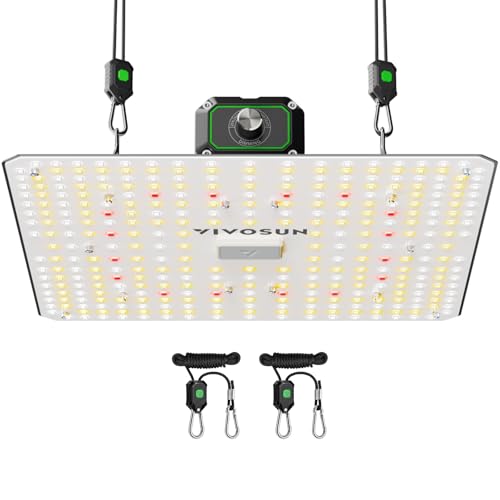
Optimized Full Spectrum: With white, blue, red and far-red LEDs (3000K, 5000K, 660nm and 730nm), this grow light provides full-spectrum illumination to support photosynthesis from seedling to harvest; It speeds up flowering time and increases yields
Techniques for Increasing Sun Exposure
- Pruning: Trim excess foliage to allow more sunlight to reach the lower leaves and fruits.
- Staking: Use stakes or cages to support plants and position them for maximum sun exposure.
- Reflective Mulch: Place reflective mulch around plants to bounce sunlight onto lower foliage.
- Container Gardening: Move containers strategically throughout the day to capture optimal sunlight.
- Shade Cloth: Install shade cloth over tomato plants during peak sunlight hours to reduce intensity.
- Water Management: Ensure adequate watering in hot weather to prevent heat stress on plants.
- Sunscreen Spray: Apply a protective spray on tomatoes exposed to intense sunlight to avoid sun damage.
- Adjust Timing: Schedule outdoor activities like watering or pruning during less intense sunlight periods.
By implementing these strategies, you can enhance your tomato plants’ access to sunlight, promoting healthy growth and abundant fruit production.
Common Challenges and Mitigation
Dealing with potential issues related to sunlight exposure is crucial for successful tomato cultivation. Here are some common challenges you may encounter and effective ways to address them:
Tomato Plant Sunburn and Its Prevention
Tomato plants are susceptible to sunburn, especially during hot summer days. Sunburn manifests as white or yellow spots on the leaves, causing damage to the plant’s ability to photosynthesize effectively. To prevent sunburn:
- Provide Shade: Shield your tomato plants during peak sunlight hours by using shade cloth or planting taller crops nearby to create natural shade.
- Water Management: Ensure adequate watering practices to keep the plants hydrated and resilient against excessive heat.
- Sunscreen Spray: Consider using a protective spray specifically designed for plants to reduce the impact of intense sunlight.
Adjusting to Changing Sunlight Conditions
As seasons change, so do sunlight patterns. To help your tomato plants adapt effectively:
- Pruning: Regularly prune your plants to maintain optimal foliage density, allowing better light penetration.
- Staking: Use stakes or cages for support, ensuring proper plant alignment for maximum sun exposure.
- Reflective Mulch: Utilize reflective mulch around the base of your plants to redirect sunlight towards lower leaves.
By implementing these strategies, you can mitigate the challenges associated with sunlight exposure and ensure healthy growth and abundant fruit production in your tomato garden.
Conclusion
Ensuring your tomato plants receive adequate sunlight is crucial for their growth and fruit development. By understanding the sunlight requirements at various stages of growth and implementing techniques like pruning, staking, and proper water management, you can optimize their exposure to sunlight. Overcoming challenges such as sunburn prevention through shading and using sunscreen spray will help maintain plant health. Adapting to changing sunlight conditions by adjusting pruning methods, staking techniques, and incorporating reflective mulch can further enhance your tomato plants’ productivity. With these strategies in place, your tomatoes are set to thrive, resulting in robust growth and bountiful fruit yields. Remember, a little extra attention to sunlight can make a significant difference in the success of your tomato cultivation journey!
Frequently Asked Questions
Why is sunlight important in tomato cultivation?
Sunlight is crucial for photosynthesis, a process where plants convert light energy into food. It promotes fruit development and enhances overall plant growth.
What are the sunlight requirements for tomatoes at different growth stages?
Tomatoes need full sun exposure, ideally 6-8 hours daily, during key growth phases like flowering and fruit setting to ensure healthy development.
How can I maximize sunlight exposure for my tomato plants?
Pruning excess foliage, staking tall varieties, and proper water management can help optimize sunlight penetration to lower plant parts.
How can I prevent sunburn on tomato fruits?
Shielding plants with shade cloth during peak sun hours or using sunscreen sprays specifically designed for plants can protect tomatoes from sunburn.
How do I adapt to changing sunlight conditions in tomato cultivation?
Adapt by adjusting pruning intensity, utilizing stakes or cages for support, and incorporating reflective mulches to redirect light as needed.
