

Have you ever thought about growing your own lettuce but felt unsure about how much space you really need? You’re not alone. Many aspiring gardeners wonder if they have enough room to cultivate this crisp, delicious green.
Whether you’re working with a small balcony or a sprawling backyard, understanding the space requirements for lettuce can make all the difference. This article will guide you through the essentials, helping you make the most of your available area. By the end, you’ll feel confident in your ability to grow fresh lettuce right at home, no matter your space constraints.
Key Takeaways
- Space Requirements Vary by Variety: Different lettuce types require distinct spacing; Romaine and Iceberg need 12-15 inches, while loose-leaf types thrive at 6-8 inches apart.
- Growing Method Matters: Techniques like hydroponics and vertical gardening can optimize space and allow for higher yields, making them suitable for small areas.
- Environmental Factors Influence Growth: Sunlight, temperature, and soil quality play crucial roles in determining how much space you should allocate for lettuce.
- Raised Beds and Containers: Raised beds should be at least 2 feet wide for easy access, while containers should be 6-12 inches deep, depending on the lettuce variety being planted.
- Utilize Companion Planting: Pairing lettuce with fast-growing plants like radishes can maximize space and improve overall garden health.
- Experiment with Vertical Gardening: Utilizing vertical planters can create more growing areas, particularly useful for urban gardens with limited floor space.
Understanding Lettuce Growth Requirements
Lettuce growth depends on several key factors. You can successfully cultivate it in various spaces with the right knowledge.
Types of Lettuce
Lettuce varieties differ in growth habits and space needs. Here are some common types:
- Romaine: Requires about 12 inches between each plant for optimal growth.
- Iceberg: Needs 12-15 inches apart. It forms larger heads and requires more room.
- Butterhead: Prefers 10-12 inches between plants for compact growth.
- Loose-leaf: Can grow closer together, about 6-8 inches apart, allowing for higher yields in small spaces.
Consider the type of lettuce you’re growing when determining available space.
Factors Affecting Growth Space
Several factors influence how much space you need for growing lettuce:
- Variety: Different lettuce types require different spacing.
- Growing Method: Hydroponics and vertical gardening can reduce space needs.
- Environmental Conditions: Factors like sunlight, temperature, and soil quality affect growth. Better conditions can lead to denser planting.
- Fertilization: Nutrient availability impacts plant size and spacing. Ensure adequate nutrients for optimal growth.
Understanding these factors aids in determining the appropriate space for your lettuce garden.
Space Requirements for Different Varieties
Understanding the space requirements for different lettuce varieties helps you plan your garden efficiently. Each type has specific needs that impact how much room you should allocate.
Recommended Products

Precise Planting Measurement: The foldable plant ruler is designed to provide precise measurements for seed spacing, ensuring optimal growth for a variety of vegetables including carrots, tomatoes, peas, potatoes, and cabbage.
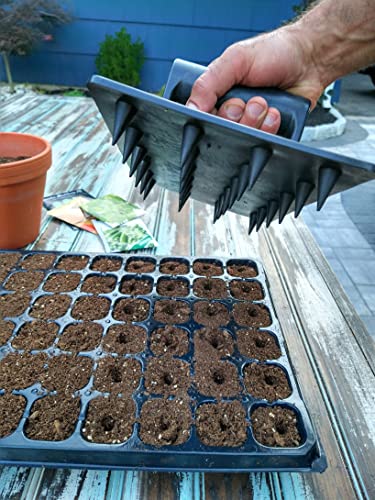
Efficiently start seeds indoors by creating perfect planting holes in 72-cell seed trays

Precise Spacing for Better Growth - This seed spacers planting tool helps you mark evenly spaced seed positions and straight planting rows, giving plants more consistent room to grow while improving garden organization and reducing guesswork.
Head Lettuce
Head lettuce, including varieties like Iceberg and Romaine, grows in compact forms. Space each plant 12 to 15 inches apart. This spacing allows ample airflow and light penetration, crucial for healthy development. In a garden bed, you can fit fewer of these compared to loose-leaf varieties, but the reward is crisp, firm heads.
Leaf Lettuce
Leaf lettuce, such as Butterhead and Loose-leaf, requires less space. Space these plants about 6 to 12 inches apart. This closer spacing promotes a lush canopy of leaves, ideal for salads. If you’re considering continuous harvests, thin out seedlings as they grow, ensuring each plant gets enough room to flourish.
By tailoring your layout to the specific varieties, you’ll maximize your yield while ensuring healthy growth.
Growing Lettuce in Different Settings
Growing lettuce successfully depends on the setting you choose. You can cultivate lettuce in raised beds or containers, each method having its own advantages and space requirements.
Recommended Products
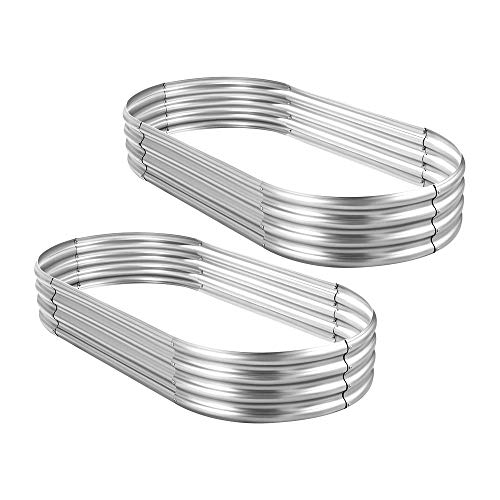
Each raised metal garden bed size: 4×2×1ft , 7Cu
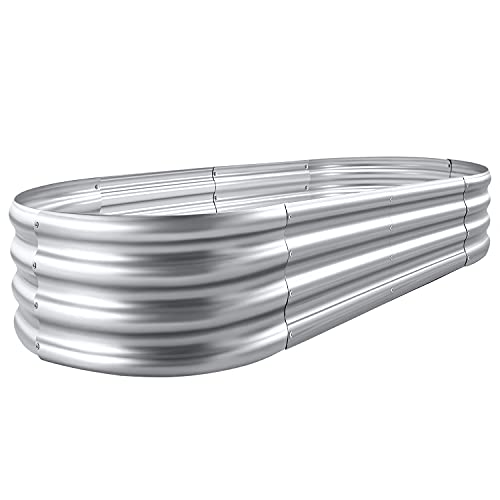

Raised Beds
Raised beds offer excellent drainage and soil quality, making them ideal for lettuce. Space requirements vary by variety. For head lettuce like Iceberg and Romaine, you should space plants 12 to 15 inches apart. Leaf lettuce like Butterhead and Loose-leaf thrives with 6 to 12 inches of spacing.
Consider building a raised bed that’s at least 2 feet wide. This width ensures you can easily reach the center for maintenance. Length can vary, but 4 to 8 feet works well. Fill the bed with a nutrient-rich soil mix, ensuring it’s at least 12 inches deep. This depth provides ample room for root development.
Containers
Containers are a versatile option for limited spaces, such as balconies and patios. Select pots that are at least 6 to 12 inches deep. For head lettuce, use containers that allow for 12 to 15 inches between plants. Leaf varieties can be planted more closely, at about 6 to 12 inches apart.
Opt for lightweight pots for easy movement. Ensure containers have drainage holes to prevent waterlogging. Use a potting mix designed for vegetables to provide the necessary nutrients. Regularly monitor moisture levels, as containers can dry out quicker than garden beds.
Experiment with different containers to find what best suits your space and style, from traditional terracotta pots to modern fabric planters.
Tips for Efficient Space Utilization
Utilizing space effectively is key to growing lettuce, whether in a small urban garden or a larger backyard. Here are strategies to make the most of your available area.
Recommended Products

Space-Saving : This strawberry planter maximizes your gardening space by stacking 5 layers to grow more plants in a compact area. The strawberry tower planter is ideal for patios, balconies, or indoor use

The GreenStalk system is proud to be designed and manufactured completely in East TN. Made with high quality, BPA-free, UV-resistant plastic with a 5 year warranty

【Multi-Scene Growing Solution】Professional hydroponic tower system for indoor/outdoor/commercial use, featuring corner-friendly design to maximize space efficiency in homes, apartments or greenhouses
Companion Planting
Companion planting helps maximize your growing space by pairing lettuce with other compatible plants. Consider planting lettuce alongside radishes, which grow quickly and can be harvested before the lettuce requires additional room. Also, incorporating herbs like basil can deter pests while boosting growth. Aim for a ratio of 1 herb plant for every 3 lettuce plants to optimize the benefits of companionship without overcrowding.
Vertical Gardening
Vertical gardening allows you to grow lettuce in a limited footprint. Use vertical planters or wall-mounted systems to take advantage of vertical space. Consider a vertical garden tower that holds multiple plants in a small area; these structures can fit on patios or balconies. Ensure each lettuce variety has enough room—typically, allow 6 to 12 inches between plants for adequate airflow. Watering systems can also be integrated into vertical setups, making maintenance easier while enhancing growth.
Conclusion
Growing lettuce can be a rewarding experience no matter how much space you have. By understanding the specific needs of different varieties and experimenting with creative methods like vertical gardening or companion planting, you can make the most of your available area.
Remember that even a small balcony can yield fresh lettuce with the right approach. So go ahead and get started on your lettuce garden. You’ll enjoy the satisfaction of harvesting your own greens while adding beauty to your space. Happy gardening!
Frequently Asked Questions
Can I grow lettuce in a small space?
Yes, you can successfully grow lettuce in small spaces like balconies or patios. Understanding the space requirements for various lettuce types and utilizing efficient gardening methods will help you maximize your available area.
What space does each type of lettuce need?
Different lettuce varieties require different spacing. Head lettuce should be spaced 12 to 15 inches apart, while leaf lettuce can be spaced about 6 to 12 inches apart. Always consider airflow and growth habits when planning your garden.
How can I optimize space for growing lettuce?
To optimize space, consider companion planting, which pairs lettuce with compatible plants like radishes or herbs. Vertical gardening is another effective method, utilizing wall-mounted systems or vertical planters to grow more in limited areas.
What factors influence lettuce growth?
Several factors affect lettuce growth, including the type of lettuce, growing methods (like hydroponics or vertical gardening), environmental conditions (sunlight, temperature, soil quality), and fertilization. Understanding these will help you determine the best practices for your garden.
What are the benefits of container gardening for lettuce?
Container gardening allows you to grow lettuce in limited spaces, such as patios or balconies. It provides better control over soil quality and drainage, and you can easily move containers to optimize sunlight exposure.
How often should I water my lettuce?
Lettuce requires consistent moisture, so water it regularly. Check the top inch of soil; if it feels dry, it’s time to water. Be careful not to overwater, as soggy soil can lead to root rot.
