

Have you ever wondered how much soil you need to grow delicious, crisp lettuce? Whether you’re a seasoned gardener or just starting out, knowing the right amount of soil can make all the difference in your harvest.
Imagine planting your seeds only to find that they struggle to thrive in too little soil or drown in too much. This article will guide you through the essentials of soil requirements for lettuce, helping you create the perfect environment for your greens. By the end, you’ll feel confident in your gardening skills and ready to enjoy homegrown lettuce all season long.
Key Takeaways
- Soil Volume is Crucial: Lettuce requires a minimum of 6 to 12 inches of soil depth, depending on the variety and growing method to ensure healthy growth and nutrient absorption.
- Key Nutrients Needed: Essential nutrients for lettuce include nitrogen for leafy growth, phosphorus for root development, and potassium for plant health. A balanced fertilizer specific to leafy greens can enhance growth.
- Soil Type Matters: The best soil for growing lettuce is loamy, well-drained, nutrient-rich, and has a pH level between 6.0 and 7.0 to optimize nutrient availability.
- Avoid Overcrowding: Space plants adequately (6 to 12 inches apart) to prevent competition for resources, which is crucial for maintaining growth and health.
- Regular Soil Testing: Conduct periodic soil tests to monitor pH and nutrient levels, allowing for timely amendments and ensuring optimal conditions for lettuce growth.
- Select Appropriate Growing Methods: Techniques such as raised beds or containers can influence soil volume and quality, making it easier to control growing conditions for lettuce.
Understanding Lettuce Growth Requirements
Growing healthy lettuce starts with understanding its growth requirements, including soil type and nutrients. The right soil creates an ideal environment for your lettuce to flourish.
Recommended Products
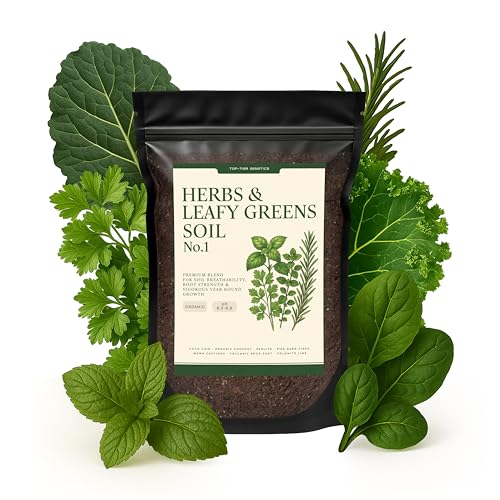
✔ VERSATILE BLEND: Premium potting mix specifically formulated for growing herbs and leafy greens indoors with optimal drainage and aeration
✔ VERSATILE BLEND: Premium potting mix specifically formulated for growing herbs and leafy greens indoors with optimal drainage and aeration
Importance of Soil in Plant Growth
Soil plays a vital role in plant growth. It provides stability, water retention, and a medium for roots to expand. Additionally, soil influences how nutrients are absorbed. Choosing well-draining, nutrient-rich soil helps prevent issues like root rot and nutrient deficiencies. Techniques such as raised beds or container gardening can enhance soil control, making it easier to maintain optimal conditions.
Key Nutrients for Lettuce
Lettuce requires specific nutrients for robust growth. Key nutrients include:
- Nitrogen: Promotes leafy growth. You’ll often notice yellower leaves when plants lack nitrogen.
- Phosphorus: Supports root development. A healthy root system ensures better water and nutrient uptake.
- Potassium: Enhances overall plant health and resistance to diseases. Insufficient potassium can result in weak, leggy plants.
For best results, consider using a balanced fertilizer specifically formulated for leafy greens. Aim for a soil pH between 6.0 and 7.0 to ensure nutrient availability. Regularly testing soil can help maintain these conditions, allowing your lettuce to thrive.
Determining Soil Volume for Lettuce
Understanding the soil volume needed for lettuce helps ensure healthy plant growth. Getting it right influences nutrient absorption, water retention, and overall plant vigor.
Recommended Products

Ready-to-Use Formula: No mixing or extra steps required. Simply pour and plant - perfect for gardeners of all experience levels.

Optimized for Raised Beds: True Organic Raised Bed Food is specially designed to support abundant growth of herbs, flowers, vegetables, and fruits in raised beds and large containers.

High-Quality PE Material with Drainage Hole: Crafted from durable and flexible PE material, these grow bags are built to withstand outdoor conditions without cracking. The bottom drainage hole provides essential airflow to roots and prevent overwatering and root rot, ensuring your plants thrive in a well-aerated environment.
Factors Influencing Soil Quantity
- Lettuce Variety: Different lettuce types, such as butterhead or romaine, require varying soil depths. For example, deep-rooted varieties benefit from at least 12 inches of soil, while smaller types can thrive in 6 to 8 inches.
- Growing Method: Techniques such as raised beds or containers affect soil volume. Raised beds typically need a minimum of 12 inches, while containers might only need 8 to 10 inches, depending on the size.
- Plant Density: The more plants you intend to grow, the more soil you’ll require. Space factors like 1 square foot per lettuce plant usually holds enough soil to support growth.
- Soil Composition: Soil type also plays a role. Loamy soil with good drainage retains moisture well, reducing the volume necessary for optimal growth compared to sandy or clay soils.
Calculating Soil Volume for Different Varieties
Calculating soil volume for your lettuce garden involves measuring the planting area and determining the soil depth.
- Measure Area: Start by measuring the length and width of your planting area. For example, a 3-foot by 3-foot square will have an area of 9 square feet.
- Determine Depth: Choose the appropriate depth based on your lettuce variety. For a common butterhead variety needing 12 inches of soil, convert that to feet, which is 1 foot.
- Calculate Volume: Multiply the area by soil depth. Using the earlier example:
- Area = 9 square feet
- Depth = 1 foot
- Volume = 9 square feet × 1 foot = 9 cubic feet.
- Adjust for Other Factors: If using containers, consider their dimensions. A 5-gallon container generally needs 0.67 cubic feet of soil, suitable for one to two lettuce plants.
By following these guidelines, you can accurately determine how much soil to use for your lettuce, paving the way for a thriving garden.
Types of Soil Suitable for Lettuce
Lettuce thrives in specific soil types that support its growth and nutrient requirements. Understanding the characteristics of suitable soil and the differences between organic and artificial soil helps you create the ideal environment for your plants.
Recommended Products

INDOOR GROWING: Growing indoors is easy under the right conditions; Miracle-Gro Houseplant Potting Mix is an indoor plant potting soil that combines key elements container plants need to thrive

100% Natural: Special custom blend for olive trees in containers

【Optimal Seedling Growth】Our premium seed starting mix is specially formulated to provide the ideal environment for seed germination and early growth, ensuring strong and healthy seedlings
Characteristics of Ideal Soil
Ideal soil for lettuce should possess the following characteristics:
- Loamy Texture: Loamy soil combines sand, silt, and clay, providing good structure for drainage and moisture retention.
- Well-drained: Excellent drainage prevents waterlogging, which can lead to root rot.
- Nutrient-rich: Soil should be rich in organic matter, ensuring sufficient nutrients for healthy growth.
- pH Level: Aim for a pH between 6.0 and 7.0 to promote nutrient availability.
- Aeration: Soil that is light and fluffy allows roots to breathe and expand easily.
Selecting soil that meets these criteria ensures your lettuce grows robustly.
Benefits of Organic vs Artificial Soil
Choosing between organic and artificial soil impacts your gardening experience and lettuce growth.
- Organic Soil:
- Natural Nutrients: Organic soil contains beneficial microorganisms that help break down nutrients.
- Sustainability: Using organic materials reduces chemical use and enhances soil health over time.
- Water Retention: Organic matter improves water retention, providing a stable moisture supply.
- Artificial Soil:
- Controlled Composition: Artificial soil often has a specific nutrient profile, allowing for precise nutrient management.
- Consistency: It provides uniform texture and drainage, minimizing the risk of uneven growth.
- Supplementation: Some artificial soils come pre-fortified with fertilizers, simplifying the feeding process.
Both soil types have advantages. Your choice depends on personal gardening goals and preferences.
Common Mistakes in Soil Preparation
Proper soil preparation is crucial for growing healthy lettuce. Understanding common mistakes can help you avoid pitfalls that hinder growth.
Overcrowding and Soil Constraints
Overcrowding lettuce plants limits their access to soil resources. When you plant too closely, roots compete for nutrients, water, and space. Each lettuce plant typically needs an area of at least 6 to 12 inches, depending on the variety. For example, Butterhead requires more space than Romaine. Following spacing guidelines ensures roots can expand and access essential elements in the soil.
Using a suitable soil volume is also vital. If the soil depth is insufficient, roots can’t grow properly. Aim for at least 6 inches of soil for small varieties and 12 inches for larger ones. Check your planting plan to avoid packing in too many plants too tightly.
Ignoring Soil Quality
Ignoring soil quality creates long-lasting issues that affect lettuce growth. Using soil that lacks organic matter or is too compact can impede root development. Ideal soil should be loamy, well-drained, and rich in nutrients. Testing pH levels should show a range between 6.0 and 7.0. You can improve soil quality by mixing in organic compost or well-rotted manure.
Neglecting regular soil testing can lead to nutrient deficiencies. Fertilizers can help, but knowing what your soil specifically needs ensures optimal growth. Monitor soil quality throughout the growing season to maintain healthy plants.
Conclusion
Growing lettuce successfully starts with understanding your soil needs. By providing the right amount and type of soil you can create the perfect environment for your plants. Remember to consider factors like lettuce variety and growing method to determine how much soil you’ll need.
Don’t forget to check the soil quality and maintain that ideal pH level. With a bit of care and attention to these details you’ll be well on your way to enjoying a bountiful harvest of fresh lettuce. Happy gardening!
Frequently Asked Questions
What type of soil is best for growing lettuce?
Ideal soil for lettuce is loamy, well-drained, nutrient-rich, and has a pH level between 6.0 and 7.0. This type of soil ensures that lettuce roots can access nutrients and water effectively, promoting healthy plant growth.
How much soil do I need for lettuce?
The amount of soil needed depends on the lettuce variety and growing method. Deep-rooted varieties need at least 12 inches of soil, while smaller types can thrive in 6 to 8 inches. Ensure proper soil volume for optimal growth.
Can I use organic soil for lettuce?
Yes, organic soil is beneficial for lettuce because it provides natural nutrients and enhances soil structure. It promotes sustainability and improves overall plant health, making it a great choice for gardeners.
What are common mistakes when preparing soil for lettuce?
Common errors include overcrowding plants and using poor-quality soil lacking organic matter. Overcrowding limits nutrient access, while compact soil can hinder root development. Regular soil testing can help avoid these issues.
How does soil affect lettuce growth?
Soil provides stability, water retention, and a medium for root expansion. It influences nutrient absorption crucial for robust lettuce growth. Proper soil type and condition are essential for healthy plant development.
