

Ever wondered how much potassium is packed in that crisp cup of romaine lettuce? You’re not alone! Many people are curious about the nutritional benefits of their favorite greens, especially when it comes to essential minerals like potassium.
Key Takeaways
- Potassium Content: One cup of romaine lettuce contains approximately 247 mg of potassium, contributing about 5% of the recommended daily intake for adults.
- Essential Nutrients: In addition to potassium, romaine is rich in vitamin A, vitamin K, vitamin C, and folate, supporting various aspects of health, including vision and immune function.
- Hydration and Digestion: The high water content of romaine lettuce aids in hydration, while its fiber content promotes healthy digestion and helps prevent constipation.
- Heart Health Benefits: Consuming potassium-rich foods like romaine can support cardiovascular health by helping to manage blood pressure levels.
- Storage and Preparation Impact: Proper storage and preparation methods are important to maintain romaine’s potassium levels; avoid prolonged soaking and exposure to light and heat.
- Diverse Dietary Sources: For optimal potassium intake, include a variety of foods in your diet, such as fruits, vegetables, legumes, nuts, and seeds.
Nutritional Overview Of Romaine Lettuce
Romaine lettuce offers a range of essential nutrients that support overall health. Its low-calorie count and high water content make it a popular choice for salads and snacks.
Key Nutrients In Romaine Lettuce
- Potassium: One cup of romaine lettuce contains approximately 247 mg of potassium. This mineral helps regulate blood pressure and balance fluids in your body.
- Vitamin A: This leafy green provides about 81% of your daily recommended intake of vitamin A. Vitamin A plays a crucial role in maintaining healthy vision and skin.
- Vitamin K: You can find around 71% of your daily vitamin K needs in a cup of romaine. This vitamin is important for blood clotting and bone health.
- Vitamin C: One cup contains about 17% of what you need daily. Vitamin C boosts your immune system and aids in collagen production.
- Folate: Romaine delivers around 19% of your daily folate requirement. Folate is essential for DNA synthesis and repair.
- Supports Hydration: With its high water content, romaine helps keep you hydrated, especially in warmer months.
- Aids Digestion: The fiber in romaine promotes healthy digestion. Fiber adds bulk to your stool and prevents constipation.
- Weight Management: Low in calories and high in volume, romaine can help you feel full without consuming excess calories. It’s a great addition to salads and wraps.
- Boosts Heart Health: The potassium in romaine supports cardiovascular health by helping to manage blood pressure levels.
- Enhances Vision: High levels of vitamin A contribute to better eye health. Regular consumption may reduce the risk of age-related eye diseases.
Romaine lettuce is a nutritious addition to your diet, providing vital minerals and vitamins that support your overall health.
Potassium Content In Romaine Lettuce
Romaine lettuce is a valuable source of potassium. One cup of raw romaine contains approximately 247 mg of potassium. This essential mineral plays a crucial role in various bodily functions, including maintaining healthy blood pressure levels.
Recommended Products

MADE FROM REAL WHOLE FOODS. Country Farms Super Greens Veggie Capsules are derived from real vegetables, berries, grasses, algae, seaweed and mushrooms. These whole foods are the best that Mother Nature provides for natural goodness but are delivered with the convenience of easy-to-swallow vegetarian capsules.

𝗖𝗘𝗥𝗧𝗜𝗙𝗜𝗘𝗗 𝗢𝗥𝗚𝗔𝗡𝗜𝗖 - These phytonutrient-dense vegetable pills are made with a proprietary blend of 11 organic freeze-dried ingredients, which includes 6 powerhouse cruciferous vegetables that are all packed into an easy to swallow superfood tablet. Includes 90 tablets.

𝟱𝟬𝟬 𝗠𝗚 𝗣𝗢𝗧𝗔𝗦𝗦𝗜𝗨𝗠: Provides 500 mg potassium per serving—significantly higher than typical 99 mg supplements—to help support muscle function, nerve signaling, and daily potassium intake.*
How Much Potassium In 1 Cup Of Romaine Lettuce
In one cup of shredded romaine lettuce, you get around 247 mg of potassium. This amount represents about 5% of the recommended daily intake for adults. Consuming potassium-rich foods like romaine can support heart health, muscle function, and nerve signaling.
Comparison With Other Vegetables
When comparing potassium content in romaine lettuce with other vegetables, the values can vary significantly.
| Vegetable | Potassium Content (mg per 1 cup) |
|---|---|
| Romaine Lettuce | 247 |
| Spinach | 839 |
| Kale | 329 |
| Swiss Chard | 961 |
| Broccoli | 457 |
As shown, spinach and Swiss chard lead in potassium content, offering more than double the amount found in romaine. Including a variety of leafy greens ensures adequate potassium intake while enhancing your meal’s nutritional profile.
Factors Affecting Potassium Levels
Several factors influence the potassium content in romaine lettuce. Understanding these variables can help you maximize the nutritional value of your greens.
Growing Conditions
Growing conditions significantly impact potassium levels. Lettuce grown in nutrient-rich soil typically contains more potassium. Soil quality, pH, and organic matter contribute to nutrient availability. Additionally, factors such as climate, temperature, and water supply can affect nutrient uptake. Lettuce cultivated with proper irrigation practices often absorbs more potassium. For example, hydroponic systems can yield higher potassium levels due to controlled nutrient applications.
Storage and Preparation Methods
Storage and preparation methods also affect potassium retention. Fresh romaine lettuce stored in a cool, dark place maintains its potassium content longer. Exposure to light and heat can degrade essential nutrients. When preparing lettuce, avoid prolonged soaking in water, as this can leach out potassium. Rinsing briefly under cold water before consumption ensures cleanliness without significant nutrient loss. Eating raw or lightly steamed romaine keeps potassium levels intact.
Recommended Daily Intake of Potassium
The recommended daily intake of potassium plays a crucial role in maintaining overall health. For adults, the daily intake is around 2,500 to 3,000 mg. This amount supports vital functions, including nerve signaling and muscle contraction.
Recommended Products
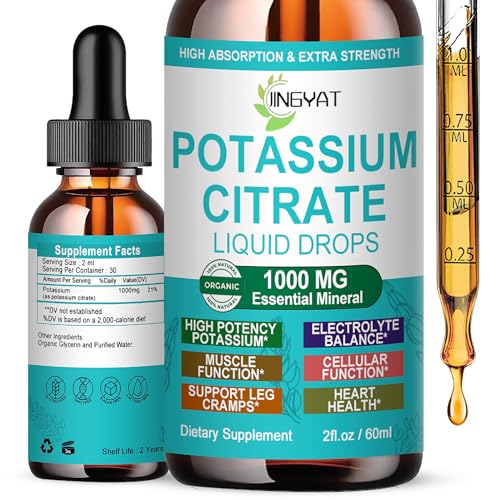
WHY OUR POTASSIUM CITRATE SUPPLEMENT? Support your electrolyte balance, muscle function, and pH health with our high-potency Potassium Citrate Liquid Drops—delivering 1000mg of potassium in a fast-absorbing, easy-to-take formula. Designed for women and men seeking clean, plant-based support, our liquid potassium promotes healthy hydration, and kidney wellness.* With no fillers or artificial additives, it’s a convenient way to help maintain key mineral levels and support your active lifestyle.*

【No More Cr★mps, Hydrated Energy】Neviss potassium magnesium supplement deliver a high-potency 1000mg of potassium citrate per serving to support optimal body contraction and relaxation. This essential mineral helps prevent crḁmps, promotes recovery after a workout, and plays a vital role in maintaining healthy hydration levels. Ideal for active lifestyles or those dealing with occasional workout fatigue, it helps reduce leg discomfort and maintain fluid balance.

Heart health support supplement: contains one 100 count bottle of Nature Made Potassium Gluconate 550 mg Tablets for a 100-day supply
Importance of Potassium In Your Diet
Potassium balances fluids, regulates blood pressure, and supports cellular function. Adequate intake reduces the risk of heart disease and stroke. It also promotes healthy muscle and digestive system function. Without sufficient potassium, you might experience weakness, cramping, or irregular heart rhythms.
Sources of Dietary Potassium
Various foods provide significant potassium levels:
- Fruits: Bananas (422 mg per medium banana), oranges (237 mg per medium orange), and avocados (975 mg per fruit).
- Vegetables: Spinach (839 mg per cup, cooked), sweet potatoes (950 mg per medium potato), and tomatoes (292 mg per medium tomato).
- Legumes: Lentils (731 mg per cup, cooked) and kidney beans (607 mg per cup, cooked).
- Nuts and Seeds: Almonds (200 mg per ounce) and sunflower seeds (273 mg per ounce).
Including a diverse range of these sources can help meet your potassium goals while boosting overall nutrition.
Conclusion
Romaine lettuce is more than just a crunchy addition to your salads. With about 247 mg of potassium per cup it plays a key role in keeping your body healthy. This leafy green not only supports heart health and digestion but also helps you stay hydrated.
Incorporating a variety of vegetables into your meals will ensure you’re getting enough potassium and other essential nutrients. So next time you reach for that romaine lettuce think about all the benefits it brings to your plate and your health. Enjoy it fresh crisp and full of flavor as part of a balanced diet.
Frequently Asked Questions
What are the nutritional benefits of romaine lettuce?
Romaine lettuce is packed with essential nutrients. One cup contains about 247 mg of potassium, which helps regulate blood pressure. It also provides significant amounts of vitamin A, vitamin K, vitamin C, and folate, supporting hydration, digestion, heart health, and vision.
How much potassium is in romaine lettuce?
One cup of romaine lettuce provides approximately 247 mg of potassium, which accounts for about 5% of the recommended daily intake for adults. This nutrient is vital for many body functions, including nerve signaling and muscle contraction.
How does romaine lettuce compare to other greens in potassium content?
Compared to other leafy greens, romaine lettuce has lower potassium levels. For instance, spinach has 839 mg, kale has 329 mg, Swiss chard has 961 mg, and broccoli contains 457 mg per cup. Including a variety of these greens is important for sufficient potassium intake.
What factors affect the potassium content in romaine lettuce?
The potassium levels in romaine lettuce are influenced by growing conditions such as soil quality, pH, and irrigation practices. Lettuce grown in nutrient-rich soil and optimal conditions typically has higher potassium content.
How should I store and prepare romaine lettuce to preserve its nutrients?
To preserve the nutritional content of romaine lettuce, store it in a cool, dark place and avoid excessive soaking. Minimal preparation helps retain potassium and other essential nutrients for health benefits.
What is the recommended daily intake of potassium for adults?
The recommended daily intake of potassium for adults ranges from 2,500 to 3,000 mg. Adequate potassium supports vital functions, helps regulate blood pressure, and reduces the risk of heart disease and stroke.
What other foods are good sources of potassium?
In addition to romaine lettuce, potassium-rich foods include fruits like bananas and avocados, vegetables such as sweet potatoes and spinach, legumes like lentils, and nuts and seeds. Including a variety of these foods can help meet your potassium needs.
