

Have you ever wondered why your lettuce isn’t growing as lush and vibrant as you hoped? Light plays a crucial role in the health of your plants, and understanding how much your lettuce needs can make all the difference.
Key Takeaways
- Optimal Light Duration: Lettuce requires 12 to 16 hours of bright light each day for robust growth and flavor.
- Light Conditions: Bright, indirect light is ideal; south-facing windows are great for indoor growth, while outdoor plants benefit from filtered sunlight.
- Temperature Awareness: Maintain temperatures between 60°F and 70°F to prevent bolting and promote healthy development.
- Watering and Soil Quality: Consistent moisture and well-draining, nutrient-rich soil are essential for strong root systems and overall plant vitality.
- Light Intensity Effects: Insufficient light can result in leggy, weak plants and reduced flavor; monitoring light intensity is crucial for healthy lettuce.
- Variety Considerations: Different lettuce types have varying light needs, so understanding the specific requirements for each variety can enhance growth and taste.
Understanding Lettuce Growth
Lettuce growth hinges on several crucial factors. Recognizing these can help you cultivate healthier plants and maximize harvests.
Key Factors Affecting Growth
- Light Intensity: Lettuce thrives with 12 to 16 hours of bright light each day. Insufficient intensity leads to leggy plants with poor flavor.
- Temperature: Optimal growth occurs between 60°F and 70°F. Temperatures above 75°F can cause bolting, which prematurely terminates growth.
- Watering: Consistent moisture is vital. Aim for soil that’s damp but not waterlogged to promote healthy root systems.
- Soil Quality: Well-draining, nutrient-rich soil supports robust growth. Consider adding compost for added nutrients.
- Spacing: Proper spacing between plants allows for adequate air circulation, reducing the risk of fungal diseases.
Importance of Light in Plant Development
Light is a key driver in photosynthesis, allowing lettuce to produce the energy needed for growth. Insufficient light may result in weak, elongated plants. Providing adequate light helps to develop deeper colors and enhances flavors in your lettuce. Use grow lights if growing indoors or in shaded areas to ensure your plants receive the necessary light spectrum.
Types of Lettuce
Lettuce varieties vary significantly in flavor, texture, and appearance, affecting their light needs. Understanding these differences helps in providing the right care for each type.
Leaf Lettuce Varieties
Leaf lettuce varieties are characterized by their loose, leafy structure. Common types include:
- Butterhead: Known for its tender, buttery flavor. Varieties like ‘Buttercrunch’ thrive in bright, indirect light.
- Romaine: Crisp and sturdy, with a slightly nutty taste. It prefers full sun exposure for optimal growth.
- Looseleaf: This category includes types like ‘Red Leaf’ and ‘Green Leaf.’ They flourish with 12-14 hours of light each day.
These varieties are generally more forgiving of light conditions, but ensuring enough light can enhance flavor and leaf quality.
Head Lettuce Varieties
Head lettuce varieties form compact heads and have a distinct crunch. Key examples include:
- Iceberg: Popular for its crunch and mild flavor. Iceberg lettuce requires full sun for best results.
- Crisphead: Similar to Iceberg but may have different growth patterns. Crisphead types need around 14-16 hours of bright light daily.
- Buttercrunch: Hybrid of leaf and head types, offering a sweet flavor. It appreciates consistent light exposure to develop its unique taste and texture.
Head lettuce generally demands more specific light conditions to ensure dense, firm heads. Consistent light contributes to better flavor and overall growth.
How Much Light Does Lettuce Need
Lettuce thrives on specific light conditions to grow strong and flavorful. Understanding these needs helps you cultivate healthy plants.
Recommended Products

Full Spectrum Grow Light: Our plant light is equipped with 108 high-quality LED beads. This advanced lighting solution incorporates 60 cold white LEDs, 32 warm white LEDs, and 16 red LEDs, creating an optimal environment with precise wavelengths for seedlings, flowers, and vegetables. Your plants will thrive under its nurturing glow, ensuring health and vitality at every growth stage.

【8.6'' Light Strip and 52 Full Spectrum LEDs】The Grow Light has 52 LEDs and each light bar has 26pcs 3500K LEDs. High quality LEDs help plants grow with high light efficiency, high PPFD, low heat and longer lifespan. Indoor plant light emits all wavelengths from 380nm to 800nm, simulating natural sunlight to more effectively promote the growth of indoor plants.
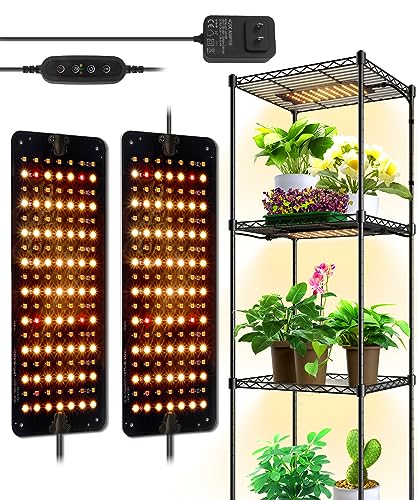
Full Spectrum Grow Light Panel: Barrina grow light Panel 1ft provide indoor plants with full-spectrum sunlight replacement. We provide the most reasonable grow light wave based on the ratio of the absorption of the plant. Consuming only 20W with 252 LEDs totally, replace 120W general plant lights. Over 95% light energy can be absorbed by plants. It is a great option for plants that in seed starting, vegetative and flowering cycle
Ideal Light Conditions
Bright, indirect light is best for lettuce. If you grow it indoors, place your plants near a window that receives plenty of sunlight. South-facing windows provide the most light. For outdoor growth, choose a location that gets filtered sunlight, especially during peak afternoon hours. Use shade cloth if the sunlight becomes too intense, as excessive heat can stress the plants.
Light Duration and Intensity
Lettuce needs 12 to 16 hours of light daily. If natural light isn’t sufficient, consider using grow lights. LED grow lights are energy-efficient and can be adjusted to deliver the right spectrum for growth. Set your grow lights about 6 to 12 inches above the plants, and maintain this distance as your lettuce grows. Monitor the light intensity; a light meter can help ensure optimal conditions. Remember, insufficient light can lead to leggy growth and decreased flavor, so ensure your plants receive adequate illumination throughout their growth cycle.
Effects of Insufficient Light
Insufficient light negatively impacts lettuce growth, leading to several issues that affect plant health and flavor.
Growth Issues
Lettuce in low light environments grows slowly and becomes leggy. Leggy plants develop elongated stems and sparse leaves, as they stretch toward the nearest light source. This not only affects their aesthetics but also reduces yield. Furthermore, weak stems can cause the plants to topple over easily, hindering growth and harvest. Providing proper light ensures that lettuce remains sturdy, compact, and ready for harvest.
Nutritional Deficiencies
Lettuce deprived of adequate light often exhibits nutritional deficiencies. Chlorophyll production diminishes in low-light conditions, resulting in pale or yellowish leaves. This color change signifies a lack of essential nutrients, particularly nitrogen. If insufficient light persists, you may notice a decline in the plant’s overall flavor, as stressed plants often produce fewer sugars. Maintaining proper light levels helps ensure your lettuce remains vibrant, nutritious, and flavorful.
Tips for Providing the Right Light
Providing the right light for lettuce is essential to ensure healthy growth and flavor. Here are some effective ways to achieve optimal lighting.
Recommended Products

🌻Efficient LED Combination: This LED lamp has grow lights made up of 80 efficient growing LEDs ( 32 red lights, 12 blue lights,20 yellow lights and 16 white lights). It meets the conditions of plant growth without sunlight. 1--Full Spectrum(380nm-800nm): Suitable for all plants to root and sprout. 2--Red(660nm)+BLUE(460nm) Spectrum: for blooming and fruits. 3--Red+Blue+Full Spectrum: A mix of Red+Blue+Warm White is best to fuel the growth of your plants.

5000K White Full Spectrum Light: Barrina T5 grow lights 1ft provide indoor plants with full-spectrum sunlight replacement. We provide the most reasonable grow light wave based on the ratio of the absorption of the plant

【Upgrade 96 Full Spectrum LEDs】The Grow Light has 96 LEDs and each light bar has 48pcs 3500K LEDs. High quality LEDs help plants grow with high light efficiency, high PPFD, low heat and longer lifespan. Indoor plant light emits all wavelengths from 380nm to 800nm, simulating natural sunlight to more effectively promote the growth of indoor plants.
Using Natural Light
Place your lettuce near south-facing windows to maximize exposure to natural light. This orientation captures the most sunlight during the day. Ensure that plants receive 12 to 16 hours of bright light daily. If you grow lettuce outdoors, pick spots with filtered sunlight, especially during hot afternoons. Use shade cloth to protect plants from harsh rays, helping to maintain a suitable temperature.
Artificial Lighting Options
Choose energy-efficient LED grow lights if natural light falls short. Select lights that provide the full spectrum needed for optimal plant growth. Position your grow lights about 6 to 12 inches above the plants. Adjust the height as they grow to maintain proper light intensity. Set a timer to ensure your lettuce gets consistent lighting for 12 to 16 hours daily. Regularly check the light’s distance and intensity to prevent leggy growth and maintain flavor.
Conclusion
Getting the right amount of light for your lettuce is key to growing healthy and delicious plants. By providing 12 to 16 hours of bright light each day you can ensure your lettuce thrives. Whether you’re using natural sunlight or grow lights make sure to monitor their intensity and adjust as needed.
Don’t forget to consider the specific needs of different lettuce varieties. Each type has its own preferences that can affect flavor and growth. With a little attention to detail you’ll be well on your way to enjoying a bountiful harvest of vibrant and tasty lettuce right from your garden or kitchen. Happy growing!
Frequently Asked Questions
How much light do lettuce plants need for optimal growth?
Lettuce plants thrive with 12 to 16 hours of bright, indirect light each day. Providing this amount of light ensures healthy growth, vibrant color, and enhanced flavor.
What temperature is best for growing lettuce?
The ideal temperature for growing lettuce is between 60°F and 70°F. Maintaining this temperature range helps promote strong growth and prevents stress on the plants.
Can I grow lettuce indoors?
Yes, lettuce can be successfully grown indoors. Place it near south-facing windows to maximize natural light, and consider using energy-efficient LED grow lights if more light is needed.
What happens if lettuce doesn’t get enough light?
Insufficient light can lead to slow growth and leggy plants with elongated stems and sparse leaves. It may also reduce yield and impact nutritional quality and flavor.
How does light affect lettuce flavor?
Light is essential for photosynthesis, which produces energy and sugars in plants. Adequate light enhances the flavor of lettuce, resulting in more delicious and nutritious leaves.
What type of lettuce is best suited for less light?
Leaf lettuce varieties like Butterhead, Romaine, and Looseleaf are more forgiving in lower light conditions, but they still benefit from adequate exposure to enhance flavor and leaf quality.
How do I prevent leggy growth in lettuce?
To prevent leggy growth, ensure your lettuce gets 12 to 16 hours of bright light daily. Adjust the placement of grow lights or natural light to maintain proper intensity and distance.
Is shade cloth necessary when growing lettuce outdoors?
Using shade cloth may be necessary during peak afternoon hours if sunlight is too intense, as excessive heat can stress lettuce plants and negatively affect their growth.
What type of soil is best for growing lettuce?
Lettuce thrives in well-draining, nutrient-rich soil. Use quality potting soil or amend garden soil with organic matter to promote healthy root systems and optimal growth.
