

Ever wondered how much lettuce you should grow for yourself? If you’ve tried growing your own veggies, you know it can be tricky to figure out just the right amount. You don’t want to end up with a mountain of greens or come up short when you’re craving a fresh salad.
Key Takeaways
- Determine Quantity by Variety: Grow 10-15 leaf lettuce plants per person for continuous harvests and 2-4 head lettuce plants for a crunchier texture, adjusting based on personal consumption.
- Consider Family Size: Multiply the recommended amounts by the number of family members to ensure everyone has access to fresh greens.
- Climate Matters: Lettuce thrives in temperatures from 60°F to 70°F; select heat-resistant varieties in warmer climates and plant strategically for favorable spring or fall crops.
- Soil Quality is Essential: Use well-drained soil with a pH of 6.0-7.0 and enhance it with organic matter to support healthy growth and prevent disease.
- Optimal Planting Location: Choose a sunny spot with at least six hours of sunlight daily and ensure good drainage to promote plant health.
- Regular Maintenance: Water evenly, apply slow-release nitrogen fertilizer, and monitor for pests to maintain healthy, productive lettuce crops.
Understanding Lettuce Varieties
Different lettuce varieties provide distinct flavors and textures suitable for your salads. Knowing these can help you decide how much to grow for your needs.
Leaf Lettuce
Leaf lettuce grows quickly and produces loose, tender leaves. It’s typically harvested multiple times throughout the growing season. For a personal supply, plan for 10-15 plants per person. This variety includes types like romaine, butterhead, and oak leaf, which can thrive in various climates. Enjoy these leaves fresh in salads or as wraps.
Head Lettuce
Head lettuce forms a compact, ball-shaped head, providing a crunchier texture. Varieties like iceberg and crisphead benefit from cool weather. Aim for 2-4 plants per person for a steady supply throughout the season. Harvest heads at maturity for the best flavor and texture. These provide excellent ingredients for sandwiches and salads alike.
Factors Influencing Lettuce Growth
Several factors impact how much lettuce you can successfully grow per person. Understanding these elements helps maximize your yield and ensures a steady supply of fresh greens.
Climate Considerations
Lettuce thrives in cool, temperate climates. Optimal temperatures range from 60°F to 70°F. If you live in warmer regions, consider growing heat-resistant varieties like Butterhead or Romaine to prevent bolting. Timely planting for spring or fall harvests, as well as providing shade during peak summer months, can enhance your crop.
Soil Quality
Soil quality significantly affects lettuce growth. Aim for well-drained, rich soil with a pH level between 6.0 and 7.0. Incorporating organic matter, such as compost, improves soil structure and nutrient content. Conducting a soil test can identify specific amendments needed. Regularly rotating crops also helps prevent nutrient depletion and disease buildup.
Recommended Amounts for Lettuce Production
Growing lettuce in the right amounts ensures a steady supply without excess. Follow these guidelines to meet your needs effectively.
Recommended Products

Produces a firm head of lettuce perfect for salads, popular salad green that is known for its crisp texture and mild flavor

YEAR-ROUND GARDEN FAVORITE – Dependable butterhead lettuce that thrives in cool or moderate weather for consistent harvests from spring through fall, even under cover in winter
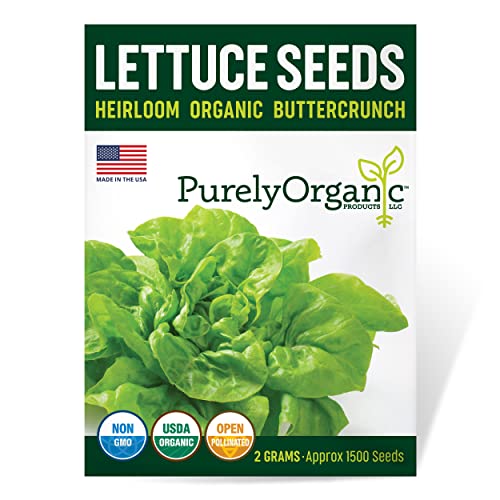
Lactuca Sativa: These finest quality, non-GMO, USDA Organic Buttercrunch Lettuce seeds produce vibrant, green heads of lettuce with mild, sweet, buttery flavored leaves. They’re the most popular of the Butterhead varieties.
Per Person Guidelines
You can determine the amount of lettuce to grow based on variety. For leaf lettuce, plant 10-15 plants per person. This type grows quickly and benefits from multiple harvests. For head lettuce, aim for 2-4 plants per person. This variety provides crisp texture and works well for salads. Adjust these amounts depending on your consumption habits and preferences.
Family Size Considerations
When growing for a family, multiply the per person guidelines by your household size. For example, a family of four might plant 40-60 leaf lettuce plants and 8-16 head lettuce plants. Consider existing preferences. If you enjoy salads consistently, lean towards the higher end of those amounts. Also, consider planting different varieties to enjoy diverse textures and flavors throughout the season.
Tips for Successful Lettuce Cultivation
Successful lettuce cultivation involves strategic choices in location, maintenance, and care. Follow these tips to enhance your growing experience.
Choosing the Right Location
Selecting an ideal location is crucial for growing healthy lettuce. Aim for a spot with full sun exposure for at least six hours daily. If you live in a warmer climate, try to provide some afternoon shade to prevent overheating.
Consider your soil drainage as well. Opt for elevated areas that won’t pool water after rain. If space is limited, containers work well, too. Just ensure they’re large enough for good root development and have drainage holes.
Maintenance and Care
Caring for your lettuce ensures a bountiful harvest. Water consistently, keeping the soil evenly moist but not soggy. Lettuce has shallow roots and benefits from frequent, shallow watering. A drip irrigation system or soaker hose can maintain moisture levels effectively.
Fertilize your plants with a balanced, slow-release fertilizer every few weeks. Look for a formulation high in nitrogen, as lettuce thrives on it. Monitor for pests; aphids and snails are common culprits. You can use neem oil or handpick pests when necessary.
Regularly harvest outer leaves for leaf lettuce to encourage new growth. For head lettuce, wait until the heads are firm before cutting them at the base. Don’t forget to provide plenty of space between plants for optimal air circulation, reducing disease risk.
Conclusion
Growing your own lettuce can be a rewarding experience that brings fresh flavors to your meals. By understanding how much to plant based on your household size and preferences you can avoid both waste and shortages.
Remember to choose a mix of leaf and head lettuce to enjoy a variety of textures and tastes throughout the season. With the right care and attention to soil and climate conditions you’ll be well on your way to a bountiful harvest.
Happy gardening and enjoy your delicious homegrown salads!
Frequently Asked Questions
How much lettuce should I grow for personal consumption?
To determine how much lettuce to grow, aim for 10-15 leaf lettuce plants per person and 2-4 head lettuce plants. Adjust these numbers based on your household size and individual preferences to avoid having too much or not enough.
What are the best lettuce varieties for home growing?
Leaf lettuce is recommended for its quick growth and multiple harvests, while head lettuce offers a crunchier texture. Consider growing a mix of both to enjoy different flavors and textures throughout the season.
What climate is best for growing lettuce?
Lettuce prefers cool, temperate climates with temperatures between 60°F and 70°F. In warmer areas, choose heat-resistant varieties like Butterhead or Romaine to prevent the plants from bolting.
What soil conditions do lettuce require?
Lettuce thrives in well-drained, rich soil with a pH between 6.0 and 7.0. Incorporating organic matter and practicing regular crop rotation can help enhance soil health and improve yields.
How can I maintain healthy lettuce plants?
To ensure healthy growth, select a sunny location with at least six hours of sunlight daily. Consistent watering, using a nitrogen-rich fertilizer, and monitoring for pests are essential care practices for maintaining lettuce health.
How do I harvest lettuce correctly?
For leaf lettuce, regularly harvest the outer leaves to encourage new growth. For head lettuce, wait until the heads are firm to the touch before harvesting to ensure the best flavor and texture.
