

Have you ever wondered how much lettuce you should use in a salad? Whether you’re prepping a healthy meal for yourself or hosting friends, getting the right amount can be tricky. Too little and your salad feels sparse; too much and it can overwhelm the other ingredients.
Key Takeaways
- Lettuce Varieties: Different types of lettuce have varying recommended serving sizes, ranging from 1 to 3 ounces depending on the variety (e.g., iceberg, romaine, butterhead, arugula, spinach).
- Nutritional Benefits: Lettuce is low in calories, high in vitamins A and K, and has a significant water content, making it a healthy choice for salads.
- Serving Size Recommendations: A standard serving is typically between 1.5 to 2 ounces, with adjustments based on salad type and personal preferences.
- Factors Affecting Quantities: The type of salad, additional ingredients, and individual dietary goals can influence the amount of lettuce to use.
- Measuring Tips: Use a kitchen scale or measuring cups for accurate lettuce measurements to achieve a balanced flavor and texture.
- Combining Ingredients: Consider texture and flavor compatibility when mixing lettuce with other salad ingredients for an optimal taste experience.
Understanding Lettuce Measurements
Understanding the right amount of lettuce in a salad involves knowing types and nutrition. This guide breaks down common varieties and their nutritional values.
Recommended Products

Contemporary Slim Design: Made of Stainless Steel Material; It is easy to use and clean; Provides accurate weight data with a user-friendly control panel and system; With high precision sensors to ensure correct performance and readouts

High Precision | Large Capacity: Letron digital food scale measures from 0.02 lb up to 33 lb, making it suitable for both small ingredients and larger containers. With 0.1 oz accuracy, it provides consistent and dependable results for baking, cooking, and everyday kitchen tasks.

The Escali Primo Digital Food Scale is multifunctional and feature an easy to use two-button operation; Sealed control panel and rounded design make this digital kitchen scale easy to keep clean and very durable
Common Varieties of Lettuce
- Iceberg Lettuce: Crisp with a mild flavor, typically used in salads for its crunchy texture. Around 1.5 ounces of shredded iceberg lettuce equates to a generous handful.
- Romaine Lettuce: Known for its long leaves and sturdy texture, romaine adds a healthy crunch. You’ll need about 2-3 ounces for a flavorful base in your salad.
- Butterhead Lettuce: Soft, tender leaves create a delicate salad. Aim for roughly 2 ounces to maintain a light consistency without overwhelming other ingredients.
- Arugula: Peppery and nutrient-dense, arugula enhances flavor profiles. Use about 1-2 ounces to add a spicy twist.
- Spinach: Slightly sweeter, spinach is a versatile green. Incorporate about 2 ounces for a nutrient boost and to balance textures.
- Low in Calories: Most lettuce varieties, like iceberg and romaine, contain about 5-10 calories per cup, allowing for generous portions without guilt.
- Vitamins and Minerals: Lettuce serves as a source of vitamins A and K, with romaine providing 82% of your daily vitamin A needs in just 1 cup.
- Hydration: With a water content around 95%, lettuce keeps salads refreshing and hydrating.
- Fiber Content: Lettuce contributes to dietary fiber intake; around 1 gram per cup aids in digestion and fullness.
- Antioxidants: Leafy greens like spinach and arugula offer antioxidants that support overall health, making these choices ideal for balanced salads.
When measuring lettuce, adjust quantities based on personal preference and salad composition for optimal flavor and nutrition.
Standard Serving Sizes
Understanding standard serving sizes helps ensure you use the right amount of lettuce for your salads. Different factors can influence these servings, including type, recipe, and personal preference.
Recommended Products

𝗘𝗳𝗳𝗼𝗿𝘁𝗹𝗲𝘀𝘀 𝗪𝗲𝗶𝗴𝗵𝗶𝗻𝗴: Supports 5 units (oz/lb:oz/fl'oz/g/mL), tare function, and includes 2 AAA batteries for hassle-free operation

Digital kitchen scale with food-safe, BPA-free plastic components

Recommended Ounces Per Serving
A standard serving of lettuce typically ranges from 1.5 to 2 ounces. For specific types of lettuce:
- Iceberg: 2 ounces provides a crisp texture.
- Romaine: 1.5 ounces offers a robust flavor and crunchy leaves.
- Butterhead: 2 ounces gives a tender bite.
- Arugula: 1 ounce features a peppery taste.
- Spinach: 2 ounces brings a mild flavor and nutrients.
Adjust these amounts based on your salad composition and desired flavor intensity. Use a kitchen scale or measuring cups for accuracy.
Factors Affecting Serving Sizes
Several factors impact the amount of lettuce you might use:
- Salad Type: Main course salads often require more lettuce than side salads due to additional ingredients.
- Ingredients: The presence of other vegetables or proteins may reduce or increase your lettuce needs.
- Personal Preferences: Your taste and dietary goals dictate how much lettuce satisfies you.
- Meal Context: Serving lettuce as an appetizer usually involves less compared to a hearty meal.
Consider these factors to create a balanced and delicious salad that meets your needs.
Practical Tips for Preparing Salads
Preparing salads can be enjoyable and rewarding. Follow these practical tips to enhance your salad-making experience.
Recommended Products

Stainless steel mezzaluna blade: Double curved rocker blade is crafted from high-quality stainless steel for precise, efficient chopping; resists rust and corrosion with regular use; sharp edge maintains performance across repeated sessions without dulling quickly
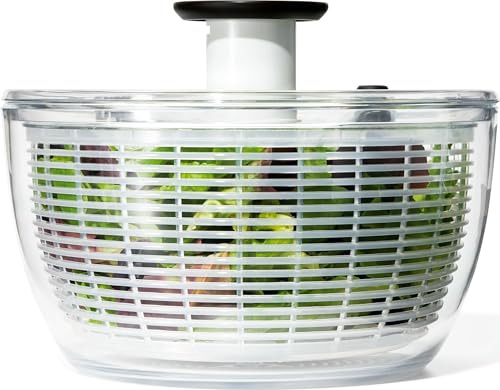
One-Touch OXO Salad Spinner: Did you know that OXO invented the one-touch salad spinner? Its one-handed pump gives you maximum drying of lettuce with minimum effort
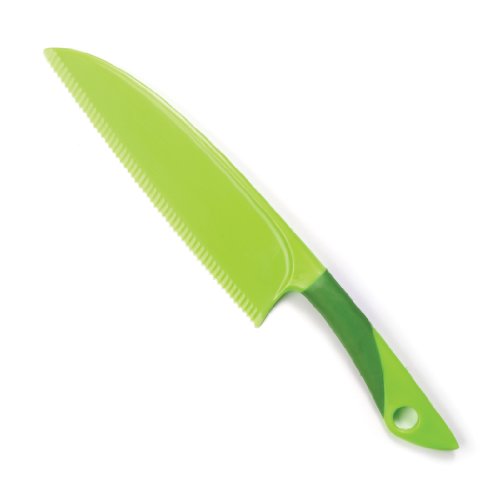
Non-slip, soft grip handle
Measuring Lettuce Accurately
Accurate measurement of lettuce ensures balanced flavor and texture. For a single serving, aim for 1.5 to 2 ounces of lettuce. Use a kitchen scale for best results. If you don’t have one, fill a measuring cup until it’s slightly heaped. For reference, three cups of loosely packed lettuce typically weigh about 3 ounces. Adjust the amount depending on other ingredients in your salad or your personal preference.
Combining Lettuce with Other Ingredients
When combining lettuce with other ingredients, consider texture and flavor compatibility. For crispness, mix romaine with crunchy veggies like cucumbers or bell peppers. For a tender bite, pair butterhead lettuce with softer components like avocados or feta cheese. Balance flavors by adding a mix of sweet, salty, and acidic elements, such as tomatoes, olives, and vinaigrette. Experiment with different ratios to find the perfect combination that suits your taste. Always toss salads gently to maintain the freshness of the greens.
Conclusion
Getting the right amount of lettuce in your salad can make all the difference. Remember to trust your taste buds and adjust the quantities to suit your personal style. Whether you prefer a light mix or a hearty base, experimenting with different lettuce types and ingredients will help you create a salad that’s just right for you.
So grab your favorite greens and start mixing. Enjoy the process and make your salads a delicious part of your meals. Happy salad making!
Frequently Asked Questions
What are the different types of lettuce mentioned in the article?
The article discusses several types of lettuce, including Iceberg, Romaine, Butterhead, Arugula, and Spinach. Each type has its unique flavor and nutritional benefits, which can enhance your salad preparations.
How much lettuce should I use in a salad?
For optimal flavor and nutrition, it’s recommended to use 1.5 to 2 ounces of lettuce per serving. Adjust the amount based on personal preference and other salad ingredients.
How can I accurately measure lettuce for my salads?
You can measure lettuce using kitchen scales or measuring cups. This ensures you use the right amount for balanced nutrition and flavor in your salads.
What are good ingredient combinations for salads?
Pair your lettuce with crunchy vegetables like cucumbers or carrots and softer components like avocados or tomatoes. Experimenting with different ratios can enhance your salad’s texture and flavor.
How can I personalize my salads?
To create personalized salads, try different lettuce types and ingredient combinations. Adjust the ratios based on your taste preferences and include various textures to elevate your dining experience.
