

Are you struggling to get your lettuce to thrive indoors or in your garden? You’re not alone. Many gardeners find that the right lighting can make all the difference in growing healthy, vibrant lettuce.
Key Takeaways
- Understand Lumens: Aim for 2,000 to 3,000 lumens per square foot for optimal lettuce growth to ensure vibrant, healthy plants.
- Choose the Right Lighting: Utilize energy-efficient LED or fluorescent grow lights to achieve the necessary lumen output and reduce heat risk.
- Monitor Additional Factors: Control light duration (12-16 hours daily), light spectrum (full-spectrum is best), and distance from light source (6-12 inches) to prevent leaf burn and enhance growth.
- Use a Light Meter: Regularly measure lumens with a light meter to maintain ideal growing conditions and make necessary adjustments based on readings.
- Indoor vs. Outdoor: Indoor growers have more control over light conditions, while outdoor growers should monitor natural sunlight and adjust for optimal exposure.
Understanding Lumens in Plant Growth
Lumens represent the total amount of visible light emitted by a source. In plant growth, the concept of lumens plays a crucial role, especially for leafy greens like lettuce.
Recommended Products

FULL SPECTRUM & NATURAL LIGHT: A19 full spectrum grow light appears 4000K white to eyes but has a red/blue light spectrum. Same as natural sun shine, perfect for tomatoes, cucumbers, peppers, leafy greens and herbs at all growth stages.
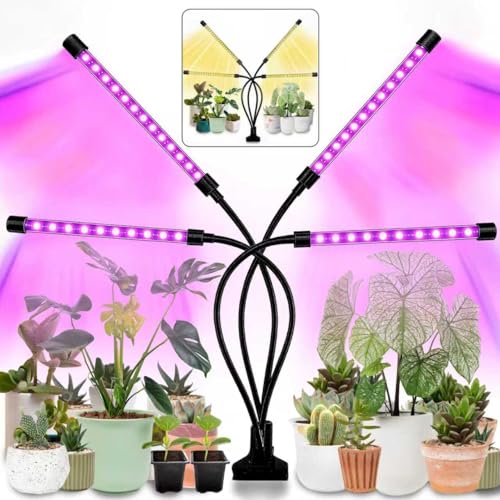
🌻Efficient LED Combination: This LED lamp has grow lights made up of 80 efficient growing LEDs ( 32 red lights, 12 blue lights,20 yellow lights and 16 white lights). It meets the conditions of plant growth without sunlight. 1--Full Spectrum(380nm-800nm): Suitable for all plants to root and sprout. 2--Red(660nm)+BLUE(460nm) Spectrum: for blooming and fruits. 3--Red+Blue+Full Spectrum: A mix of Red+Blue+Warm White is best to fuel the growth of your plants.

NOTE: The product stand needs to be pressed down by the flower pot to be stable. Not wireless style. 2 Installation Methods: Specially designed plant light for indoor plants, which can be inserted in the soil or stand for lighting.Unique and easy to assemble and disassemble.
What Are Lumens?
Lumens measure light output. One lumen equals light from a single candle captured within one square foot at one foot away. When growing plants indoors, especially lettuce, you focus on the lumen output of your light fixtures. Common light types include LED, fluorescent, and HID grow lights. Each type emits varying lumen levels, which can affect plant growth.
Why Lumens Matter for Lettuce
Lettuce thrives in bright light conditions. Optimal growth requires about 2,000 to 3,000 lumens per square foot. Insufficient light can lead to weak, leggy plants. Conversely, excessive light may cause leaf burn.
Monitor lumens when selecting grow lights. For example, if using LED lights rated at 100 lumens per watt, a 300-watt setup would provide 30,000 lumens, more than enough for several lettuce plants.
Invest in a light meter to assess output accurately. This tool helps you adjust light distances and intensities, ensuring your lettuce receives the necessary lumens for robust growth.
Ideal Light Conditions for Lettuce
Proper light conditions are crucial for growing lettuce effectively. With the correct amount of lumens and supplementary factors, you can cultivate healthy plants.
Recommended Products
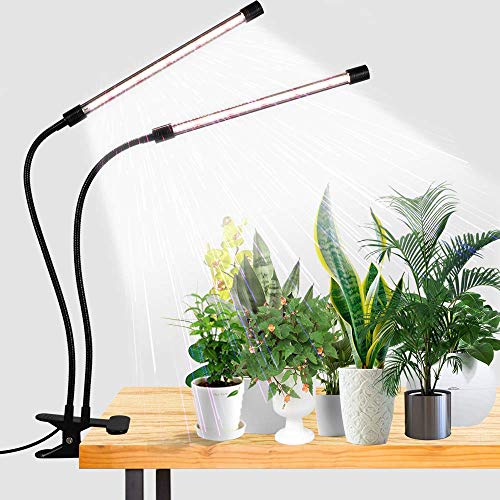
6000K White Light - equipped with 10 Red + 74 White LEDs, this growing Lamp is similar to the full-spectrum sunlight at noon,that is professionally designed for indoor garden plants.Moreover, its color rendering index is as high as 95, the light is soft and flicker-free, which is very suitable for reading lamp

4000K DAYLIGHT: Imitate the solar spectrum, customize a more ideal full life cycle full spectrum supplementary light program, covering the entire visible spectrum of 400nm-780nm; Color rendering index Ra is close to 100, infinitely close to natural light, suitable for every cycle of plant growth, effectively promotes plant growth, and improves crop yield and quality

5000K White Full Spectrum Light: Barrina T5 grow lights 1ft provide indoor plants with full-spectrum sunlight replacement. We provide the most reasonable grow light wave based on the ratio of the absorption of the plant
Recommended Lumens Range
Lettuce thrives in a range of 2,000 to 3,000 lumens per square foot. Providing this intensity ensures robust growth and vibrant color. Use grow lights like LED or fluorescent, as they deliver excellent light output. For small indoor setups, consider using light fixtures that allow for adjustments in height or brightness. This flexibility helps you maintain the ideal lumens as your lettuce matures.
Additional Lighting Factors
Along with lumens, other lighting factors contribute to successful lettuce growth.
- Light Duration: Aim for 12 to 16 hours of light daily. Longer durations promote faster growth.
- Light Spectrum: Lettuce benefits from full-spectrum light. This spectrum mimics natural sunlight, encouraging better photosynthesis.
- Distance to Light Source: Position lights about 6 to 12 inches above the plants. Too close causes leaf burn, while too far leads to insufficient light.
- Temperature Control: Monitor the temperature around your light source. Excessive heat can stress lettuce and affect growth.
- Light Cycle: Implement a consistent light cycle. Regularity helps your lettuce develop consistently and produce better yields.
By managing these additional lighting factors, you can create an optimal environment for growing lush, healthy lettuce.
Types of Grow Lights for Lettuce
Selecting the right type of grow light is crucial for optimal lettuce growth. Different options provide varying intensities and light spectrums, affecting how well your plants thrive. Here’s an overview of the most common grow lights you can use.
Recommended Products

Please note that we have a brand new upgrade.This product is compatible with Barrina GM Series Cords. If you need to connect new and old products, make sure to use the new male-female connector cables. The second generation is designed to be safer, preventing accidental electrical connections caused by human error

Unique Exterior Design: This led grow light strip 1ft made in a black casing with aluminum instead of white casing. Make it look even better and more integrated into your fine home furnishings. Dark cords instead of white so as to minimize the observance of cords running through your plant displays

Full Spectrum (Pinkish White Color) - Barrina T5 grow lights 4ft provide indoor plants with full-spectrum sunlight replacement. We provide the most reasonable grow light wave based on the ratio of the absorption of the plant
LED Grow Lights
LED grow lights are energy-efficient and long-lasting. These lights emit a full spectrum of light, making them ideal for all growth stages of lettuce. They generate less heat than other options, which reduces the risk of burning your plants. Position them 12 inches above your lettuce for best results. Look for models that offer at least 2,000 lumens per square foot to ensure healthy growth.
Fluorescent Lights
Fluorescent lights, especially T5 tubes, provide a soft, even light that suits lettuce well. These lights are cost-effective and easy to find. They work best when placed 6 to 12 inches above your plants. Ensure they provide a minimum of 2,000 lumens per square foot to support robust lettuce growth. Consider using full-spectrum bulbs to enhance photosynthesis.
HPS and MH Lights
High-Pressure Sodium (HPS) and Metal Halide (MH) lights are powerful options that produce high lumens. HPS lights emit a warm, orange light, beneficial for flowering, while MH lights provide a cooler blue light, excellent for vegetative growth. For lettuce, MH lights tend to be preferred as they offer more blue light. These lights need to be positioned farther away, around 12 to 24 inches, to prevent heat stress. Aim for at least 3,000 lumens per square foot for healthy lettuce growth.
By understanding these types of grow lights, you’ll be able to select the right one to maximize your lettuce yield.
Assessing Your Growing Environment
Understanding your growing environment is crucial for optimizing lettuce growth. Whether you’re gardening indoors or outdoors, several factors influence how much light you provide.
Indoor vs. Outdoor Growing
Indoor environments allow for controlled conditions, including lighting. Growing indoors means you choose the light sources, durations, and intensities. For indoor lettuce, aim for 2,000 to 3,000 lumens per square foot, ensuring consistent light exposure for 12 to 16 hours daily. Position grow lights 6 to 12 inches above the plants to prevent leaf burn while maximizing light exposure.
Outdoor growing relies on natural sunlight, which varies based on your location. If growing lettuce outdoors, observe sun exposure and shade patterns in your garden. Lettuce thrives under 12 to 16 hours of sunlight daily. In areas with low light, consider using reflective materials or shade cloths to enhance light distribution.
Using Light Meters
Using a light meter is essential for measuring lumens accurately. Light meters provide real-time data on your growing conditions, helping you adjust light intensity as needed. Aim for lumens between 2,000 and 3,000 per square foot for optimal lettuce growth.
- Choose a light meter: Consider models with a built-in display for ease of use. They should measure PAR (Photosynthetically Active Radiation) and total lumens.
- Measure regularly: Assess light levels at various times throughout the day. This practice helps you understand light fluctuations and adjust accordingly.
- Adjust lighting: If readings fall below the target, increase the duration of light exposure or lower the distance of your grow lights.
By assessing your growing environment through these methods, you’ll create a thriving space for your lettuce plants. Adjusting your light conditions based on accurate measurements leads to healthier and more productive growth.
Conclusion
Growing lush and healthy lettuce is all about providing the right amount of light. By ensuring you have 2,000 to 3,000 lumens per square foot and maintaining a consistent light cycle, you’ll set your plants up for success. Remember to consider the type of grow lights you use and their placement to avoid any light-related issues.
Don’t forget to monitor your growing environment closely. A light meter can be your best friend in this journey. With the right adjustments and care, you’ll enjoy a bountiful harvest of fresh lettuce in no time. Happy gardening!
Frequently Asked Questions
How much light do lettuce plants need for optimal growth?
Lettuce plants require about 12 to 16 hours of light daily. This promotes faster growth and ensures plants develop robustly. Aim for 2,000 to 3,000 lumens per square foot for healthy lettuce.
What are lumens, and why are they important for growing lettuce?
Lumens measure the total amount of visible light emitted by a source. For lettuce, having adequate lumens (2,000 to 3,000 per square foot) is essential for supporting photosynthesis and preventing weak, leggy growth.
What type of grow lights are best for lettuce cultivation?
LED grow lights are ideal due to their energy efficiency and full spectrum of light. Fluorescent T5 tubes and High-Pressure Sodium (HPS) lights are also good options, but LED lights are most recommended for all growth stages.
How far should grow lights be positioned above lettuce plants?
For LED lights, maintain a distance of 12 inches above the plants. For fluorescent lights, place them 6 to 12 inches above. This distance helps prevent leaf burn while ensuring adequate light exposure.
Can I grow lettuce indoors, and what are the key considerations?
Yes, lettuce can be grown indoors. Important factors include maintaining 2,000 to 3,000 lumens per square foot, providing 12 to 16 hours of light daily, and managing temperature near the light source to prevent stress on the plants.
What is the significance of using a light meter for growing lettuce?
A light meter helps measure lumens and Photosynthetically Active Radiation (PAR). Regular measurements allow you to assess light intensity accurately and make necessary adjustments to create the optimal growing environment for lettuce.
How can I enhance light distribution when growing lettuce outdoors?
To improve light distribution outdoors, observe sun exposure and shade patterns. Use reflective materials or shade cloths to enhance light reaching your lettuce plants, ensuring they receive adequate sunlight throughout the day.
