

Have you ever wondered how many lettuce seeds to plant in each cell of your seed tray? You’re not alone. Many gardeners face this common question as they prepare for their next crop.
Getting the right number of seeds in each cell can make a big difference in your gardening success. Too few seeds might leave you with sparse plants, while too many can lead to overcrowding and weak growth. In this article, you’ll learn the ideal number of lettuce seeds to sow per cell, along with tips to ensure healthy seedlings. With the right guidance, you’ll be well on your way to a thriving lettuce garden.
Key Takeaways
- Optimal Seed Quantity: Aim to plant 2 to 4 lettuce seeds per cell in your seed tray for balanced growth and easy thinning.
- Seed Characteristics: Lettuce seeds are small, around 1/16 to 1/8 inch, and have a germination period of 7 to 14 days under ideal conditions.
- Adjust for Variety: Different lettuce types may require adjustments in seed quantity, with leafy varieties often benefiting from more seeds per cell.
- Growing Conditions Matter: Factors like temperature, light, and soil conditions can influence seed performance, so tailor your approach accordingly.
- Germination Tips: Keep the soil consistently moist and ensure adequate light (12 to 16 hours daily) to promote healthy seedling development.
- Proper Seedling Care: Regular watering and fertilization once true leaves appear are crucial for nurturing your seedlings and preparing them for transplanting.
Understanding Lettuce Seeds
Lettuce seeds vary in size and germination rates, impacting how many seeds you should plant per cell in a seed tray.
Seed Characteristics
- Size: Lettuce seeds typically measure about 1/16 to 1/8 inch, making them relatively small.
- Germination: Lettuce seeds germinate in 7 to 14 days. The temperature influences germination; ideal conditions are between 60°F and 70°F (15°C to 21°C).
Recommended Seeds per Cell
For optimal growth, aim to plant 2 to 4 seeds per cell. This approach ensures a balance. If all seeds germinate, you can thin the seedlings later, keeping the healthiest ones.
Factors Influencing Seed Quantity
- Type of Lettuce: Different varieties, like romaine or leaf lettuce, may require adjustment in seed quantity.
- Growing Conditions: Good light, soil, and moisture can influence how crowded the seedlings become.
Germination Tips
- Moisture Control: Keep the soil consistently moist but not waterlogged.
- Light Requirement: After germination, provide plenty of light to prevent leggy seedlings.
Final Thoughts
By planting the right number of seeds per cell, you set the stage for healthy seedlings. Use these guidelines to promote strong growth and achieve a successful lettuce garden.
Ideal Growing Conditions
Creating the right environment for your lettuce seeds enhances germination and growth. Focus on ensuring optimal light and soil conditions for robust seedlings.
Recommended Products

🌻Efficient LED Combination: This LED lamp has grow lights made up of 80 efficient growing LEDs ( 32 red lights, 12 blue lights,20 yellow lights and 16 white lights). It meets the conditions of plant growth without sunlight. 1--Full Spectrum(380nm-800nm): Suitable for all plants to root and sprout. 2--Red(660nm)+BLUE(460nm) Spectrum: for blooming and fruits. 3--Red+Blue+Full Spectrum: A mix of Red+Blue+Warm White is best to fuel the growth of your plants.
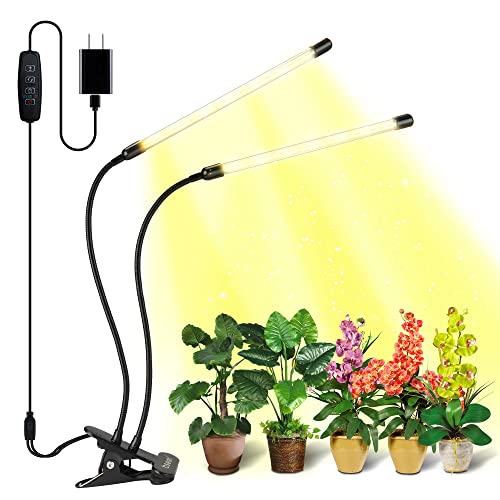
Full Spectrum LED with Yellow and White Combination: Bseah led grow light can promote photosynthesis, germination, growth, flowering and fruiting of plants.

【Upgraded Full Spectrum】Eqqiuped with 5 Red+37 Sunlight White LEDs in each bar, which is similar to the sunlight at noon to meet the needs of various plant growth processes. 6000K LED grow light with high efficiency and high PPFD, providing flicker-free and soft light.
Light Requirements
Lettuce needs plenty of light to thrive. Aim for at least 12 to 16 hours of light daily. If growing indoors, use grow lights or fluorescent lights placed a few inches above the seedlings. Ensure the light is evenly distributed to prevent leggy growth. If growing outdoors, choose a location with partial shade to protect delicate seedlings from harsh midday sun.
Soil Conditions
Use well-draining soil that retains moisture for optimal lettuce growth. A soil pH between 6.0 and 7.0 works best. You can mix compost or well-rotted manure into the soil to improve its fertility. Avoid compacted soil, as it can hinder root development. Maintain consistent moisture levels by checking the soil regularly. When the top inch feels dry, it’s time to water your seedlings.
Recommended Seed Quantity
Choosing the right number of lettuce seeds per cell is crucial for strong plant growth. Aim for 2 to 4 seeds per cell to foster balanced development and allow for easy thinning.
Recommended Products

Upgraded Flexible Cells: Upgraded Silicone Seed Starter Tray with 12 flexible pop-out cells per tray. The soft silicone cells keep seedlings well protected and can be gently bent and popped out when it's time to transplant to your outdoor garden! Our seed starting trays are specifically designed to reduce stress on seedlings, so you won't damage their roots when transplanting

EASIER SEED STARTING: Our Burpee SuperSeed tray with 36 flexible pop-out cells is designed to simplify indoor seed starting for all your favorite vegetables, flowers and herbs. Just add seed starting mix, seeds, water and light to get growing! Rows are labeled alphanumerically for seedling identification with included Plant-o-Gram diagram. Tray dimensions: 11.5" x 10-3/8" x 2-1/4"

Optimal Root Growth: 1.5" square by 2.25" deep cells ensure seedlings develop healthy, robust roots, setting a strong foundation for growth.
How Many Lettuce Seeds Per Cell
For optimal growth, plant 2 to 4 seeds in each cell of the seed tray. This range encourages healthy germination and reduces competition among seedlings. If multiple seeds sprout, you can thin them out later, ensuring only the strongest seedlings remain. Remember, too many seeds in a single cell can lead to overcrowding, stunted growth, and increased susceptibility to disease.
Factors Affecting Seed Quantity
Several factors influence how many seeds you should plant per cell:
- Lettuce Variety: Different types, such as leaf, romaine, or butterhead, may require different seed quantities. Leafy varieties often benefit from more seeds per cell.
- Growing Conditions: Indoor or outdoor growing conditions affect seed performance. More seeds may be necessary in less-than-ideal situations to guarantee strong germination rates.
- Cell Size: Larger cells can accommodate more seeds. Use your judgment based on the cell dimensions and how much space you expect the seedlings to need.
- Temperature and Light: Seeds thrive with adequate warmth and light. If conditions aren’t optimal, consider starting with extra seeds to increase the chances of successful germination.
Taking these factors into account helps you determine the best seed quantity for your specific gardening conditions, leading to a more productive lettuce garden.
Seedling Care
Caring for your lettuce seedlings is crucial for healthy growth. Proper attention ensures strong plants ready for transplanting.
Recommended Products

EASIER SEED STARTING: Our Burpee SuperSeed tray with 8 extra-large flexible pop-out cells is designed to simplify indoor seed starting. Just add seed starting mix, seeds, water and light to get growing! Perfectly sized for starting seeds in the windowsill: 11.5" x 5-3/16" x 2-1/4". Rows are labeled alphanumerically for seedling identification with included Plant-o-Gram diagram.

Indoor Garden Seed Starter Trays – Kimdozee seedling trays feature 120 cells (1.97" x 1.97" x 1.97"), perfectly sized for starting herbs, vegetables, flowers, succulents, and microgreens.
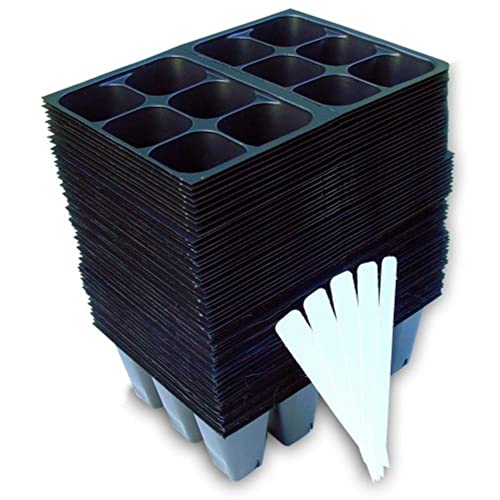
Drainage Holes: Each cell has drain holes at the bottom for proper water drainage.
Watering Practices
Water your seedlings regularly to maintain consistent moisture, but avoid overwatering. Use a spray bottle or a gentle watering can to prevent displacing the seeds. Check the soil daily; it should feel damp but not soggy. If you notice the tops of the leaves wilting, it’s time to water. Aim for approximately 1 inch of water per week, adjusting based on temperature and humidity levels.
Fertilization Tips
Fertilize your seedlings with a balanced fertilizer once they develop their first true leaves. Use a diluted liquid fertilizer, applying it at half strength to prevent burning young roots. Apply fertilizer every two weeks to provide essential nutrients, ensuring steady growth. When seedlings reach 3-4 inches in height, consider switching to a higher nitrogen formula to support lush foliage before transplanting.
Conclusion
Getting the right number of lettuce seeds per cell is a simple yet vital step in your gardening journey. By planting 2 to 4 seeds per cell you set the stage for healthy seedlings that thrive. Remember to pay attention to the specific needs of your lettuce variety and the conditions in your garden.
With a bit of care and the right watering and fertilization techniques your seedlings will grow strong and ready for transplanting. Enjoy the process and watch your garden flourish with delicious lettuce in no time!
Frequently Asked Questions
How many lettuce seeds should I plant per cell?
It’s best to plant 2 to 4 lettuce seeds per cell in your seed tray. This range ensures good germination while reducing the risk of overcrowding.
What factors affect the number of seeds per cell?
Factors include lettuce variety, growing conditions, cell size, temperature, and light availability. These elements help determine the ideal seed quantity for successful growth.
How do I water my lettuce seedlings?
Water seedlings consistently while avoiding overwatering. Maintain moisture levels by checking the soil’s dampness and letting it dry slightly between waterings.
When should I fertilize my lettuce plants?
Fertilize lettuce seedlings with a balanced fertilizer once they develop their first true leaves, then continue every two weeks for optimal growth.
How can I prepare lettuce for transplanting?
Before transplanting, adjust watering and transition to a higher nitrogen formula to promote lush foliage. This prepares your plants for a successful move to the garden.
